


When Does Chronic Kidney Disease Require Dialysis? Signs and Treatment Options
VMPL
New Delhi [India], October 30: For most people who undergo a CKD diagnosis, dialysis is not the immediate next step. The condition develops over years in most cases, passing through stages where the kidneys are still doing their job to keep life close to normal, with adjustments in diet, medication, and monitoring. Patients often ask about dialysis early in their diagnosis due to its significant impact on daily life. Yet, the timing for starting treatment varies greatly and is tailored to each individual's symptoms and lab results.
There is no single number, no universal threshold at which the decision is made. It depends on how the kidneys are functioning, how quickly that function is declining, symptoms the patient is experiencing, and other clinical factors that only make sense in the context of the individual patient's full picture.
How CKD Stages Shape the Treatment Path
Kidney function is measured through the estimated glomerular filtration rate, which reflects how effectively the kidneys are filtering waste from the blood. The five-stage classification built around this number gives nephrologists and patients a framework for understanding where things stand and what to expect next.
In the earlier stages, the kidneys are still managing most of their responsibilities. Treatment at this point focuses on slowing the rate of decline, controlling blood pressure, managing blood sugar in diabetic patients, and reducing protein in the urine. The kidneys may be impaired, but they are not failing in a way that requires external support yet.
Stage four is where preparation conversations typically begin. Not because dialysis is needed at that point for most patients, but because the practical steps involved in starting dialysis safely takes time. An arteriovenous fistula, the surgically created connection between an artery and a vein in the forearm that haemodialysis depends on, needs to be created weeks or months before it is used so it has time to mature properly. Peritoneal dialysis requires training. Starting these preparations before kidney function reaches a critical point means the patient arrives at dialysis on their own terms rather than in a crisis.
Stage five is where most patients begin treatment. At this point, the kidneys are functioning at a very low level, and the waste products, fluid, and electrolytes that would normally be regulated begin to accumulate in ways the body cannot compensate for.
Symptoms That Suggest Kidney Function Is Falling
The symptoms that develop as CKD progresses are the body's response to what the kidneys are no longer clearing. Fatigue is among the most consistent, driven partly by anemia that develops as kidney function drops and partly by the effect of accumulated waste in the bloodstream. Swelling in the legs and ankles reflects the kidney's reduced ability to manage fluid. A reduction in urine output, nausea, loss of appetite, itching, and difficulty concentrating are all things that can appear as function falls further.
What makes symptoms an unreliable sole guide to timing is that patients vary enormously in how they feel at similar filtration rates. Some people are significantly unwell at levels that others tolerate without major disruption to daily life. Blood tests and their trajectory over time are what actually guide the decision, which is why regular monitoring matters so much in the later stages. A patient who has been attending regular nephrology appointments and having consistent blood work done is in a far better position to make a planned, informed decision about starting treatment than one who has not been followed closely.
When the Decision Gets Made
The decision to begin chronic kidney disease dialysis is a conversation between the patient and their nephrologist, shaped by laboratory values, symptoms, the rate at which function has been declining, and the patient's overall clinical situation. A filtration rate that has been stable for a year carries a different urgency than one that has dropped significantly over the previous few months, even if the two numbers are close to each other.
In some cases, patients arrive at dialysis as an emergency, with severe fluid overload or dangerously elevated potassium levels that require urgent treatment. This is the outcome that early preparation is designed to avoid. Patients who have been monitored closely through stage four and into stage five are much more likely to start treatment in a controlled, planned way.
NephroPlus supports patients through this transition across its network of centres in India, with care that covers the clinical alongside the practical and nutritional aspects of starting and continuing dialysis, so patients are not navigating the process without guidance.
The Two Main Types of Dialysis
Haemodialysis and peritoneal dialysis both perform the same core function: removing the waste products, excess fluid, and electrolytes that the kidneys are no longer clearing. They do it differently, and the right choice depends on the individual patient's medical situation, home environment, lifestyle, and preferences.
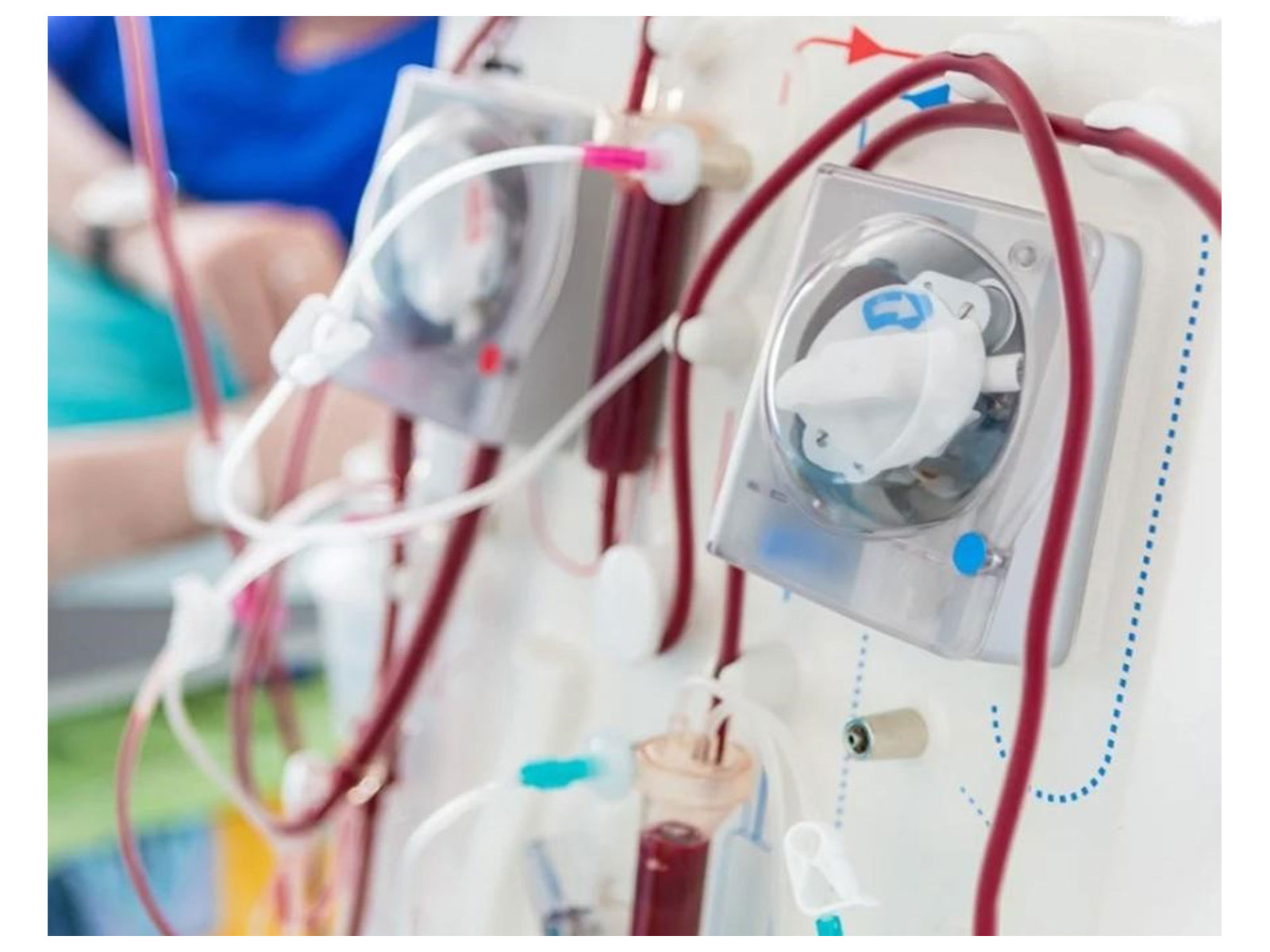
Haemodialysis passes blood through a dialysis machine that filters it before returning it to the body. It is typically done three times a week, with sessions lasting around three to four hours, either at a centre or at home with appropriate training. The arteriovenous fistula is the standard access point, and its creation is one of the preparations that needs to happen before dialysis begins rather than at the same time.
Peritoneal dialysis works through the lining of the abdomen, which acts as a natural filter. A dialysis solution introduced through a catheter draws waste products from the blood across that membrane and is then drained and replaced. Because it can be performed at home and on a more flexible schedule, it suits patients who want to maintain a working routine or who live far from a dialysis centre.
Neither option is universally better. The choice is made based on what fits the individual patient and what they can sustain over time, since dialysis is a long-term treatment rather than a short-term intervention.
What Life on Dialysis Actually Involves
The adjustment to dialysis is both clinical and practical. Dietary restrictions continue on dialysis, though the specific guidelines shift from those that applied during earlier CKD stages. Fluid intake is managed carefully, particularly for haemodialysis patients, because the amount that can be safely removed in a session has real limits. The fatigue that many patients experience after sessions is real, and it takes time to understand how to pace daily life around treatment days.
Travel, work, and social activity are all possible on dialysis, though each requires a level of planning that patients without the treatment do not need to think about. Patients who engage actively with their care team, follow dietary and fluid guidance consistently, and manage their broader health conditions well tend to have noticeably better outcomes and quality of life than those who do not.
The earlier the preparation for dialysis begins, the more options remain open when the time comes. That is the practical case for staying closely connected with a nephrologist through the later stages of CKD, even when the patient feels relatively well.
(ADVERTORIAL DISCLAIMER: The above press release has been provided by VMPL. ANI will not be responsible in any way for the content of the same.)
