
US keeps Iran talks open, gives no deadline
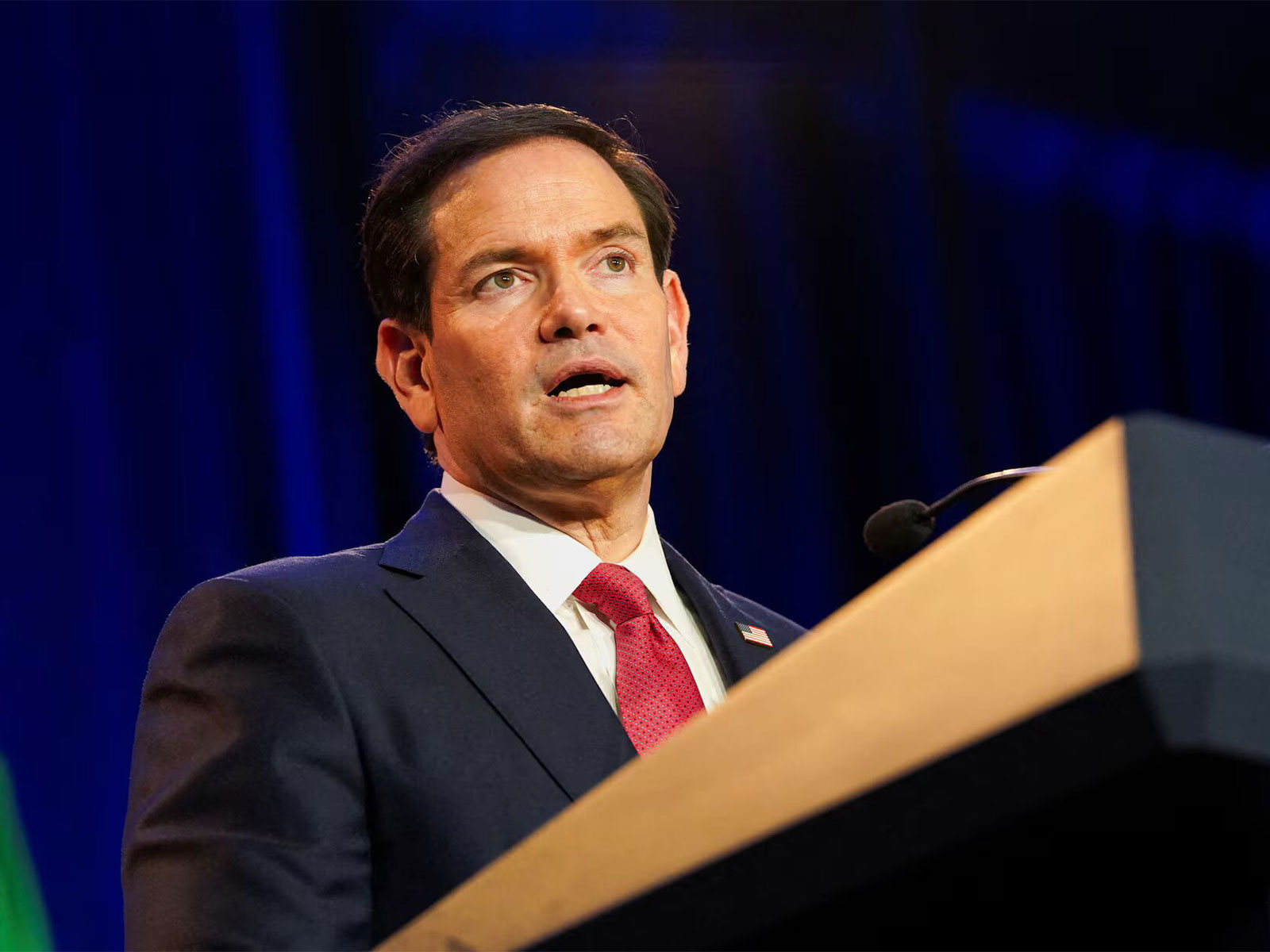
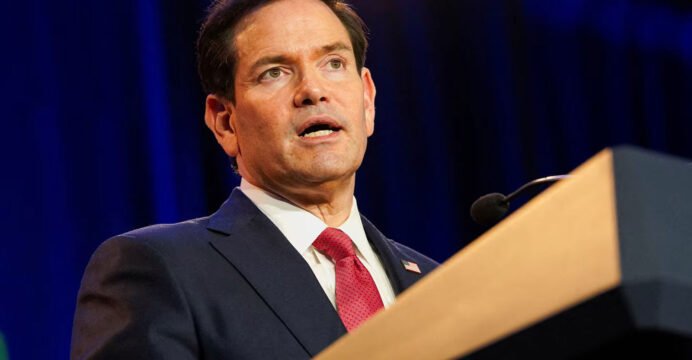
Atlanta [US], November 1 (ANI): US Secretary of State Marco Rubio revealed that diplomatic talks involving Iran have continued without interruption, although he declined to provide a deadline or assess their progress, while noting that President Donald Trump had not yet taken a decision on further military action.
Addressing reporters at the conclusion of the G20 Foreign Ministers’ Meeting in Georgia, Rubio affirmed that Washington remained open to a diplomatic solution capable of addressing its fundamental security concerns. He criticised Tehran over alleged maritime aggression threatening commercial vessels and its support for regional armed groups accused of destabilising the wider Middle East.
“There are multiple talks; talks have actually never stopped. There's been active conversations going both in some cases directly, but often through intermediaries,” Rubio stated.
The top American diplomat was responding to questions about how much time Washington intended to allow diplomatic efforts before potentially resuming military operations. He emphasised that decisions on timing rested solely with the President and declined to assess whether a final agreement was close.
“I'm not gonna characterise either the progress on those talks or any timeframe on it other than to tell you that if there is a diplomatic solution, we would be open to it,” he remarked.
Rubio underscored that any settlement must safeguard US national security interests and address the concerns that had triggered the ongoing crisis. He identified Iran's nuclear ambitions and its support for regional armed groups as primary issues.
Asked separately about the possibility of fresh strikes, the Secretary declined to discuss specific military contingency plans. He reiterated that while the Commander-in-Chief favoured a peaceful resolution, the administration remained confident in its military capabilities.
“We can achieve military objectives if we seek to. He hasn't made a decision,” Rubio observed.
The remarks highlighted Washington's approach of maintaining diplomatic engagement while criticising Iran's conduct at sea. Rubio accused Tehran of deliberately targeting commercial vessels carrying cargo, oil and natural gas, thereby threatening economies beyond the immediate conflict zone.
He reported that American naval forces were intercepting incoming drones and anti-ship missiles almost every night. However, he noted that petroleum transit volumes remained comparable to pre-conflict levels despite the continuing need for security protection.
Furthermore, Rubio warned that disruptions to maritime trade posed serious threats to global food security, cautioning that interruptions to supplies of fuel, agricultural inputs and food commodities could have far-reaching consequences.
He acknowledged that G20 participants shared concerns over these commercial threats, although consensus remained elusive on collective action.
Turning to regional geopolitics, Rubio accused Tehran of supporting armed groups across the region, specifically Hezbollah in Lebanon, the Houthis and various militias challenging the Iraqi state. He described these activities as security threats alongside Iran's nuclear ambitions.
“So anywhere you turn, what you find is some Iranian proxy that's undermining the peace and stability of the Middle East,” he emphasised.
Regarding bilateral ties with Riyadh, Rubio pledged that Washington would continue to honour its defence commitments, particularly those involving defensive military assistance. He also noted ongoing high-level communications involving the White House and Saudi leadership.
He reiterated that decisions concerning future military operations rested entirely with the President, while welcoming other countries' participation in defending regional allies against potential attacks. (ANI)
