

US bases in Gulf become Achilles heel as Iran inflicts ‘unprecedented damage’: Report
Washington DC [US], May 2 (ANI): Iran has inflicted unprecedented damage to US bases in various countries of the Gulf region, an investigative report by CNN revealed.
In Camp Buehring, Kuwait, where American soldiers had one of the biggest US military hubs in the Gulf, the once-bustling American micro-city in the desert is nearly empty and heavily damaged after a weeks-long barrage of Iranian missiles and drones, CNN reported.
Kuwait was one of many US military facilities in the oil-rich Arabian Peninsula targeted by Iran, even as the US and Israel attacked Iran's defence capabilities. A CNN investigation found evidence of unprecedented destruction.
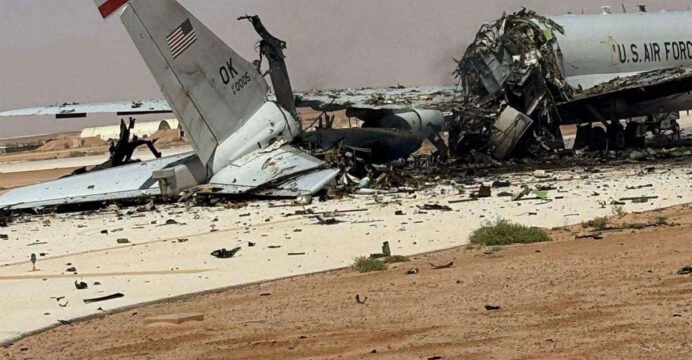
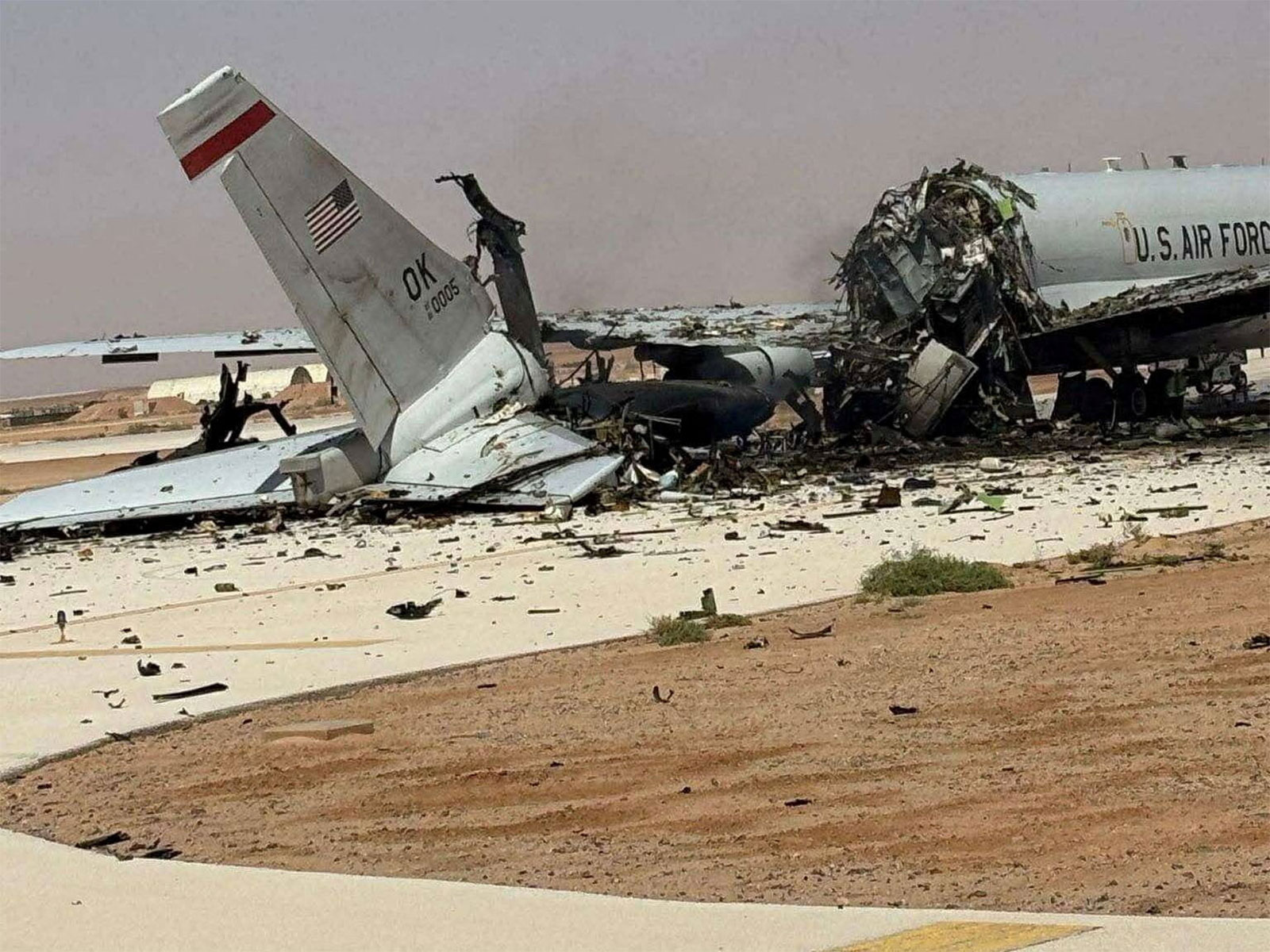
Iran's strikes damaged at least 16 US installations across eight countries. According to CNN, that is the majority of American military positions in the region, and some of them are virtually unusable now.
A US source familiar with the situation told CNN that they had never seen anything like this at American bases--that these were rapid, targeted strikes using advanced technology. Iran's main targets included multi-million dollar aircraft like the Boeing E3 Sentry, which gave the US a huge amount of visibility over the Gulf, which is out of production and is worth nearly USD 500 million.
Iran also targeted critical communications equipment, specifically the giant "golf balls" known as radomes, which protect satellite dishes vital for data transmission. In this space alone, Iran destroyed all but one of the radomes less than a month into the war. Crucially, they hit radar systems--highly sophisticated, expensive, difficult to replace, and critical to air defence. A second US source, a congressional aide familiar with damage assessments, described these as the most cost-effective of the targets. "Our radar systems," they said, "are our most extensive and our most limited resource in the region."
For US allies in the region, there is a dilemma. In some ways, Iran's show of force makes the US presence in the region even more necessary to Gulf security. But there is a new reality here: US military installations, previously seen as formidable fortresses, have turned into sitting targets. As a Saudi source told CNN, "The war has shown Saudi Arabia--the U.S.'s longest-standing Arab ally--that the alliance with the U.S. cannot be exclusive and it is not, impregnable."
To get a sense of just how vulnerable US facilities have become, the war room at Qatar's Al-Udeid airbase, the theater command and control hub for US air power across 21 nations was struck not just once, but twice, causing significant damage. The base had been largely evacuated at this point and no casualties were reported, but Iran's visibility over its targets has never been clearer.
In 2024, according to the Financial Times, Tehran secretly acquired a Chinese satellite known as the TEE-01B, a massive upgrade from its own satellites. That means that Tehran went from looking at low-quality images to high-resolution
imagery almost as detailed as America's own. This is the first time America has fought an adversary with satellites that capture such detail.
Responding to CNN, a Pentagon official said that the Defense Department does not discuss damage assessments, but that US forces remain fully operational with the same readiness and combat effectiveness. The vast majority of US troops evacuated their positions in the Middle East, with many working from the relative safety of hotels and apartments in the Arabian Peninsula. (ANI)
