


Telangana DCA raids 43 medical shops over illegal sale of weight-loss drugs
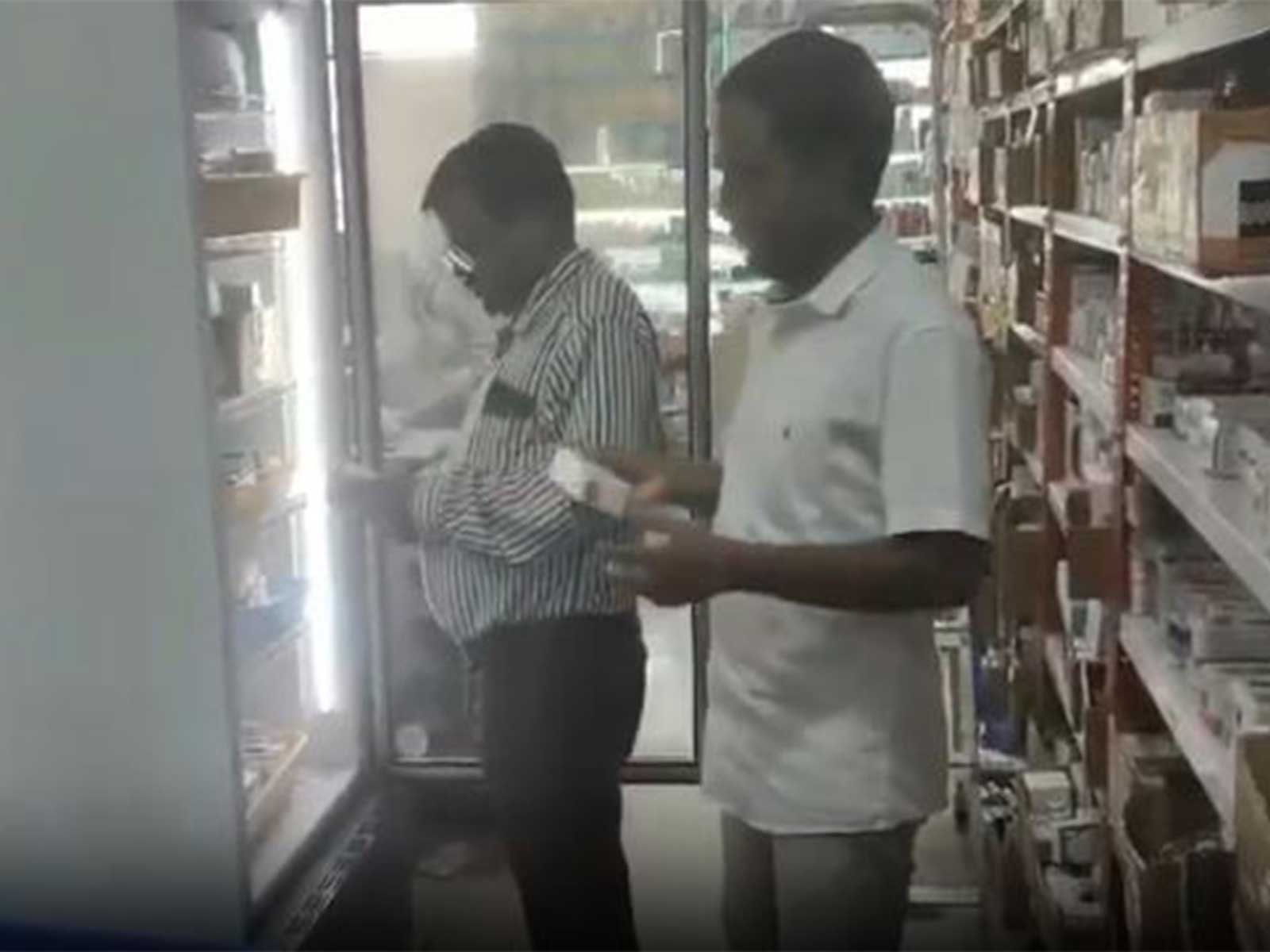
Hyderabad (Telangana) [India], August 15 (ANI): The Drugs Control Administration (DCA), Telangana, conducted a special enforcement drive across the state and raided 43 medical shops over alleged violations in the sale of prescription weight-loss drugs, amid increasing demand for medicines containing Tirzepatide and Semaglutide.
The special drive was conducted on August 14, 2026, with DCA officials specifically checking the sale and distribution of medicines containing Tirzepatide, including Mounjaro, and Semaglutide, including Ozempic, Wegovy and Rybelsus, along with generic versions of Semaglutide that have entered the market.
Officials also focused on multi-dose vials and pre-filled pens containing Semaglutide and inspected establishments to identify possible spurious or counterfeit batches and violations of drug-sale regulations.
During the inspections, officials detected discrepancies and non-compliance at 43 medical shops across Telangana.
According to the DCA, the violations included the sale of prescription weight-loss medicines without prescriptions from specialists, dispensing medicines without issuing bills and failure to maintain mandatory sales and purchase records.
Officials also found instances of non-maintenance of prescription drug registers and dispensing of medicines in the absence of a Registered Pharmacist.
Other irregularities under the Drugs and Cosmetics Rules were also detected during the enforcement operation.
The DCA has issued show-cause notices to all 43 medical shops found violating the prescribed norms. The department said appropriate regulatory action would be taken under the provisions of the Drugs and Cosmetics Act, 1940, and the rules framed under it.
The enforcement action comes amid growing demand for injectable and oral medicines used for weight management and diabetes treatment. The increasing popularity of such medicines has also raised concerns over their availability through unauthorised channels and the possibility of counterfeit or substandard products entering the supply chain.
The Telangana DCA has consequently advised members of the public to exercise caution while purchasing or using weight-loss medicines.
The department has specifically advised people not to self-medicate with prescription weight-loss drugs and to use them only under the supervision of qualified specialists.
According to the advisory, such medicines should be taken only on the prescription of appropriate specialists, including Endocrinologists and Internal Medicine Specialists, and in certain cases, Cardiologists.
The DCA has also urged consumers to purchase medicines only from licensed medical shops and to ensure that they have a valid prescription wherever required.
The department cautioned people against purchasing weight-loss medicines from online platforms or unauthorised sellers, warning that products obtained through such channels could potentially be spurious, substandard or unsafe.
The enforcement drive also highlights the importance of maintaining proper records for prescription medicines. Bills, purchase records and prescription registers enable drug-control authorities to track the movement of medicines through the legitimate supply chain and identify irregularities.
Officials said the special operation was undertaken in view of the rising public demand for weight-loss medicines and concerns that the growing market could create opportunities for illegal sale and circulation of counterfeit products.
The DCA's action against the 43 medical shops is expected to be followed by scrutiny of their responses to the show-cause notices before further regulatory action is determined.
The department has reiterated that consumers should consult qualified medical professionals before using prescription medicines for weight management and should avoid purchasing such products from unverified sources.
The Telangana DCA's latest operation forms part of its enforcement efforts to ensure compliance with drug-sale regulations and protect consumers from unauthorised, spurious and potentially unsafe medicines. (ANI)
