


SEBI to soon issue AI/ML guidelines for capital markets, mandate human oversight, kill-switch controls: Chairman Pandey
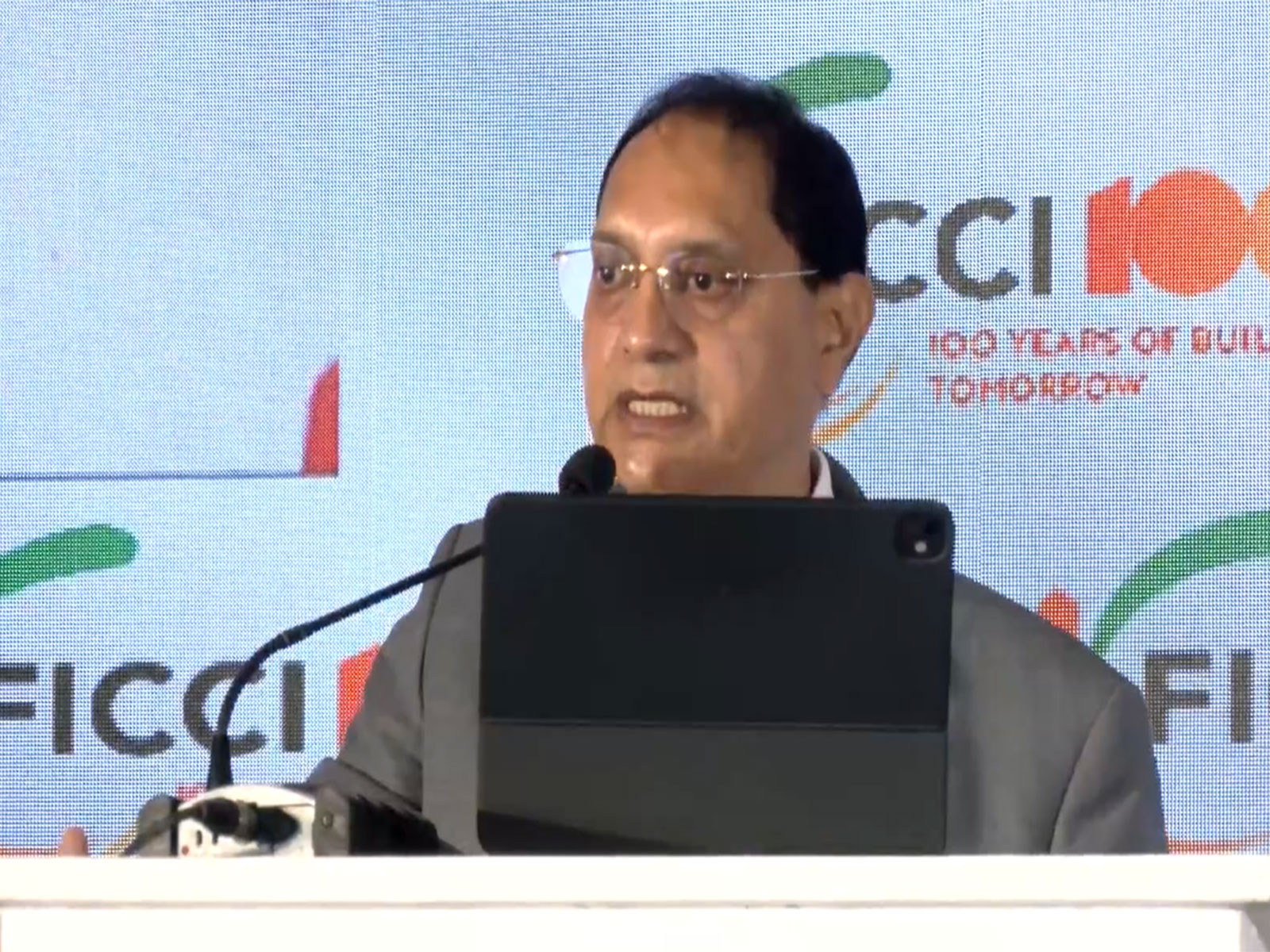
Mumbai (Maharashtra) [India], August 19 (ANI): The Securities and Exchange Board of India (SEBI) will shortly issue guidelines for the responsible use of artificial intelligence and machine learning in India's capital markets, with the framework set to require human oversight, data controls and "kill-switch" mechanisms, SEBI Chairman Tuhin Kanta Pandey said on Wednesday.
The proposed rules come as India's capital markets have expanded sharply, with equity issuances crossing Rs 4.5 lakh crore in FY25-26, including around Rs 1.9 lakh crore raised through 366 initial public offerings (IPOs), Pandey said.
Speaking at the 23rd FICCI Capital Markets Conference 2026 in Mumbai, Pandey said the framework would take a tiered approach, with clear accountability and governance controls for the use of AI and machine learning.
"We will shortly be issuing guidelines for responsible use of AI/ML in our markets," Pandey said. The framework will require "kill-switch and humans-in-the-loop controls along with data controls", he added.
Pandey said AI could strengthen market surveillance, risk assessment, fraud detection and investor servicing, but also creates risks around opacity, bias, cybersecurity, data protection and accountability.
"The question is not whether markets will use AI, the question is how we use it responsibly while preserving trust," he said.
The scale of India's capital markets has expanded beyond equity issuance, with corporate bond issuances exceeding Rs 9 lakh crore in FY26, while Rs 2.7 lakh crore had already been raised in the first four months of the current financial year, Pandey said.
Alternative Investment Fund (AIF) investments had risen to around Rs 7 lakh crore by end-July 2026, while market capitalisation stood at around 132 per cent of GDP. The country also had around 14.9 crore unique investors, he said.
Household participation has also increased, with mutual fund assets at around Rs 86 lakh crore, while systematic investment plan (SIP) assets accounted for more than one-fifth of industry assets.
Pandey said the next phase should focus not merely on scale but on deeper financialisation, wider participation and new investment frontiers. India would need capital for infrastructure, technology, advanced manufacturing, energy transition, data centres and new-age enterprises, particularly in AI.
SEBI is also considering wider investment channels, including allowing client funds under the proposed Portfolio Managers framework to invest in foreign securities and a framework to support global fund management activity from India.
The regulator is reviewing the securities lending and borrowing and short-selling frameworks to deepen cash markets, while proposals for debt markets include ESG debt and exploration of corporate bond tokenisation.
Pandey said SEBI's approach would be to "simplify where we can", calibrate regulation to risk and sophistication, enable capital formation and keep safeguards strong.
India's capital markets are entering a new phase, he said, where AI, financialisation and new investment frontiers can together connect capital with new businesses, assets and opportunities. (ANI)
