

India’s copyright framework not yet adequate for evolving AI, fresher legal framework needed, says FICCI official
New Delhi [India], August 10 (ANI): India's copyright framework is not yet equipped to address rapidly evolving artificial intelligence technologies; there is a need for a fresh legal framework as AI advances faster than the existing legal system, said Monica Malhotra Kandhari, Chair of the FICCI Publishing Committee and Managing Director of MBD Group, on Monday.
"India's copyright framework is not yet adequate for rapidly evolving AI technologies," Kandhari told ANI on the sidelines of PubliCon 2026 on "Copyright, Research Integrity and Publishing in the AI Era," organised by FICCI in the national capital.
She said the pace at which AI technologies are developing has created a need to reassess the existing legal framework governing copyright and content creation, as the technology is advancing faster than the legal system.
"A fresher legal framework is required as AI is moving faster than the existing legal system," she said.
Kandhari's remarks come amid growing discussions around the use of artificial intelligence in content creation, publishing and translation, with questions around copyright protection, originality, attribution and the responsibilities of users and creators gaining importance.
According to her, AI adoption should not come at the cost of originality and users and creators must take responsibility for how AI-generated content is used.
"Originality should not be compromised while using AI to create content," Kandhari said.
Kandhari also called for a safer AI framework that brings together the government, publishers, policymakers and technology companies. Such an approach, she said, would help address emerging concerns around the responsible use of AI while allowing the technology to develop.
"A safer AI framework is needed, involving government, publishers, policymakers and technology companies," Kandhari said.
On AI-assisted translation, she said the technology can be effective, but human intervention remains necessary to ensure that translated content retains accuracy, context and emotion.
Kandhari further emphasised the importance of protecting copyrighted works used in the development and training of AI systems. "AI training must respect copyright, with proper permission, licensing and acknowledgement for original works," she said.
She stressed the need for a framework that can keep pace with technological change while safeguarding the rights and interests of creators and original content owners.
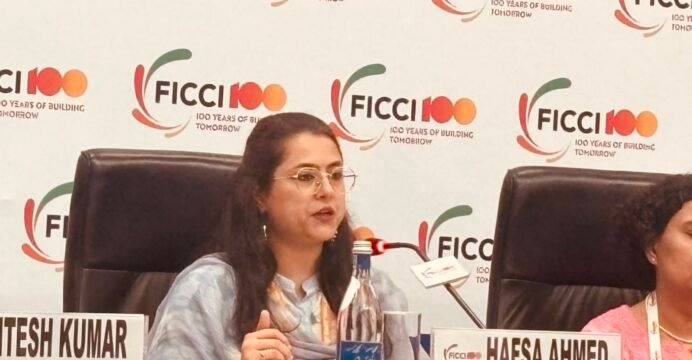
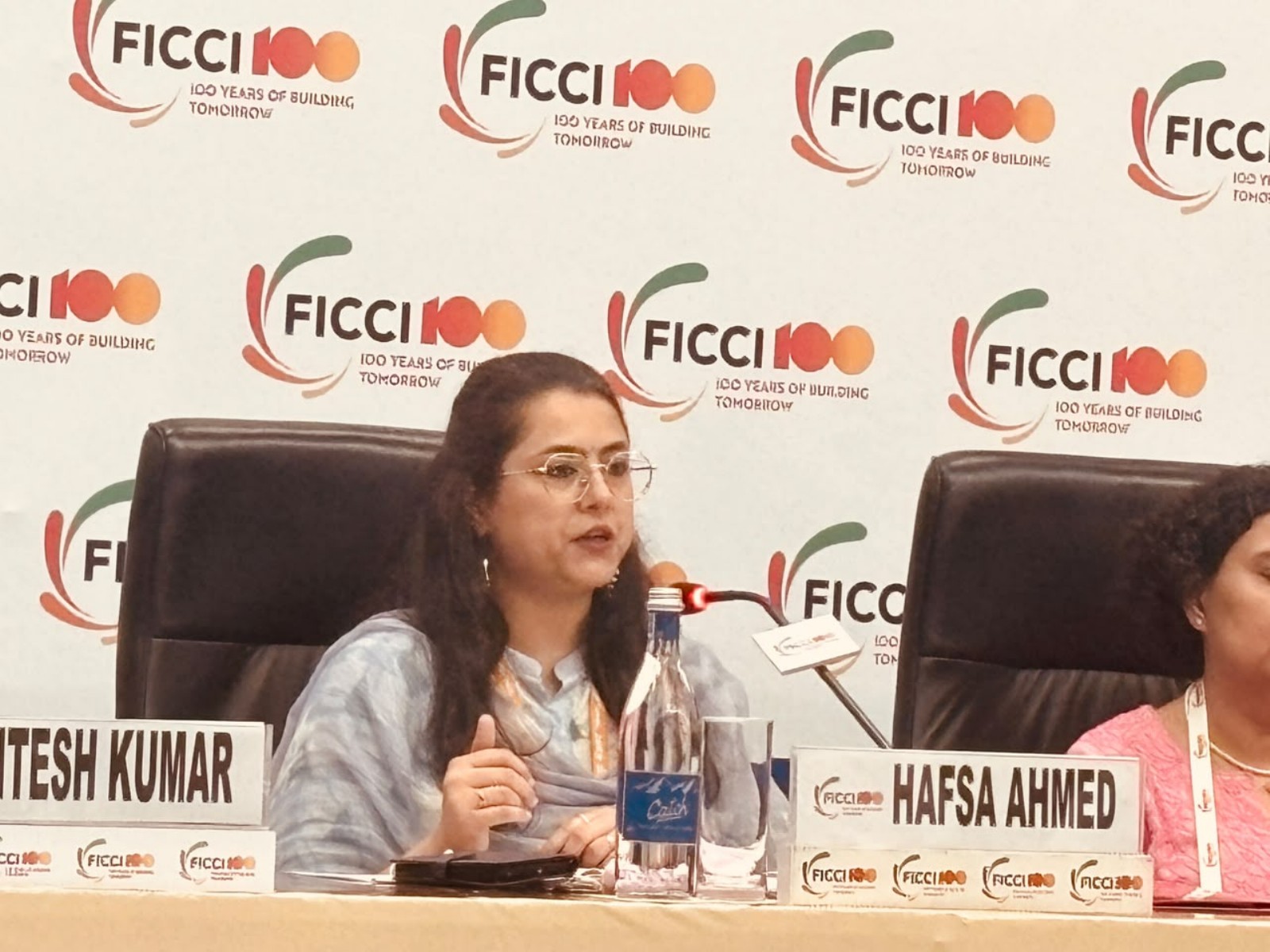
Hafsa Ahmad, Scientist D, Office of the Principal Scientific Adviser (PSA), Government of India, said, "We need to come up with something very concrete for research integrity. And it has to be institutionalised so that the grassroots level implementation is possible."
Ahmad further noted that AI's use in scholarly publishing is inevitable and stakeholders need to understand what is acceptable and what is not.
"We'll have to admit that this is an age and era where the use of AI is inevitable. But we need to understand what is acceptable and what is not," she said. (ANI)
