

“India’s approach is different”: Piyush Goyal on developing indigenous tunnel boring machines
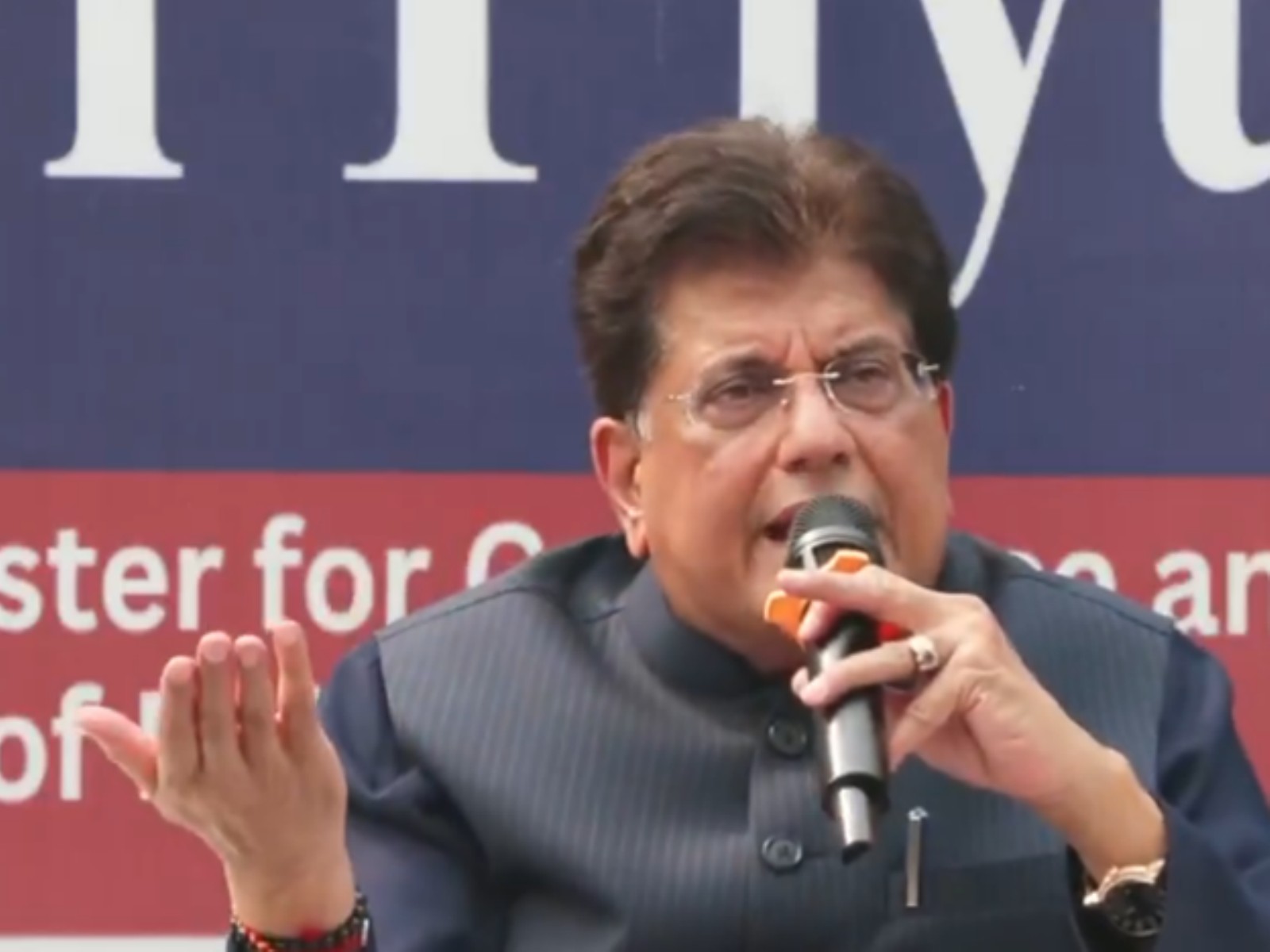
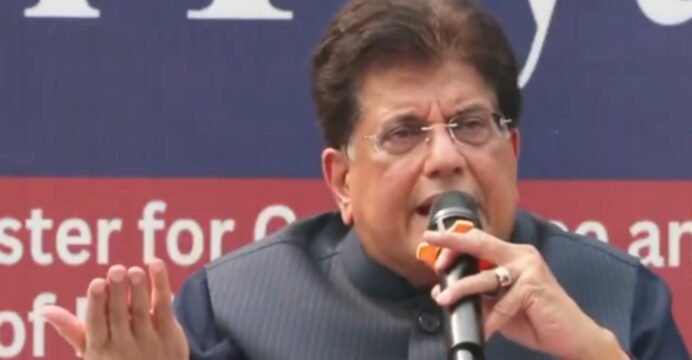
New Delhi [India], November 3 (ANI): Union Minister Piyush Goyal on Tuesday said India would develop its own tunnel boring machines if foreign suppliers refused to provide them, emphasising the country's approach towards strengthening indigenous manufacturing capabilities and reducing dependence on other countries.
Addressing the Young Leaders Discourse Forum at Kirori Mal College in Delhi, Goyal highlighted India's efforts to develop domestic technologies and promote innovation, particularly in critical sectors involving tunnel boring machines and rare earth elements.
"Regarding tunnel boring machines. India’s approach is different. Many other countries might bow down and enter into agreements. We do not wish to spoil relations with anyone; even today, our relations with China remain good. But if they refuse to provide tunnel boring machines, we will develop them ourselves in India. When they restricted rare earths, we did not go around begging. We held a meeting with various startups in this field. Can we not build our own motors without relying on rare earths? After all, rare earths didn't always exist. Some startups in India have begun innovating and have started producing motors without rare earths that offer equal quality and efficiency," he said.
The Union Minister said India was focusing on developing alternatives to imported technologies and strengthening its domestic manufacturing ecosystem rather than depending on external suppliers for critical equipment and materials.
He also highlighted the role of Indian startups in developing motors that do not rely on rare earth elements, stating that some domestic companies had already begun producing such motors with comparable quality and efficiency.
Goyal further said that India's approach to international trade agreements was guided by the need to expand market access for domestic industries while safeguarding sensitive sectors and protecting the interests of farmers, fishermen and micro, small and medium enterprises (MSMEs).
He outlined India's export-oriented sectors, including textiles, processed food, marine products, footwear, leather, gems and jewellery, and pharmaceuticals, as areas where the country seeks preferential market access.
The Union Minister said, "I think in the trade agreements we have two critical ways of negotiation. One is our offensive sectors, where there are a lot of opportunities. These would be things like textiles. It'll be processed foods, our fish, marine products. We are very good at footwear and leather products; we are masters in gems and jewellery. We are called the pharmacy of the world for our strength in pharmaceuticals. So these are all our offensive interests, where we work to get preferential market access.”
Goyal also emphasised that India remains cautious about opening certain sectors, particularly agriculture and dairy, to foreign competition and maintains safeguards against genetically modified (GM) products, keeping domestic and religious sensitivities in mind.
"We are very sensitive to opening up to certain agricultural produce, our dairy. We are very sensitive about not allowing any GM products to come to India. We are sensitive to our religious sensitivities. We have a list of sensitive items, and I can say with confidence that India has never compromised on a single sensitive item that we want to protect, whether of our farmers, our fishermen, or our MSMEs," he added. (ANI)
