

India Pavilion at Venice Biennale 2026 showcases Ladakh’s sustainable heritage, Himalayan landscape
Venice [Italy], May 9 (ANI): Indian art has been in full focus at the Venice Biennale, one of the world's most prestigious international art exhibitions.
The Ministry of Culture has partnered with The Nita Mukesh Ambani Cultural Centre to present the India Pavilion to the Venice Biennale.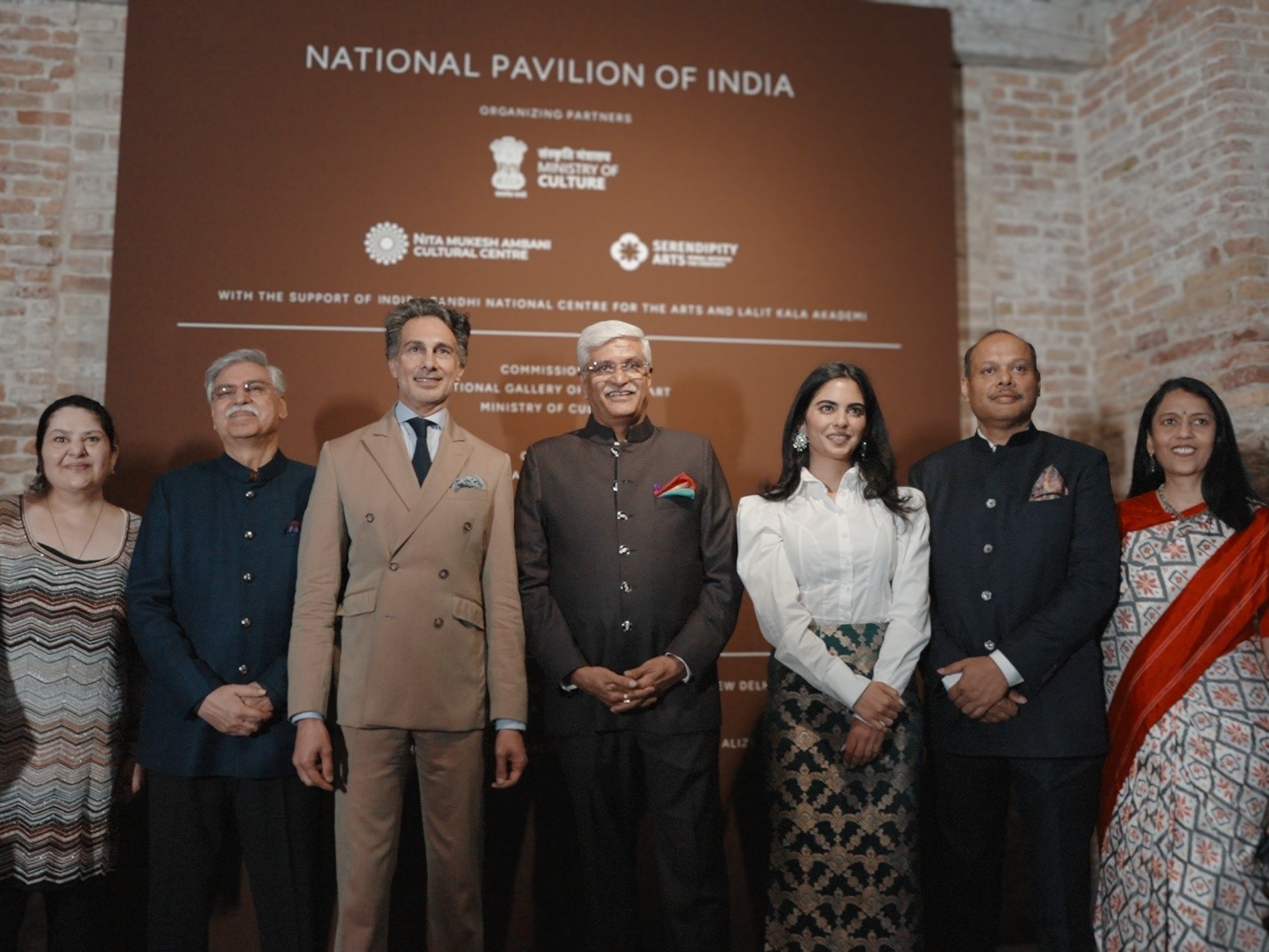
Remembering home is the exhibition presented by the Pavilion of India at the 61st International Art Exhibition -- La Biennale di Venezia 2026.
Curated by Amin Jaffer and commissioned by the Ministry of Culture in partnership with the Nita Mukesh Ambani Cultural Centre (NMACC) and Serendipity Arts, the exhibition is installed within the historic Isolotto warehouse at the Arsenale, Venice.
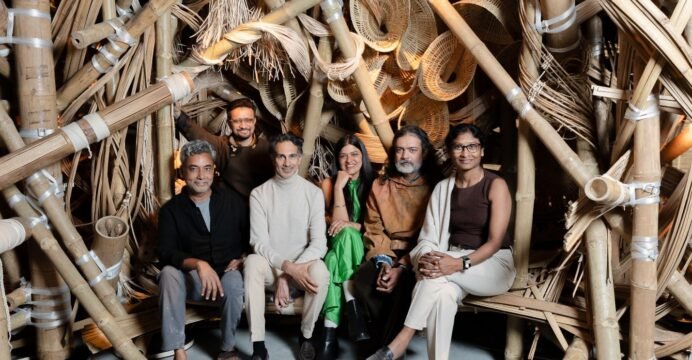
The exhibition brings together five leading contemporary artists Alwar Balasubramaniam (Bala), Ranjani Shettar, Sumakshi Singh, Skarma Sonam Tashi, and Asim Waqif -- whose practices reflect on the meaning of home in a time of profound transformation. Unified through materials deeply rooted in Indian civilization, clay, thread, bamboo, papier-mache, and hand-formed natural structures -- the works respond to the Biennale's overarching theme, In Minor Keys.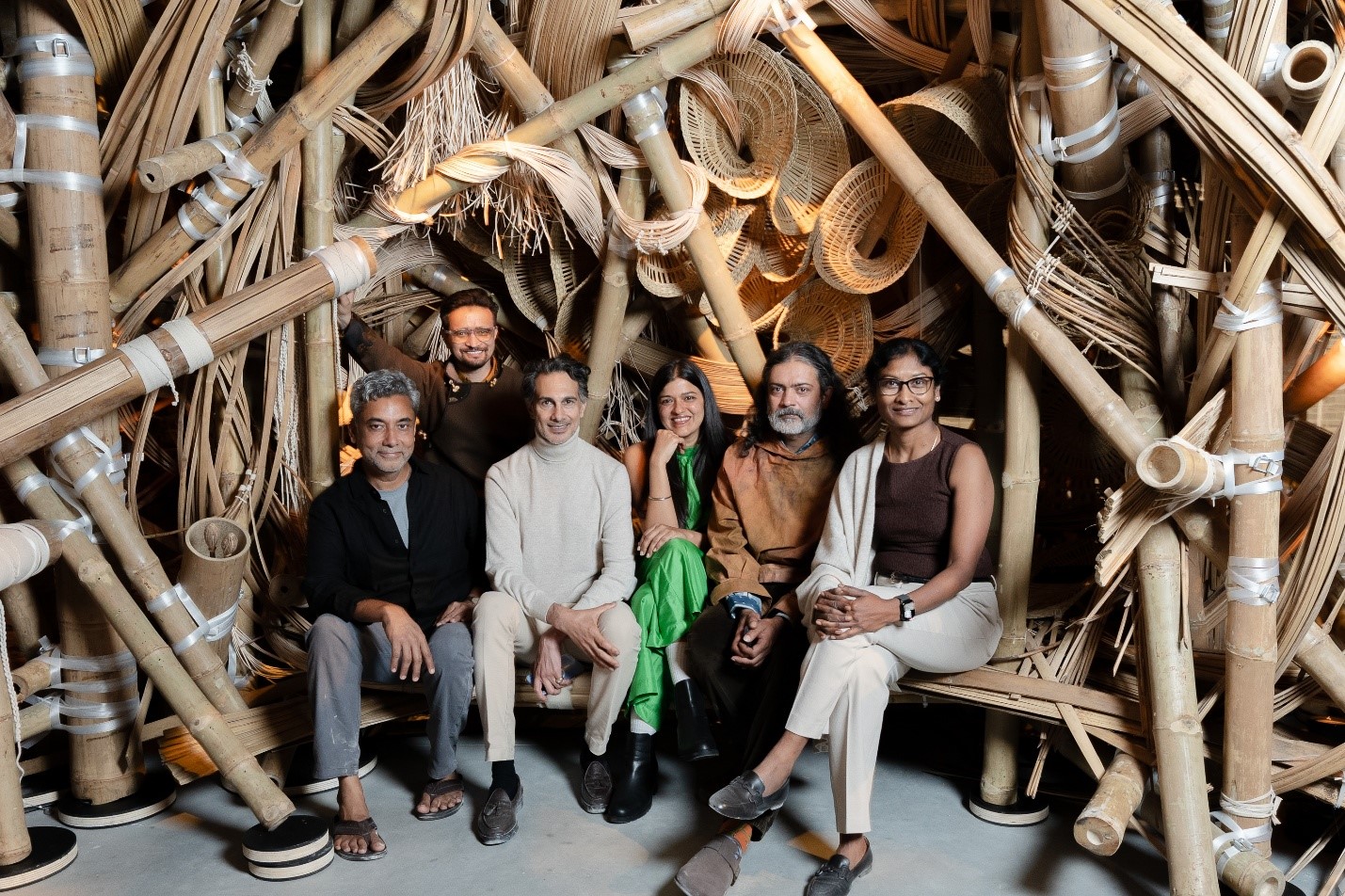
Across the Pavilion, home appears fractured, suspended, scaffolded, and reimagined. The works reflect a shared condition of change, and together the artists form a collective voice that is both deeply rooted in Indian identity and globally resonant.
As global attention turns towards the National Pavilion of India at the 61st International Art Exhibition - La Biennale di Venezia 2026, one of the quieter yet deeply evocative presences inside the Pavilion comes from the Himalayan region of Ladakh. Through the work of Skarma Sonam Tashi, the Pavilion brings into international focus the fragile ecology, spiritual traditions and sustainable way of life that have shaped Ladakh for centuries.
The India Pavilion, inaugurated on May 6 by the Ministry of Culture in collaboration with Serendipity Arts and NMACC, drew packed crowds and some of the most influential names from the global art world. Diplomats, collectors, curators, industrialists and cultural patrons gathered for the opening reception, reflecting the growing international visibility of India's contemporary cultural voice.
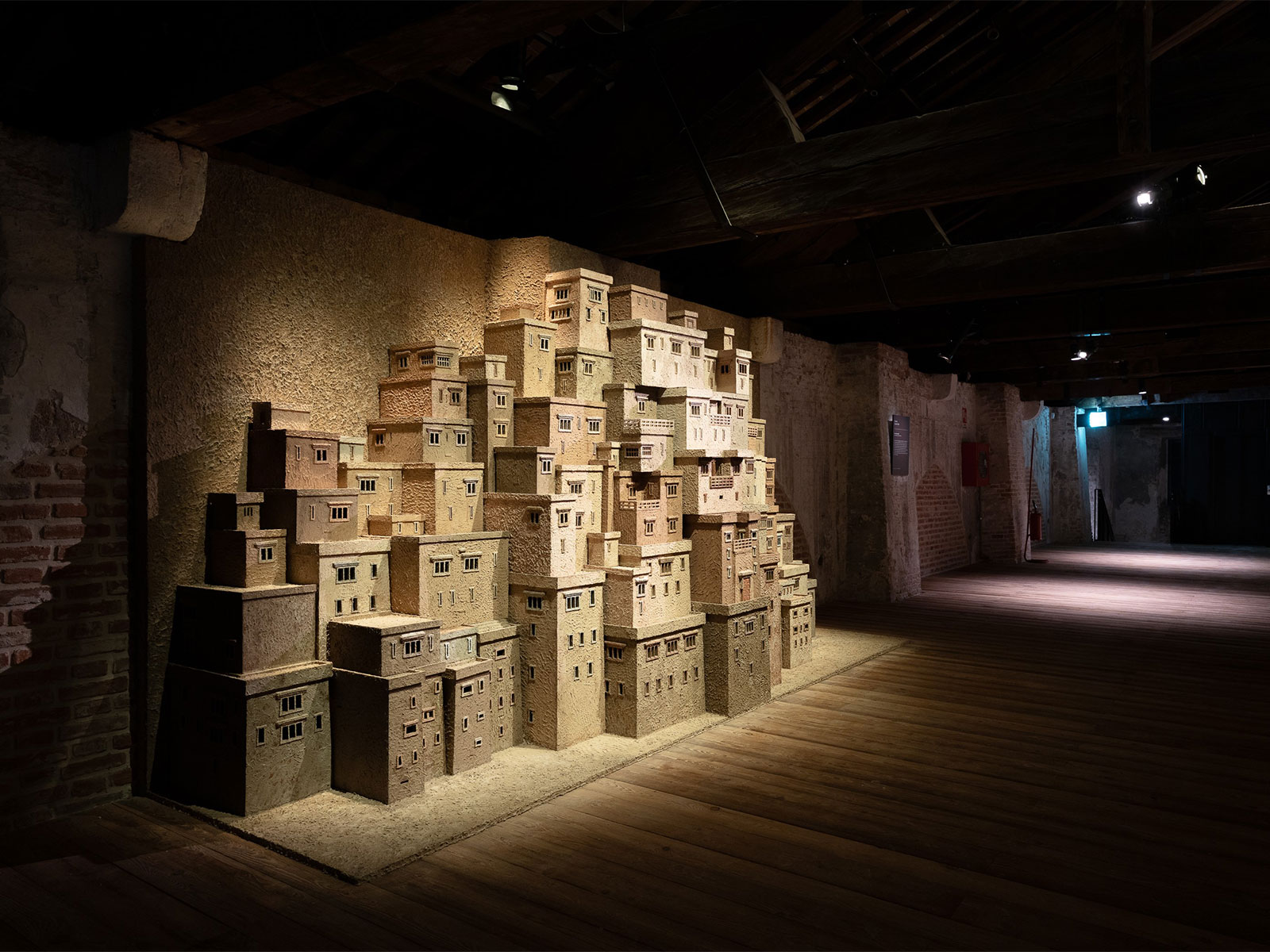
Set against the Pavilion's broader theme, In Minor Keys, "Geographies of Distance, Remembering Home", the inclusion of Tashi's work introduces audiences to a civilisation shaped not by excess, but by restraint, balance and coexistence with nature. Born in 1997 in Sapi, a small village in the Kargil district of Ladakh, the twenty-eight-year-old artist carries, in his work, a landscape he describes as steadily disappearing. Tashi works with papier-mache, a material tradition historically linked with Himalayan and Kashmiri artistic practices, transforming it into a contemporary visual language rooted in mountain life and Buddhist philosophy.
His sculptures are made from old notebooks, discarded books and cardboard, soaked into pulp and mixed with tamarind seed glue and local clay. From these humble materials -- things most people throw away -- he builds forms that resemble traditional Ladakhi architecture: inward-sloping walls, rammed earth textures and geometries shaped to survive altitude and extreme cold. The works often appear weathered by wind and time, embodying both memory and fragility.
In Ladakh, sustainability is not a modern slogan but a lived inheritance. Villages built from earth and stone, glacier-fed irrigation systems, collective farming traditions and low-impact lifestyles evolved over centuries in one of the harshest inhabited terrains in the world. The region's cultural rhythms remain deeply intertwined with monastic institutions, seasonal cycles and community life. Through art emerging from this landscape, the Pavilion subtly foregrounds indigenous knowledge systems that are increasingly relevant in a world confronting ecological anxiety and climate change.
Tashi's sculptures function simultaneously as elegies and acts of preservation, documenting ways of building, farming and living that are increasingly under threat.
Yet beyond maps, the Pavilion presents Ladakh through the lens of culture as a repository of Buddhist heritage, artistic continuity and resilient human adaptation in the high Himalayas.
India's Minister for Culture and Tourism Gajendra Singh Shekhawat, Secretary Culture Vivek Aggarwal, Ambassador of India to Italy Vani Rao, Joint Secretary Ministry of Culture Lily Pandeya, Member Secretary IGNCA Dr Sachchidanand Joshi, DG NGMA Dr Sanjeev Kishore Goutam and other officers from the Government of India attended the inauguration event in Venice. (ANI)
