

India aims to expand space economy from USD 8.4 billion to USD 44 billion amid rising private participation: IN-SPACe official
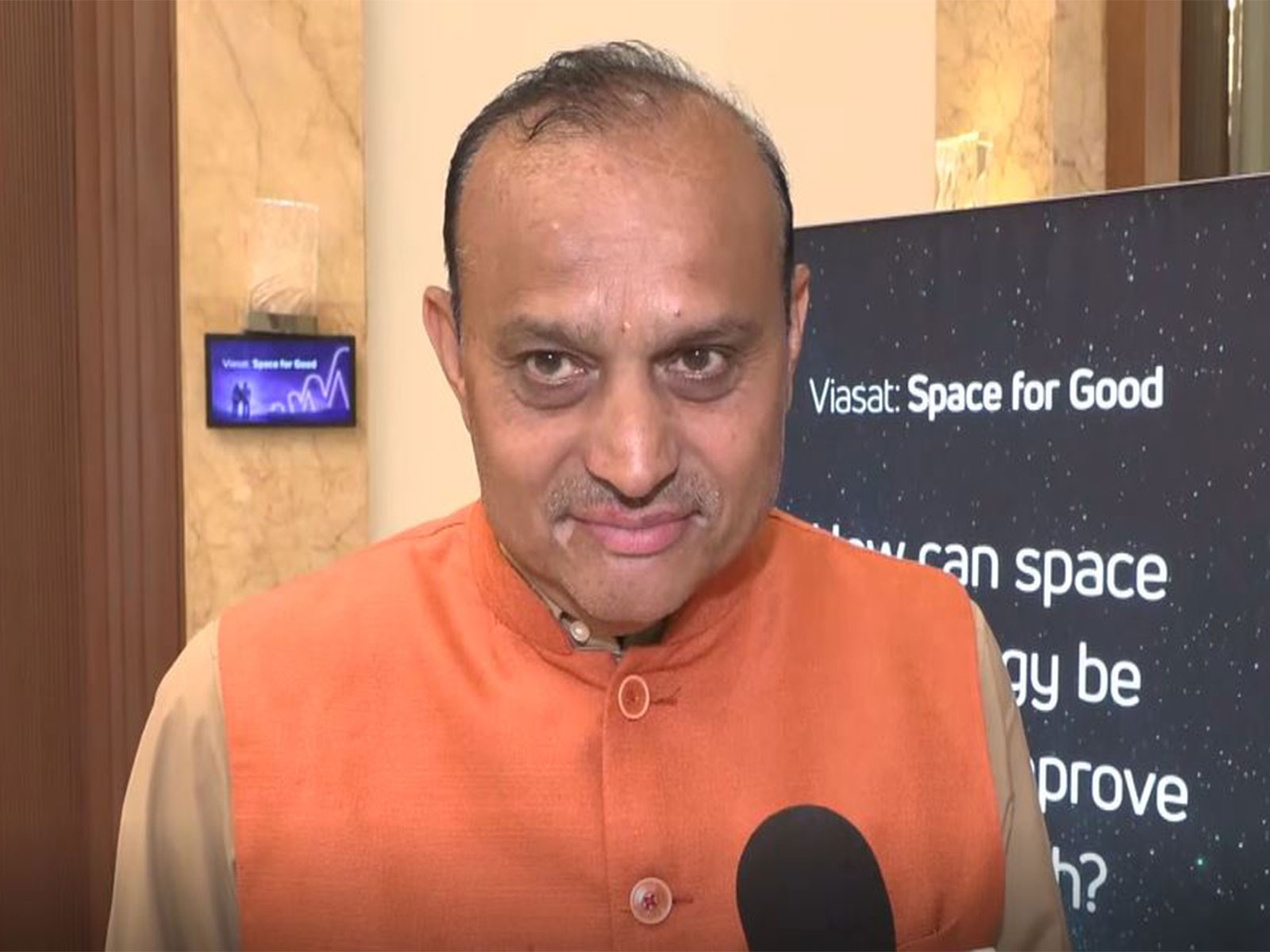
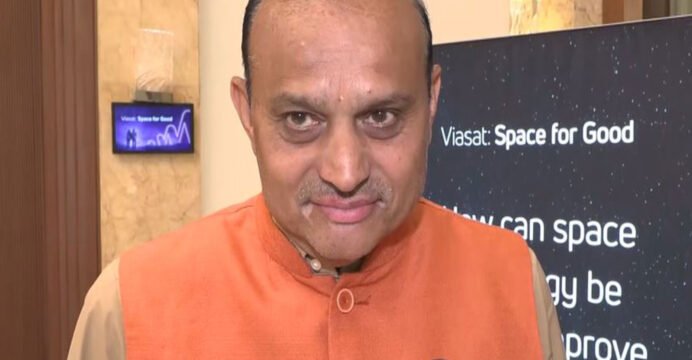
New Delhi [India], October 27 (ANI): Rising demand for low Earth orbit (LEO) satellites for internet connectivity and Earth observation, coupled with increased launch capacity through a new Small Satellite Launch Vehicle (SSLV) launch pad at Kulasekarapattinam in Tamil Nadu, is expected to boost India's domestic space industry, said Dr Vinod Kumar, Director, Promotion Directorate, Indian National Space Promotion and Authorisation Centre (IN-SPACe), Department of Space, Government of India.
"See, demand for LEO satellites is rising for low-orbit internet and earth observation. We have SSLV, and we have augmented launch capacity with a new launch pad at Kulasekarapattinam in Tamil Nadu. So that business will stay in India," Kumar told ANI on the sidelines of 'Viasat: Space for Good 2026 India', organised by Viasat India in strategic partnership with IN-SPACe.
The developments follow the government's space-sector reforms introduced in June 2020 to encourage greater private participation. Kumar said the reforms have opened up opportunities for private companies to undertake activities that were earlier largely carried out by the Indian Space Research Organisation (ISRO).
"Earlier, only ISRO could do end-to-end activities, while other companies were working as vendors to ISRO," he said.
IN-SPACe serves as a regulatory and promotional agency for non-government entities in the space sector. It provides a single-window mechanism for authorisations and facilitates the participation of private companies in space-related activities.
Kumar highlighted the rapid expansion of India's space ecosystem, which now comprises over 450 space startups, more than 250 other registered startups, over 300 micro, small and medium enterprises (MSMEs), and more than 50 large space companies.
India's space economy is valued at approximately USD 8.4 billion, accounting for around 2 per cent of the global space economy. The country aims to increase its space economy to USD 44 billion over the next decade.
The Indian Space Policy 2023 and changes to the foreign direct investment (FDI) framework are among the measures intended to encourage investment and private participation.
Kumar further highlighted that around 120 technologies have been transferred from ISRO to private companies, while financial support is being provided through a Rs 1,000-crore venture capital fund and a Rs 500-crore Technology Adoption Fund.
He added that around 640 startups and companies have been selected for grants under various support initiatives.
Private companies can also access ISRO facilities to test products and satellites, helping them validate technologies and strengthen their technical capabilities before commercial deployment.
On regulatory processes, Kumar cited an authorisation timeline of around 75 to 120 days, depending on the process involved.
He further stated that spectrum allocation would be governed by government policy, with an administrative framework aimed at ensuring equal opportunities for all players.
The reforms are aimed at enabling Indian companies to expand their role across the commercial space value chain, from technology development and satellite manufacturing to launch services and space-based applications. (ANI)
