
Former US NSA John Bolton says US must pivot from tariffs to Quad partnership with India
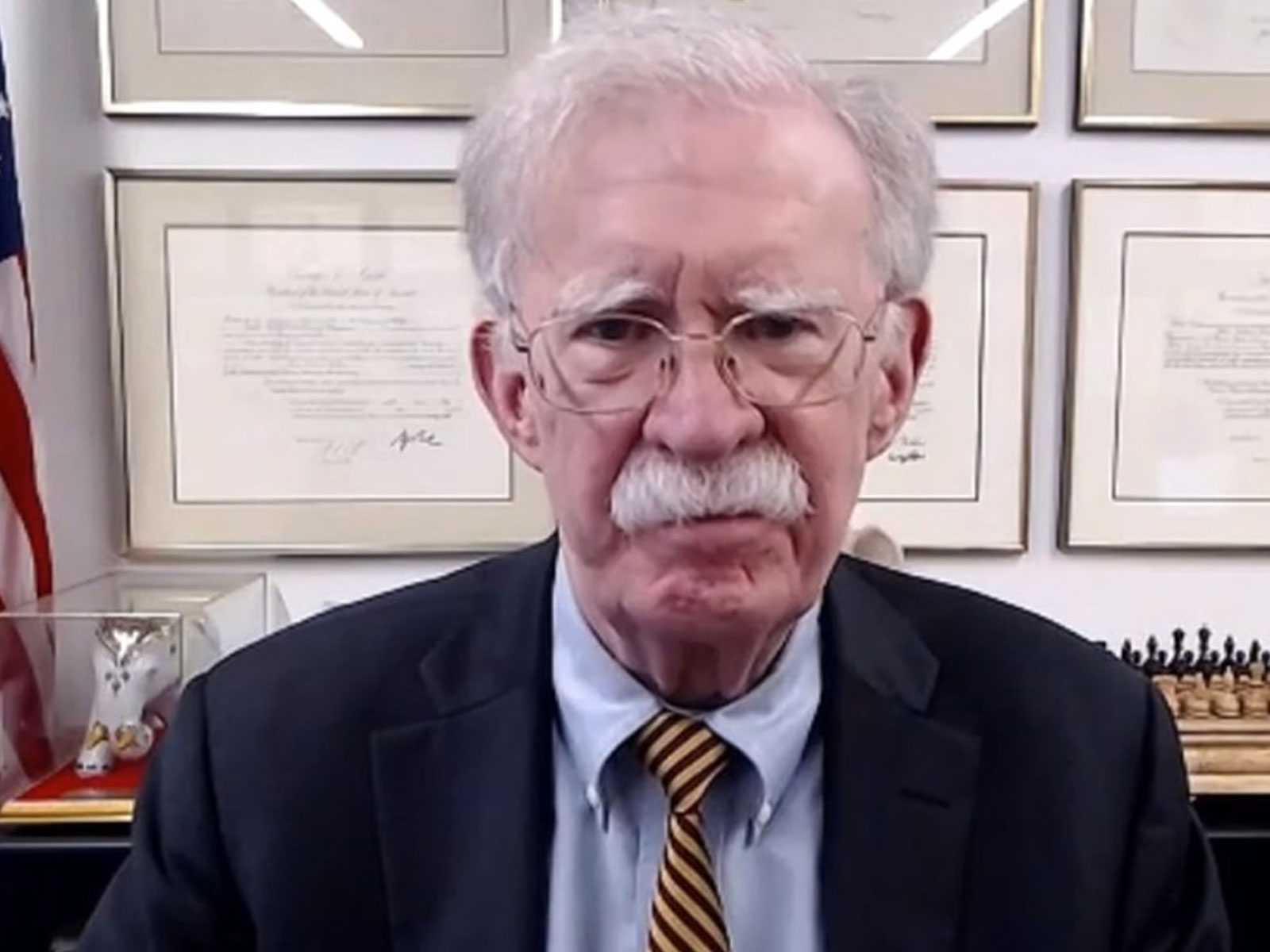
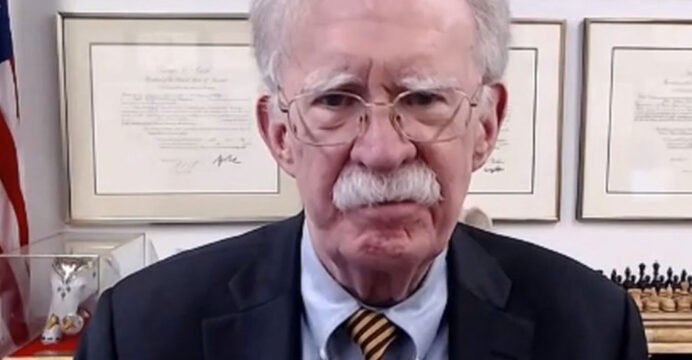
Washington, DC [US], September 24 (ANI): Former US National Security Advisor John Bolton has strongly criticised the newly enacted Lindsey O Graham Sanctioning Russia and Iran Act of 2026, warning that granting President Donald Trump expanded authority to impose secondary sanctions and tariffs is a "big mistake".
Speaking with ANI, Bolton cautioned that secondary sanctions cause severe geopolitical friction with key partners like India, urging Washington to pivot its diplomatic focus away from economic penalties and toward countering strategic threats posed by China.
Commenting directly on the legislation, which grants the executive branch expanded powers to penalise foreign nations purchasing Russian energy, Bolton argued that secondary sanctions create unnecessary international fallout.
"Giving Trump more sanctions authority is a big mistake generally," Bolton stated. "The issue is not whether we shouldn't apply more pressure to Russia. Of course, we should. These secondary sanctions cause enormous problems."
Bolton emphasised that if the administration truly intended to target major purchasers of Russian oil and gas, the primary focus should be China rather than allies like New Delhi.
"If we were really going to focus on the biggest purchaser of oil and gas from Russia, it would be China," Bolton noted. "It is exactly the country whose leader Trump is going to see tomorrow that deserves the biggest sanctions. I don't think we are going to see sanctions based on this Lindsey Graham bill or earlier sanctions authority that might have done it as well."
When asked how he would advise the Trump administration on managing relations with India if he were in the Oval Office today, Bolton advocated for prioritising high-level strategic alignment over trade disputes and tariffs.
"Well, I would spend more time on strategic discussions with Prime Minister Modi and their, their, advisors down the line, less, less, concentration on tariffs," Bolton advised. "I think the Trump tariffs from last year were a big economic mistake for the United States, not, not just for the countries that were found themselves having more tariffs imposed on them. I think we need to get that out of the way and, and clear up some of the tensions and animosities that those tariffs created."
Pointing to broader regional security, Bolton called for leveraging multilateral groupings to address common security concerns in the Indo-Pacific.
"It is very important for the US and India to have a closer bilateral relationship and more dealings in groups like the Asian Security Quad, along with Japan and Australia, to talk about our mutual concerns about China. I don't think Trump has paid nearly enough attention to that," he remarked.
Bolton concluded by emphasising that bilateral economic issues, while complex, should not overshadow the core security imperatives facing both nations.
"And then, you know, any, any economic relationship between two large countries is going to have complicated economic issues," Bolton added. "That's not the centrepiece. The centrepiece is the strategic threats that they face and how they can work together to deal with them. Now, we don't spend nearly enough time on that."
His remarks come as External Affairs Minister S Jaishankar met with US Secretary of State Marco Rubio on the sidelines of the 81st United Nations General Assembly High-Level Week in New York, raising India’s crucial economic and strategic concerns regarding proposed legislation targeting buyers of Russian energy.
During the bilateral talks, Jaishankar directly addressed the Sanctioning Russia and Iran Act (SRIA), a bill aimed at imposing steep tariffs of up to 100% on major purchasers of Russian oil and gas.
"Good to meet @SecRubio of the US #UNHighLevelWeek," Jaishankar posted. "Reiterated India's interests and concerns with regard to SRIA. Also discussed the Gulf and Ukraine situations."
The regulatory framework focuses on Russia's petroleum and military sectors, Russian administrators and banking institutions, alongside its designated “shadow fleet” of maritime vessels deployed to bypass limitations on Russian crude shipments.
For India, the legislation establishes a statutory pathway that could allow Washington to impose tariffs of up to 100 per cent on Indian imports in response to continued purchases of Russian energy.
However, the bill does not itself impose a 100 per cent tariff on Indian goods. Instead, it gives the executive branch authority to impose such tariffs under specified statutory conditions if the legislation is enacted and subsequently invoked by Trump. (ANI)
