

“Ensuring Strait of Hormuz remains open, secure is essential”: PM Modi to President Trump
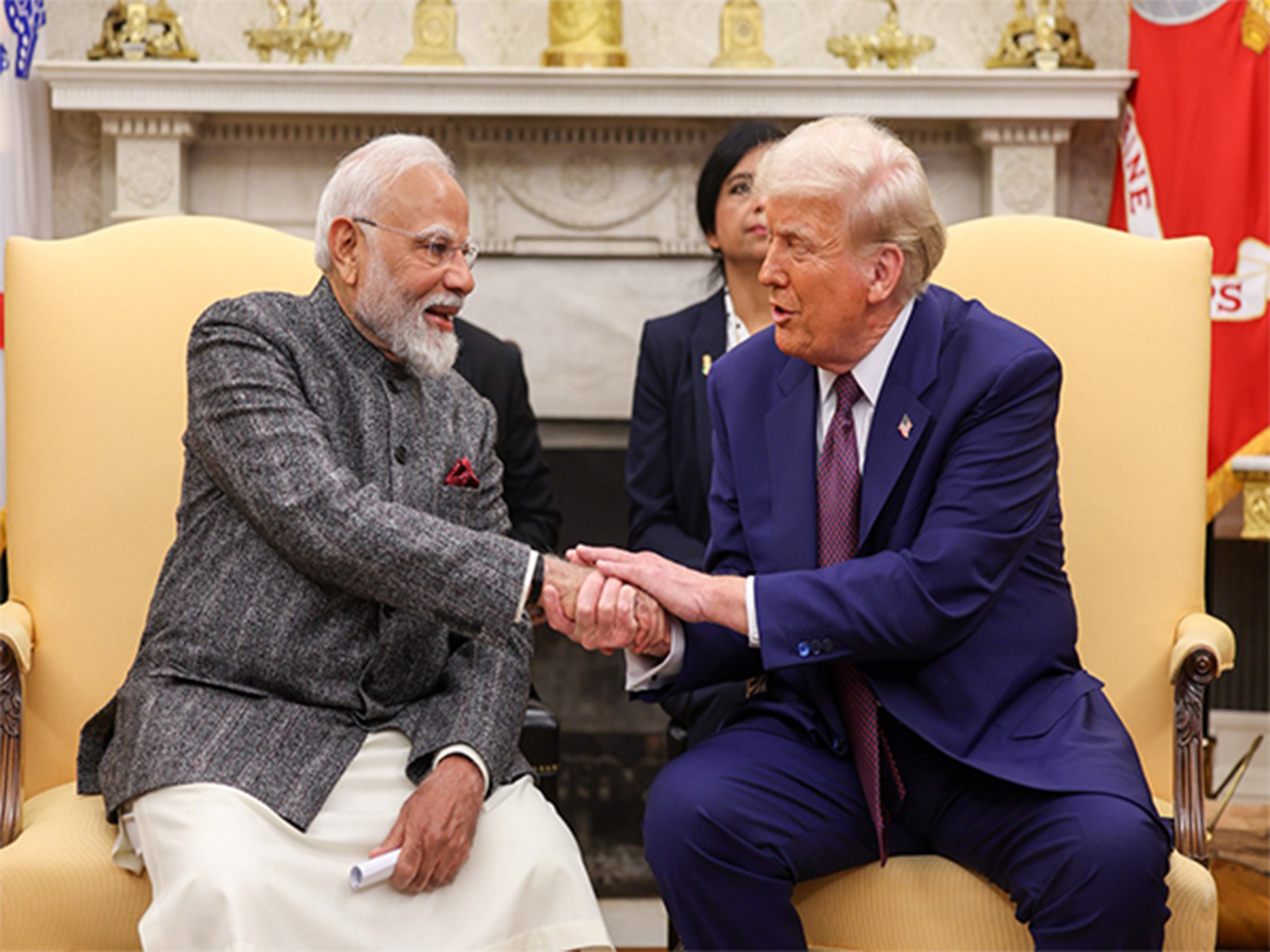
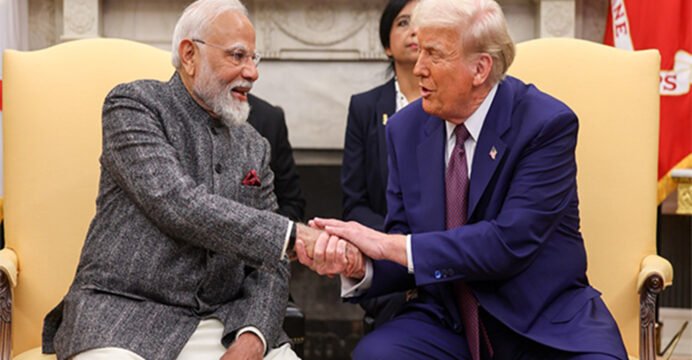
New Delhi [India], March 24 (ANI): Amid intensifying global efforts to secure vital energy corridors, PM Narendra Modi held a high-level telephonic conversation with US President Donald Trump on Tuesday to discuss the prevailing conflict in West Asia. The dialogue comes at a critical juncture as regional tensions continue to impact global energy markets and maritime security.
In a post on X, PM Modi detailed the diplomatic exchange, stating, "Received a call from President Trump and had a useful exchange of views on the situation in West Asia. India supports de-escalation and restoration of peace at the earliest. Ensuring that the Strait of Hormuz remains open, secure and accessible is essential for the whole world. We agreed to stay in touch regarding efforts towards peace and stability."
US envoy Sergio Gor earlier confirmed the exchange, noting that the dialogue focused on the ongoing situation, "including the importance of keeping the Strait of Hormuz open".
This diplomatic outreach occurs as President Trump signalled a potential de-escalation in the US-Israel standoff with Iran, marking on Monday that his administration was already engaged in "productive" talks with Tehran.
Following these developments, Trump extended his deadline for potential strikes on power plants by five days, citing Iran's "chokhold on the key oil shipping route Strait of Hormuz". While Iranian officials claimed the US President had backed down "following Iran's firm warning", the internal messaging from Tehran remains cautious. Reports from CBS suggest Tehran has "received points from the US through mediators and they are being reviewed".
Addressing Parliament on Tuesday, PM Modi underscored India's proactive role in navigating the crisis through constant communication with all stakeholders.
"Since the start of the war, I have held two rounds of phone conversations with the heads of state of most countries in West Asia. We are in continuous contact with all the Gulf countries, and we are also in touch with Iran, Israel, and the United States," PM Modi said.
The Prime Minister further highlighted that New Delhi is leveraging its diplomatic capital to protect its maritime and diaspora interests.
"Through diplomacy, India is trying to ensure safe commutation of the country's ships even in a war situation. India has opted for a solution through dialogue to resolve this issue," PM Modi added, reiterating that the safety of the Indian community in the region remains a "priority".
Amid this diplomatic push, the government clarified the legal status of the contested waters.
Rajesh Sinha, Special Secretary in the Ministry of Shipping, dismissed concerns regarding transit rights, stating, "It is an international strait. Permission was not required before. It is not required even today. You definitely assess the situation as to how the safety will be, how one should move, at what time one should move, but still, it is not that permission is required from anyone."
In a significant operational breakthrough, two Indian LPG carriers, Jag Vasant and Pine Gas, have successfully transited through the strategic Strait of Hormuz.
The vessels, carrying a substantial cargo of 92,612.59 MT of LPG, were seen in visuals as they crossed the critical maritime chokepoint. These massive carriers have 33 and 27 Indian seafarers onboard, respectively, managing the transit through the high-risk area.
The Union Government confirmed on Monday that these two additional Indian-flagged tankers are anticipated to arrive at Indian shores within the next forty-eight hours.
The Pine Gas and Jag Vasant conducted their transit in close proximity to one another after commencing their journey from the Persian Gulf on Monday morning. These tankers were part of a group of 22 Indian-flagged vessels that became stranded following the escalation of the conflict.
This successful movement follows the previous safe arrival of the MT Shivalik and MT Nanda Devi, which carried roughly 92,712 tonnes of LPG--an amount equivalent to "roughly a day's cooking gas consumption of the country."
Emphasising the commitment to maritime security, Sinha told reporters, "Ultimately, we want to secure safe passage of all our vessels that are stranded in the region."
The safe transit of these energy carriers occurs against a backdrop of heightened regional tension, following earlier statements from Iran asserting it would not allow "enemy countries' ships" to pass through the Strait of Hormuz. (ANI)
