


‘Concern is why Tibetans cannot come’: Declining arrivals reshape exile monasteries
Dharamshala (Himachal Pradesh) [India], November 4 (ANI): Tibetan monasteries and nunneries in exile are witnessing a significant demographic shift, with Tibetans now accounting for only 28 per cent of the monastic population, amid declining arrivals from Tibet, falling birth rates and migration of younger Tibetans to Western countries.
According to the Department of Religion and Culture of the Central Tibetan Administration (CTA), 295 monasteries and nunneries across India, Nepal and Bhutan house more than 38,000 monks and nuns.
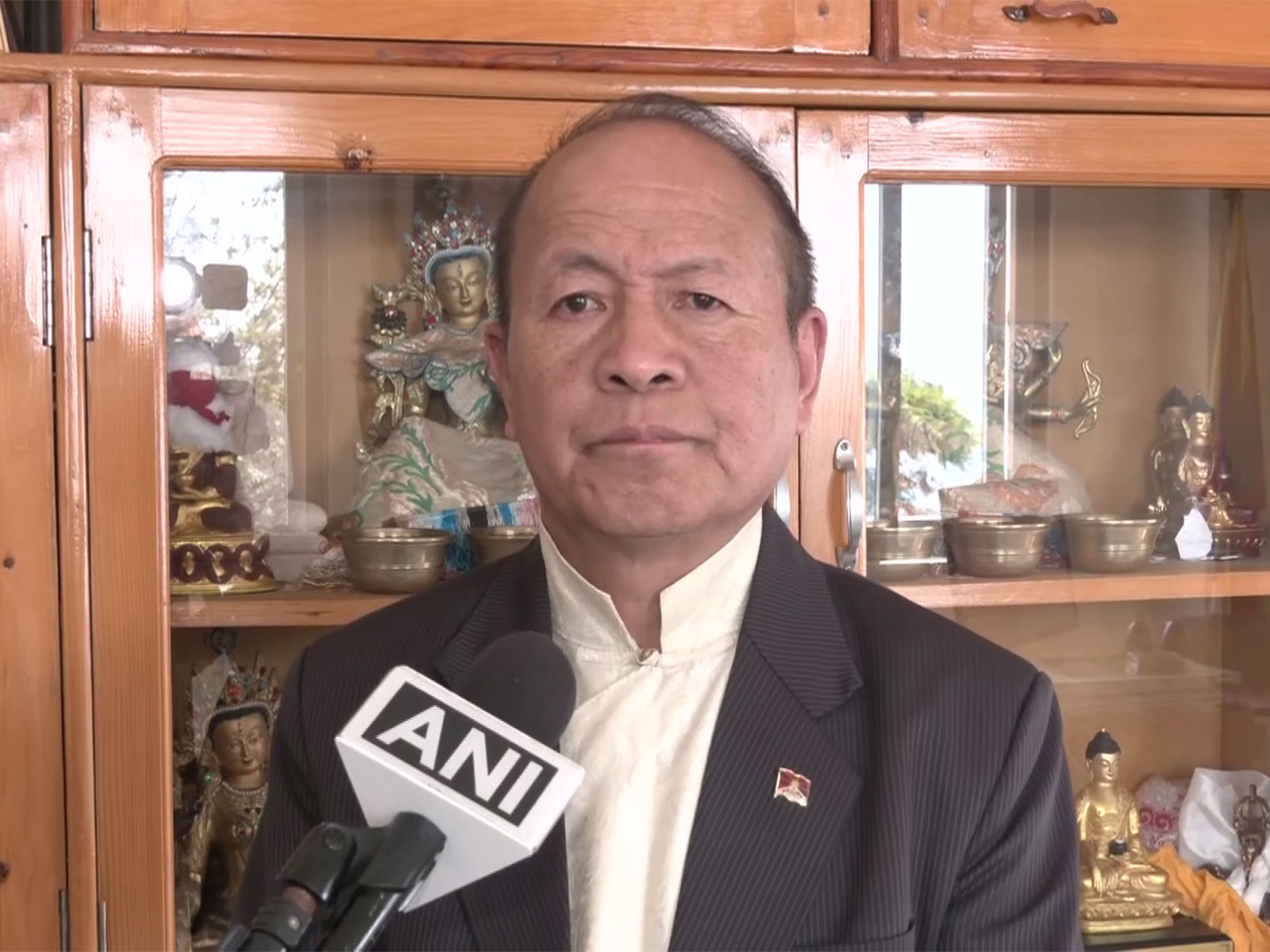
Tsegyal Chukya Dranyi, Kalon (Minister) of Religion and Culture of the CTA, said the number of Tibetans arriving in India has dropped drastically over the years, affecting admissions in monasteries and nunneries.
“There was a time when the number of arrivals from Tibet was in the thousands annually. Now, we hardly receive five or six people in a year, and they are mostly not children or youngsters,” he said.
The minister said Tibetan parents living in Tibet earlier sent their children to India to receive religious and educational training in schools and monasteries, but such arrivals have declined significantly.
He attributed the declining Tibetan monastic population to multiple factors, including reduced birth rates, delayed marriages and migration of younger Tibetans to Western countries.
“Earlier, families used to have six or seven children. Nowadays, families generally have one, two or three children. Youngsters are also getting married later as they focus on their careers. Another reason is migration to the West, with many young Tibetans moving out of India,” he said.
The minister said people from Indian Himalayan regions, including Ladakh, Spiti, Lahaul, Kinnaur, Arunachal Pradesh and Sikkim, along with some from Bhutan, are increasingly joining Tibetan monasteries and nunneries.
He said these communities share similarities in culture, traditions and religion and are interested in learning Tibetan Buddhist teachings.
According to the minister, people from the Himalayan region now account for 68 per cent of the monastic population, while foreigners constitute four per cent and Tibetans account for 28 per cent.
Dranyi said monasteries and nunneries operate independently under their respective lamas, gurus and khenpos, with the department providing guidance rather than direct financial assistance or managing admissions.
He added that monasteries and nunneries do not generally have fixed admission limits like schools and accommodate students according to their capacity.
Youdon Aukatsang, Director of the Buddhist Women’s Educational Society, said the Tibetan Buddhist community in exile had flourished for decades under the vision and guidance of the Dalai Lama. However, restrictions imposed by China since 2008 have significantly reduced the number of Tibetans coming from Tibet to join monasteries and nunneries in exile.
She said that while the overall monastic population has remained relatively stable due to the participation of Buddhist communities from the Himalayan regions of India, Nepal and Bhutan, the proportion of Tibetans has declined considerably.
Aukatsang said the demographic change has implications for the preservation of Tibetan identity, as religion, culture and language remain closely interconnected.
“One of the main strengths of Tibetan identity is our culture and religion. With the decline in the Tibetan population, I think it does impact our freedom struggle because our main identity is also our culture and religion. Tibetan language is very much connected to our Buddhist culture and tradition,” she said.
She alleged that restrictions on Tibetans travelling from Tibet were also affecting the preservation and continuity of their national identity in exile.
Aukatsang, however, said the participation of Buddhist communities from Ladakh, Sikkim, Arunachal Pradesh, Himachal Pradesh, Nepal and Bhutan had helped sustain a vibrant monastic community.
Emphasising the wider role of monasteries and nunneries, she said they were not merely places of worship but also important institutions for preserving Tibetan culture and identity.
Rinchen Khando, former minister in the CTA cabinet and veteran Tibetan women activist, said she had devoted much of her active life to community service, including working with the Tibetan Women’s Association, overseeing children’s education and establishing the Tibetan Nuns Project.
Expressing concern over the declining number of Tibetans joining monasteries in exile, Khando said Tibetans inside Tibet were earlier eager to come to India to study in the presence of the Dalai Lama and receive religious education.
She alleged that the Chinese government had increasingly prevented Tibetans from travelling to India and joining the exile community, resulting in a sharp decline in arrivals.
“Our concern is not about having fewer numbers, but about why people are not able to come. The Chinese government is obviously trying to root out Tibetan culture and identity completely, to cut it off from its roots. That is what concerns us,” she said.
Khando said the focus should remain on providing quality education and religious training to those who are already part of the exile community, irrespective of their numbers.
“Whatever number we have here, if we look after them and they study well, even if ten people do well, that is something, isn’t it? We are more concerned about why they couldn’t come rather than why we have so few,” she said.
The demographic shift has raised concerns over the long-term preservation of Tibetan religious traditions, language and cultural identity, with monasteries and nunneries continuing to play a central role in sustaining these institutions in exile. (ANI)
