

“Claims do not correspond to what we see on the ground”: Iran rejects US assertions of control over Hormuz
Tehran [Iran], October 12 (ANI): Iran on Monday dismissed statements from Washington claiming that maritime control and normal shipping flows have been restored in the strategic Strait of Hormuz.
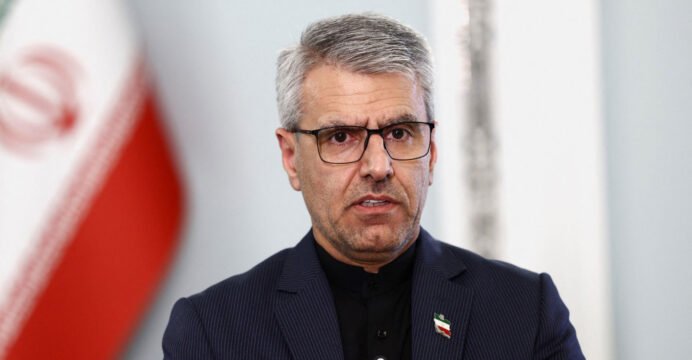
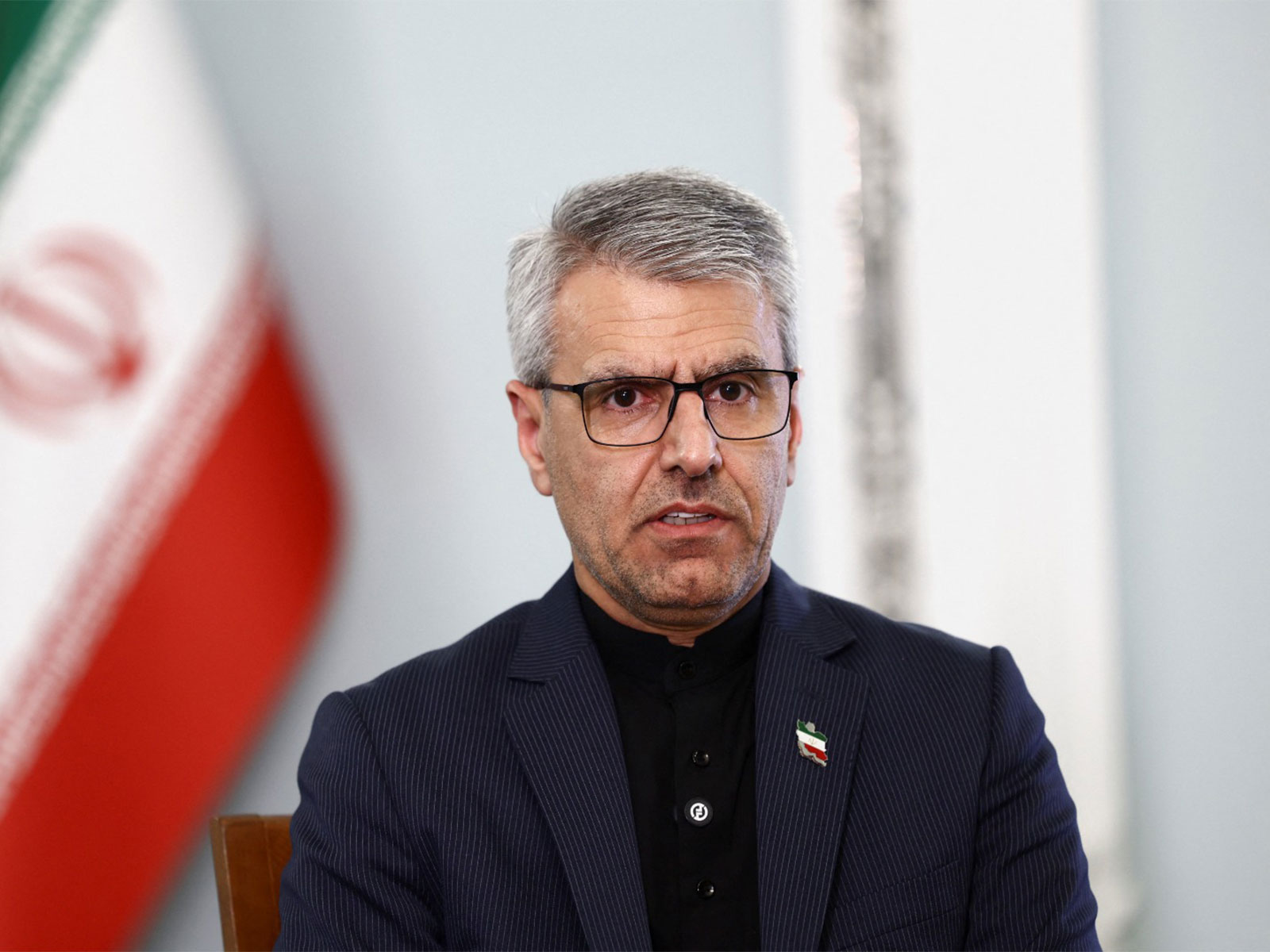
Speaking at a press conference on Monday, Iranian Foreign Ministry spokesperson Esmail Baghaei asserted that Tehran maintains total control over the crucial energy corridor, warning that security cannot return to the region as long as foreign military aggression and economic blockades persist.
Dismissing the American account of the situation, Baghaei emphasised that market realities contradict Washington's official narrative. "The claims of the Americans do not correspond to what we see on the ground," Baghaei stated. "They can continue to say that the Strait of Hormuz is no longer effective and Iran has lost its leverage; we are also doing our own thing."
Addressing Western media coverage, the spokesperson accused foreign outlets of running a coordinated campaign to misrepresent the root cause of global commodity spikes and shipping instability. "Yes, we understand that a media campaign is ongoing in which they are trying to change the place of cause and effect," he noted, reiterating that "before March 21, the Strait of Hormuz was open" and that current disruptions are the direct result of foreign intervention.
The Iranian Foreign Ministry's remarks came as a direct counter to statements by US President Donald Trump, who recently claimed that record volumes of oil, 22 million barrels in a single night, were flowing through the waterway without any Iranian involvement, while maintaining that a blockade against Iranian maritime traffic remains in full effect.
Iran emphasised that its operations along its coastline are legal countermeasures following joint military actions by US and Israeli forces that used the corridor as a staging area starting March 29.
Tehran stated that normal maritime operations will not resume until the US halts its naval blockade, economic warfare, and hostile posture.
Officials acknowledged that Iran itself relies heavily on the safety of the corridor and takes no satisfaction in the ongoing crisis, placing the blame squarely on foreign military intervention.
Iran urged international governments concerned about energy security to direct their diplomatic pressure toward stopping American military actions rather than criticising Tehran.
"As long as the US insists on continuing to insecure this waterway and the region through naval blockade and economic war, with all the measures they are proud of and all of which are examples of military aggression against a country, security will not return to this waterway," Baghaei warned.
The diplomatic standoff over the Strait continues amid conflicting signals from Washington and Tehran on the status of negotiations.
Mohsen Rezaei, Secretary of Iran's Supreme National Security Council, described the US response to Iranian terms as "inadequate." He confirmed that Washington had agreed to some of Iran's seven conditions for reopening the Strait, but added that "Iranian diplomacy has changed, and there will be no return to the status quo ante."
Iran's Parliament Speaker Mohammad Bagher Ghalibaf maintained a hard line, stating that the Strait will remain closed until the US meets all seven conditions outlined in the 14-point June Memorandum of Understanding.
From the US side, President Donald Trump said "productive discussions" are underway. In a post on Truth Social, he ruled out any US military strikes against Iran before the November 3 midterm elections, while affirming that the blockade remains in full force.
Baghaei concluded by calling on international powers genuinely concerned about global energy stability to address the root cause of the conflict.
"If the governments that are concerned about this situation are truly serious in their concerns, they should address the party that is causing this situation and use every opportunity to make the United States stop its aggressive actions that are still ongoing," he said. (ANI)
