

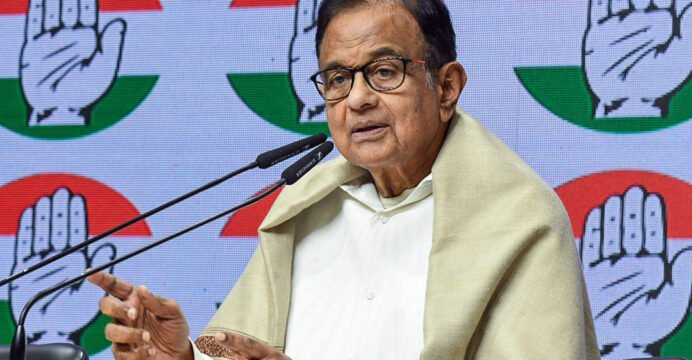
Chidambaram questions future of trade deal after US Supreme Court strikes down Trump’s sweeping tariffs
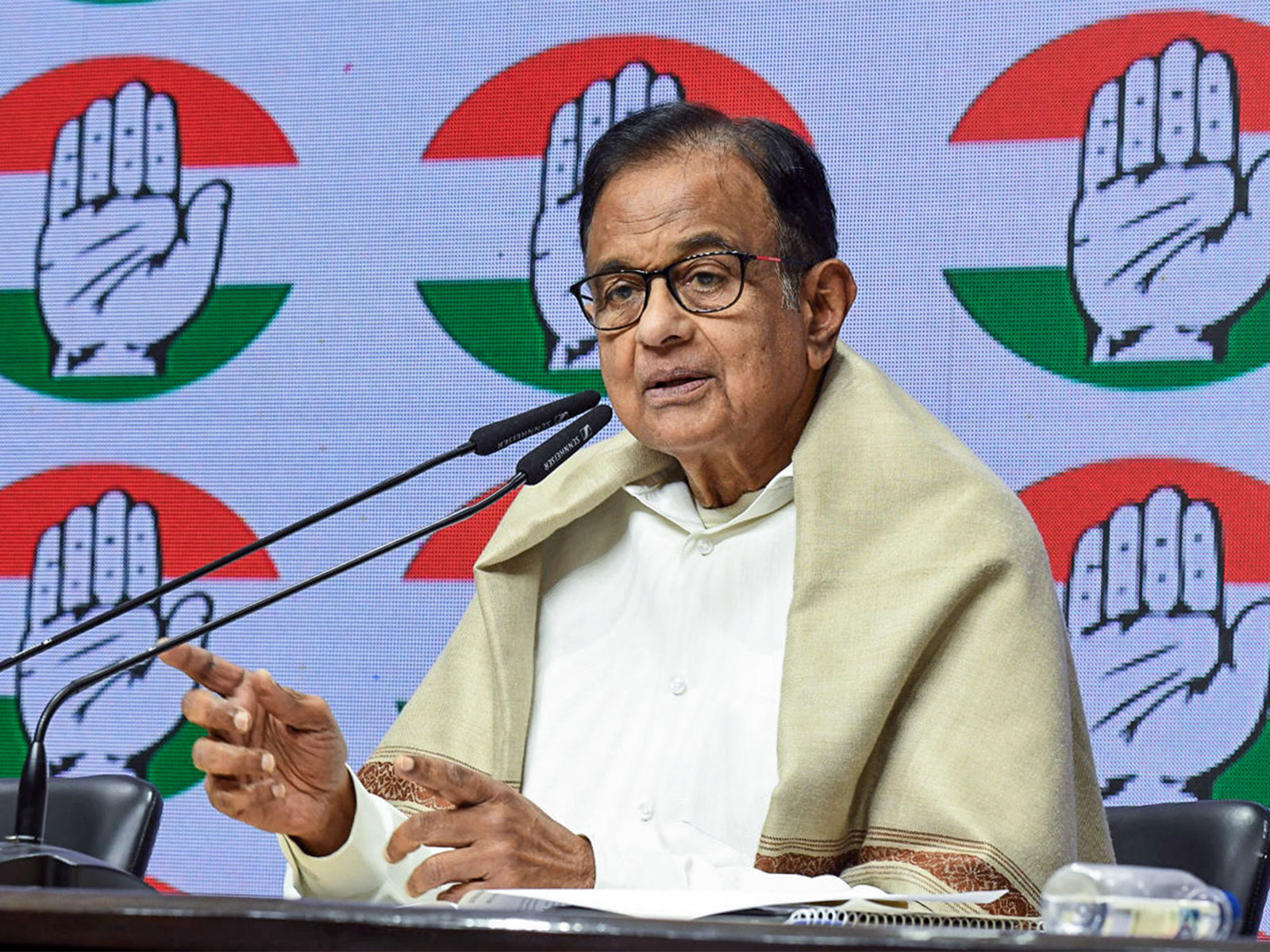
New Delhi [India], February 21 (ANI): Congress leader P Chidambaram on Friday questioned the future of concessions made by India under the recently announced India-US trade framework, following a ruling by the Supreme Court of the United States that invalidated most of President Donald Trump's sweeping tariff measures.
Chidambaram asked what would happen to promises of zero tariffs on US goods, USD 500 billion in imports, a halt on Russian oil purchases, and the removal of non-tariff barriers.
In a post on X, Chidambaram wrote, "I wrote in my Sunday column on February 15, 2026 that if the Supreme Court struck down, President Trump's imposition of tariffs, the result will be that the USA and India will revert to the status quo ante (before April 2, 2025) Meanwhile, the U.S. has extracted several concessions from India without conceding any. What will happen to those concessions?"
I wrote in my Sunday column on February 15, 2026 that if the Supreme Court struck down
— P. Chidambaram (@PChidambaram_IN) February 20, 2026
President Trump's imposition of tariffs, the result will be that the USA and India will revert to the status quo ante (before April 2, 2025)
Meanwhile, the U.S. has extracted several…
He also raised concerns over the Indian team now in the US to finalise the Framework Agreement, urging the government to explain the impact of the Supreme Court judgement on the deal announced on February 6.
"The joint statement announced Zero tariff on many goods that the U.S. will export to India; that India intends to import USD 500 billion worth of goods from the U.S.; that India will not buy Russian oil; that India will address the non-tariff barriers to U.S. goods, and so on. What will happen to those promises?" the post read
"An Indian team is now in the U.S. to finalise the text of the Framework Agreement. What will the team do now? The government must explain the impact of the judgement on the 'deal' that was announced on February 6 between the U.S. and India," the post further read.
This comes after the US Supreme Court invalidated most of his sweeping tariff measures today, The Washington Post reported.
According to The Post, the US apex court held that the US President did not possess the authority under the 1977 International Emergency Economic Powers Act (IEEPA) to impose extensive import duties on goods from nearly all US trading partners.
The framework reaffirmed the countries' commitment to the broader U.S.-India Bilateral Trade Agreement (BTA) negotiations, launched by President Donald Trump and Prime Minister Narendra Modi on February 13, 2025, which will include additional market access commitments and support more resilient supply chains.
A Joint Statement had said that the Interim Agreement between the United States and India will represent a historic milestone in our countries' partnership, demonstrating a common commitment to reciprocal and balanced trade based on mutual interests and concrete outcomes.
According to the joint statement, India will eliminate or reduce tariffs on all U.S. industrial goods and a wide range of U.S. food and agricultural products, including dried distillers' grains (DDGs), red sorghum for animal feed, tree nuts, fresh and processed fruit, soybean oil, wine and spirits, and additional products.
The United States will apply a reciprocal tariff rate of 18 per cent under Executive Order 14257 of April 2, 2025, as amended, on originating goods of India, including textile and apparel, leather and footwear, plastic and rubber, organic chemicals, home decor, artisanal products, and certain machinery. And, subject to the successful conclusion of the Interim Agreement, will remove the reciprocal tariff on a wide range of goods identified in the Potential Tariff Adjustments for Aligned Partners Annex to Executive Order 14346 of September 5, 2025, as amended, including generic pharmaceuticals, gems and diamonds, and aircraft parts.
US had earlier imposed 50 per cent tariff on Indian goods, including a 25 per cent tariff for importing oil from Russia. (ANI)
