

Bihar, UP MLC polls: Multi-cornered contests, party rebellions shape battle for 19 seats
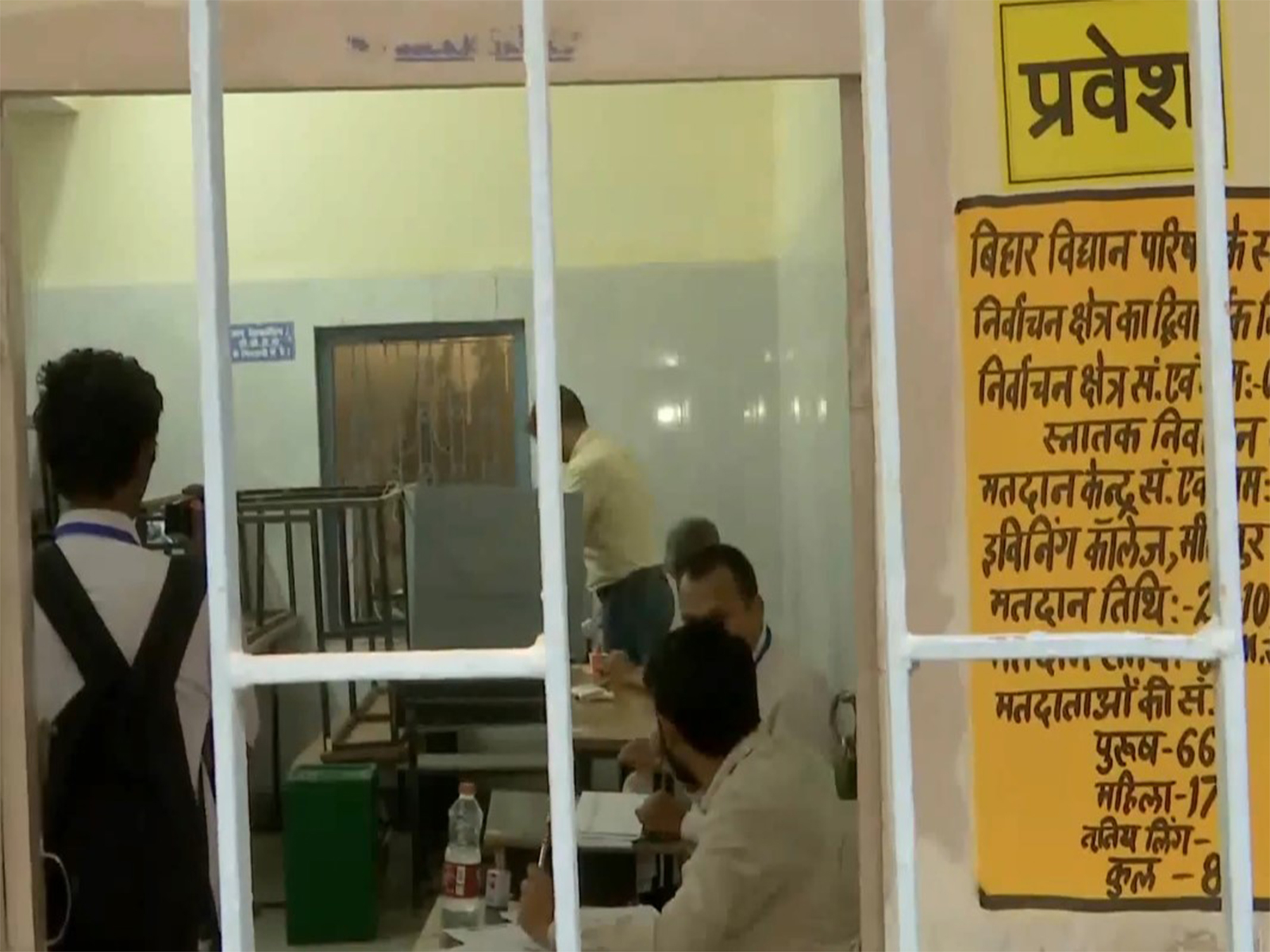
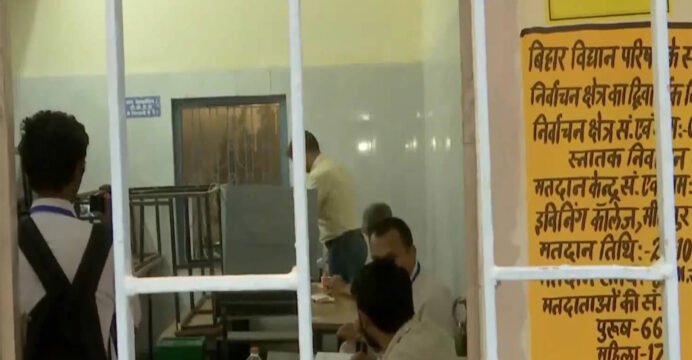
New Delhi [India], October 27 (ANI): The political temperature is soaring across northern India as vote counting is underway for 19 Legislative Council (MLC) seats spanning Bihar and Uttar Pradesh.
Featuring high-voltage graduate and teacher constituencies, this electoral battleground is defined by chaotic multi-cornered fights, brutal floor-crossing, internal party rebellions, and fractured opposition alliances that could foreshadow upcoming state assembly dynamics.
In Bihar, the battle covers 8 seats—four graduate constituencies (Patna, Darbhanga, Tirhut, Kosi) and four teacher constituencies (Patna, Darbhanga, Tirhut, Saran)—with the terms of eight sitting MLCs concluding on November 16.
The ruling National Democratic Alliance cleanly divided the eight seats down the middle, with the BJP and JD(U) fielding four candidates each. BJP’s incumbent heavyweights seeking re-election include Nawal Kishore Yadav (Patna Teachers), NK Yadav (Kosi Graduates), and Sarvesh Kumar (Tirhut Graduates), alongside Narendra Kumar Singh (Tirhut Teachers). JD(U) is locking down the remaining four.
The opposition alliance has imploded into "friendly fights" over overlapping turf, with the RJD contesting 6 seats and Congress pressing forward in 5, alongside a lone CPI candidate.
Prashant Kishor’s Jan Suraaj Party has plunged into all eight seats as a formidable third force, attempting to disrupt traditional caste lines by promising 10,000 local jobs per winning constituency. Jan Suraaj altered its roster late, fielding Shyam Nandan Yadav in Tirhut Teachers and Mohammad Imtiyaz (Noorani) in Darbhanga Graduates.
The crown jewel of the Bihar polls is the Patna Graduates seat, where veteran JD(U) nominee Neeraj Kumar—a former minister and close aide to former CM Nitish Kumar—is fighting for his fourth consecutive term.
The race descended into chaos due to an open internal rebellion. Expelled JD(U) heavyweight and Mokama MLA Anant Singh openly endorsed Jan Suraaj candidate Anuj Singh against his own party’s nominee. The backlash was swift: the JD(U) expelled both Anant Singh and his wife, Neelam Devi, for six years. Unfazed, a defiant Anant Singh declared the JD(U) "finished" and announced plans to launch his own political party.
In Uttar Pradesh, the battleground covers 11 high-stakes seats—five graduate divisions (Lucknow, Varanasi, Agra, Meerut, Allahabad-Jhansi) and six teacher divisions (Lucknow, Varanasi, Agra, Meerut, Bareilly-Moradabad, Gorakhpur-Faizabad)—serving as a major test of organisational strength ahead of the state assembly elections.
The BJP has locked horns with Akhilesh Yadav’s Samajwadi Party (SP) by fielding candidates across all 11 constituencies. Notable BJP candidates include Kedar Nath Singh (Varanasi Graduates), Dinesh Goel (Meerut Graduates), Ashok Kumar Rathore (Allahabad-Jhansi Graduates), and Dr. Pramod Mishra (Varanasi Teachers).
The contest has been severely disrupted by local factions and denied ticket-seekers who defected or found backing from the opposition. For instance, in Varanasi Graduates, Kedar Nath Singh faces fierce competition from SP’s Ashutosh Sinha.
Capitalising on internal friction, the SP strategically inducted and fielded former BJP ticket-seekers—such as Dr Sanjayan Tripathi in the Gorakhpur-Faizabad Teachers seat and Akash Agarwal in Agra—pitting them directly against official saffron nominees.
With votes being tallied, these 19 seats represent much more than legislative positions. They serve as a referendum on ruling-party dominance, a stress test for opposition coalition unity, and a high-risk proving ground for independent insurgencies like Jan Suraaj and bitter internal rebels. (ANI)
