

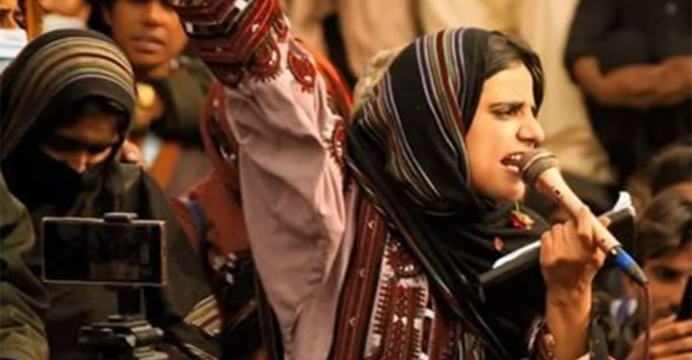
Activist Mahrang Baloch condemns crackdown on protesters in PoJK
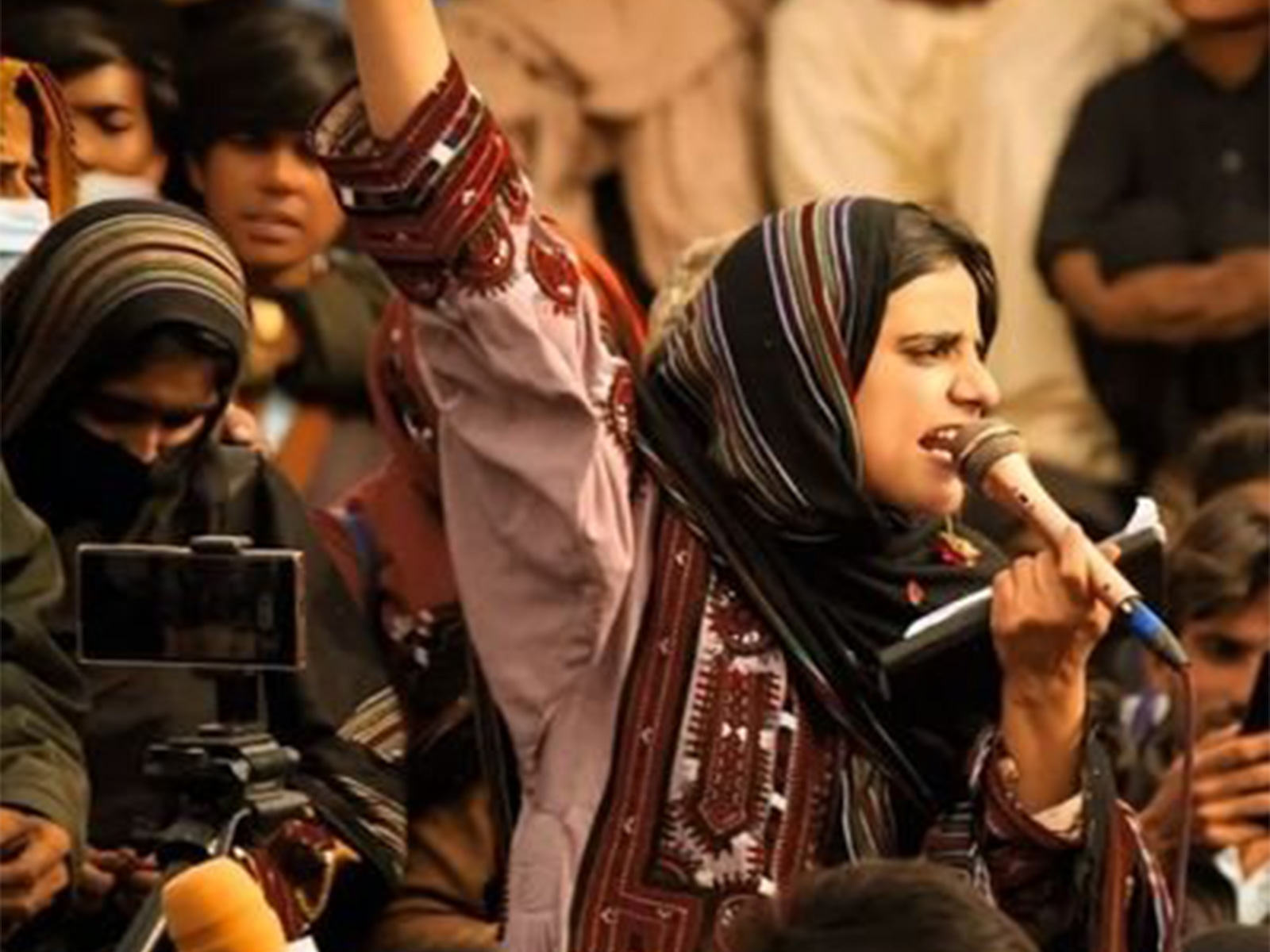
Balochistan [Pakistan], June 11 (ANI): Prominent Baloch rights activist Dr Mahrang Baloch has strongly condemned what she described as state violence against peaceful protesters in Pakistan-occupied Jammu and Kashmir (PoJK), expressing solidarity with demonstrators demanding rights, justice, and dignity.
In a statement shared on X, Dr Baloch criticised the government's decision to ban the Joint Public Action Committee (JAAC), arguing that the move reflected a broader pattern of suppressing political freedoms and democratic expression. She said that democratic societies address disagreements through dialogue and political engagement rather than through bans, arrests, and the use of force.
Drawing parallels between the situation in PoJK and developments in Balochistan, Dr Baloch asserted that communities across Pakistan's peripheral regions face similar challenges when raising demands related to rights, identity, and justice. She claimed that peaceful political movements are often met with coercive measures and attempts to discredit activists.
"The distance between Balochistan and Kashmir may be vast, but the pain, wounds, and aspirations for justice are the same," she stated, expressing support for injured protesters, bereaved families, and those allegedly subjected to state repression.
Dr Baloch also linked the situation in Kashmir to the experiences of the Baloch Yakjehti Committee (BYC), which she said has faced restrictions and state pressure. According to her statement, authorities have historically responded to political demands in regions such as Balochistan, Khyber Pakhtunkhwa, Sindh, Pakistan-occupied Gilgit-Baltistan (PoGB), and PoJK through force rather than meaningful dialogue.
She further alleged that governments often seek to ignore, stigmatise, restrict, and ultimately suppress public movements. While such measures may create fear temporarily, she argued, they fail to eliminate demands for justice and accountability.
The activist expressed solidarity with families of missing persons, political activists, and communities affected by violence and insecurity across the country. She emphasised that her struggle, and that of many others, is rooted in demands for human dignity, equality, democratic rights, and national self-determination. (ANI)
