

ABVP submits recommendations on examination reforms to High-Powered Task Force
New Delhi [India], September 14 (ANI): The Akhil Bharatiya Vidyarthi Parishad (ABVP) has submitted a comprehensive set of recommendations on examination reforms to Nandan Nilekani, Chairman of the High-Powered Task Force.
ABVP has called for major competitive examinations, including NEET, to be made more transparent, secure, reliable and student-friendly. To understand the concerns of students and experts, ABVP organised round-table conferences in Pune, Nagpur, Bhopal, Delhi, Chandigarh and South Bihar. Based on these consultations, ABVP has prepared recommendations covering immediate, medium-term and long-term reforms in the examination system.
A key recommendation is to conduct major competitive examinations in two stages- the first for shortlisting candidates and the second for final selection. ABVP has also suggested exploring the feasibility of conducting NEET twice a year, with the better score being considered, while reducing excessive dependence on a single examination.
Other recommendations include greater use of computer-based examinations, stronger question-paper security, uniform national standards for examination centres, robust candidate verification and data protection, transparent systems for answer keys, normalisation and tie-breaking, and clear protocols for technical or administrative failures, including re-examination wherever necessary.
ABVP has further proposed independent security and process audits, a national question bank, digital evaluation, an integrated examination management system and a central examination dashboard. For long-term reform, it has called for better coordination between curriculum, teaching, assessment and entrance examinations, stronger institutional learning to reduce dependence on coaching, career counselling, competency-based assessment and phased implementation of major reforms through pilot projects, reviews and independent audits.
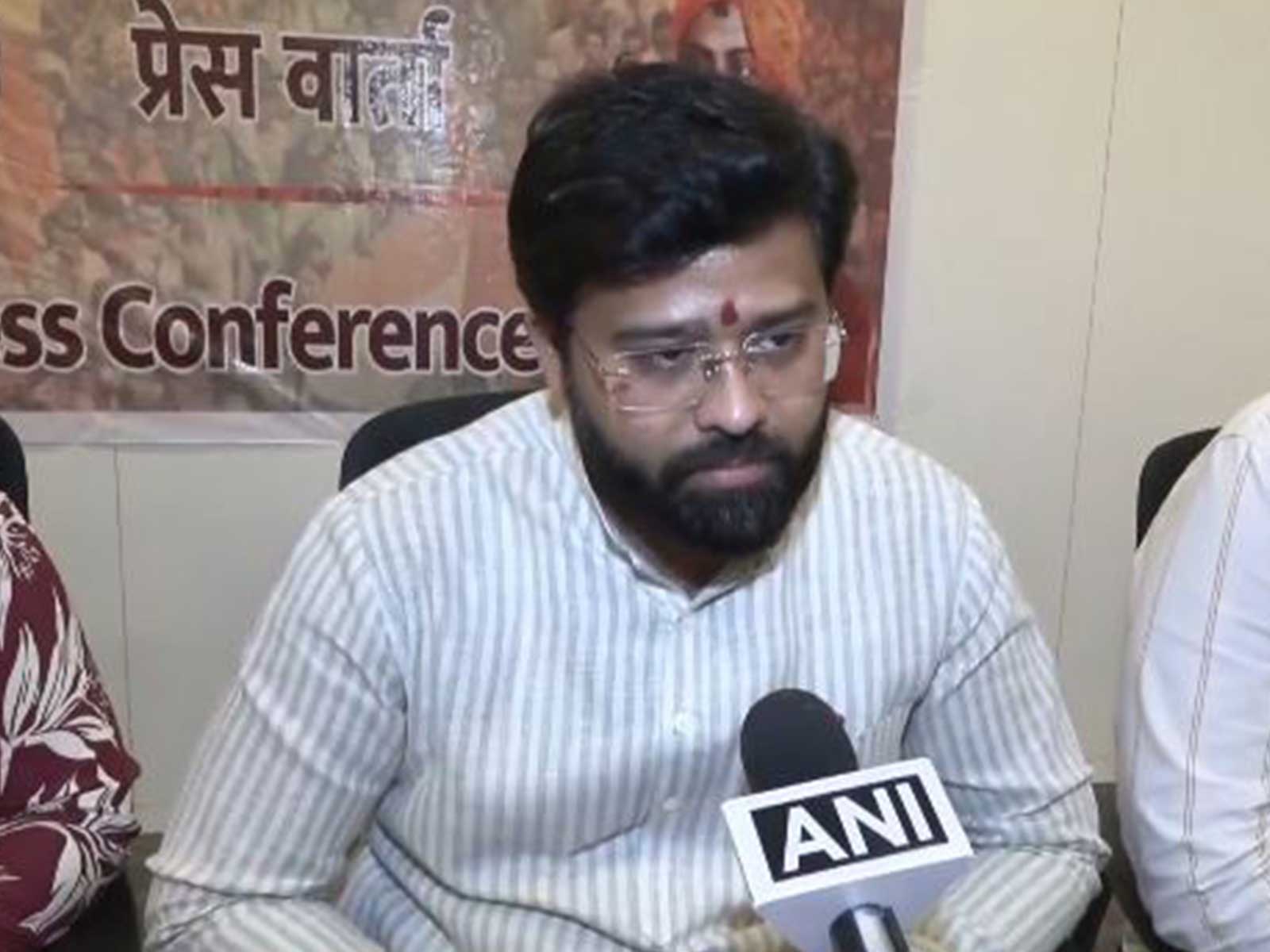
Virendra Singh Solanki, National General Secretary of ABVP, said, "Students should be able to compete based on their knowledge and hard work, not be made to bear the consequences of gaps in the examination system. Our recommendations focus on making the entire process from registration and examination to evaluation and selection more transparent, secure and accountable. A two-stage examination model can make the selection process more systematic while reducing the pressure associated with a single high-stakes examination.
"We have placed both immediate solutions and long-term reforms before the High-Powered Task Force. If invited for further discussions, ABVP is ready to present practical models for implementing these recommendations. The larger objective is clear: every student must get a fair and equal opportunity, and the examination system must earn and retain the trust of students and society," he added. (ANI)
