

Rural India Is Changing. So Must the Way Brands Speak to It
VMPL
Mumbai (Maharashtra) [India], October 22: A cab driver who knows his CIBIL score may not seem unusual today. For marketers trying to understand consumer behaviour beyond metros, it reflects a larger shift in financial awareness and access to information.
Shefali Khalsa, Sr. Director & Head of Marketing and PR, TransUnion CIBIL, recalled such an encounter at the Rural Marketing Summit 2026 in Mumbai. The driver understood his credit score and what it meant for his ability to access credit. It was a small example of how consumers are now engaging with information to make informed choices.
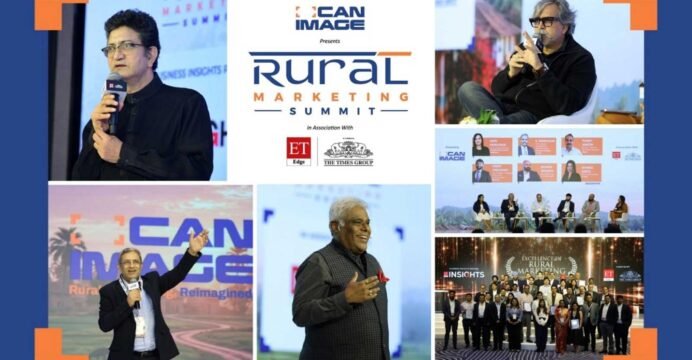
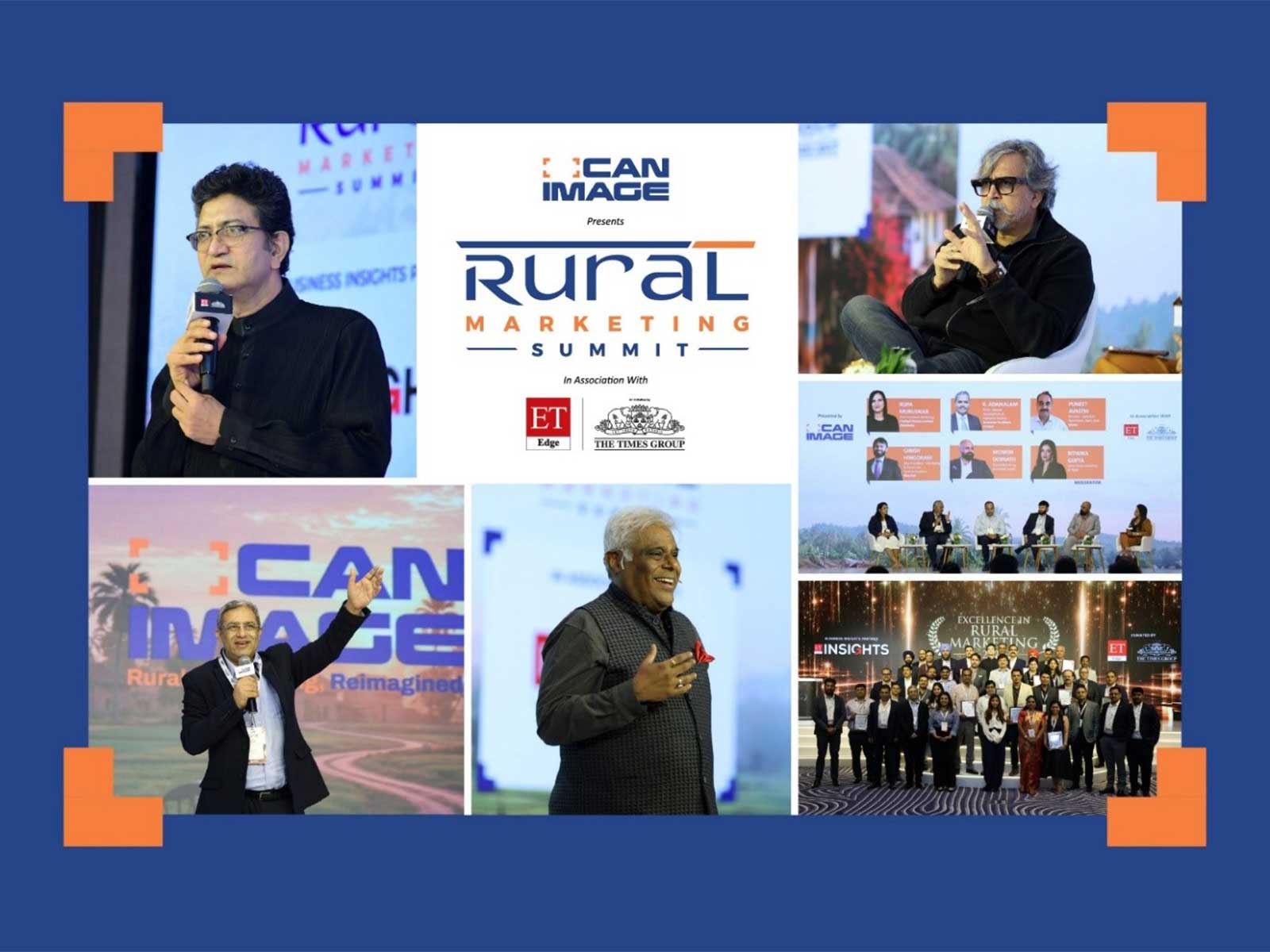
The story was one of several observations shared at the summit, presented by Can Image, a rural advertising and digital wall printing company.
“The Power of Presence” was the theme of the September 28th event, with discussions going beyond advertising visibility to explore the rural-urban distinction and its impact in semi-urban cities with increasingly informed choices.
The Rural and The Urban Divide
Fevicol, as a brand has kept its advertising voice consistent, even though its stories have changed over the years, In a refreshing keynote, Prasoon Pandey, Co-founder & Director, Corcoise Films imprinted the thought that everyday conversations, ordinary situations and the way people behave can offer creative material that is easily missed.
Rohit Arora, Director – Strategy, Can Image Media Tech, questioned the distinction that marketers continue to draw between rural and urban audiences, with digital media now part of rural consumers' lives, he argued that brands need to think about how their communication works across screens and physical spaces.
“Rural India is not a separate audience, and brands that treat it as one risk losing the trust they work hard to build,” said Mr. Arora. “Presence in rural markets has to be consistent, accountable and measurable, which is why every campaign we run is verified wall by wall.”
Aspiration Is Not Limited by Geography
The panel discussion, “The New Growth Map: Winning Consumer Trust Across Rural India”, offered several perspectives on changing consumer expectations.
Shefali Khalsa's anecdote about financial awareness was one example. For businesses operating in smaller towns and rural markets, consumers' growing familiarity with credit, digital services and financial products has implications for how brands communicate with them.
Prashant Choudhari, Head – Marketing, Fino Payments Bank, highlighted aspiration and premiumisation as important features of today's rural market. Purchasing decisions, he suggested, cannot always be explained by affordability alone.
Pushkal Upadhayay, AVP – Crop Solutions & Services, Agri Solutions, Deepak Fertilisers and Petrochemicals, spoke about three considerations that influence rural consumers: affordability, aspiration and value.
For V. Kaushik Vedula, Vice President Marketing - India and South Asia (INSA), Castrol India, the relationship between affordability and aspiration was equally important. Consumers in smaller markets may be conscious of price, seeking products and experiences that reflect their evolving aspirations.
There Is No Single Rural Consumer
The question of diversity within rural markets continued during “More Than a Billboard: Innovative Media Strategies for Rural India”.
A consumer's address is only one part of a much broader story. This is the highlighting thought that Rupa Murudkar, Vice President Marketing, Cholayil Private Limited (Medimix), put forward, inviting dialogue on the tendency to treat rural India as a single consumer category.
While in the same panel, K. Adaikalam, DGM, Market Development & Customer Service, Greenstar Fertilizers, broached the subject on the active involvement of rural buyers, ultimately landing on the message that they too, assess products, compare alternatives and decide what suits their needs like their urban counterparts.
The spotlight settled next on to Puneet Avasthi, Director - Specialist Businesses, South Asia, Kantar, who emhpasised on the importance of looking beyond market averages to understand the diverse opportunities within rural India.
The discussion also extended to categories traditionally associated with more affluent urban buyers.
Girish Hingorani, Vice President, Marketing (Unitary Cooling Products Group) & Corporate Communications, Blue Star, brought in the perspective of consumer durables, pointing to demand for premium and aspirational products in semi-urban cities.
The age-old assumption of rural advertising needing to be simple was challenged by Monish Debnath, Brand Marketing & Growth Leader. He took to the conversation about the informed consumers of today and the tug-of-war between conventional and modern ideas brands use to address them.
What Works in One Region May Not Work in Another
The Guest of Honour, Ashish Vidyarthi, National Award-Winning Actor, took to his travel stories across India, and drew them as a lesson to experience how much can change from one region to another.
His session invoked those experiences taking on a broad discussion about local food, festivals, customs and the small details of everyday life that distinguish communities.
Vidyarthi's observations drew the bridge between brands’ cultural understanding and their effort into translating it into multilingual national campaign.
Prasoon Joshi, Chairman, Prasar Bharati India & Omnicom Advertising India, also questioned the assumptions through which rural communities are often viewed.
His keynote urged marketers to realize an important mindset shift, to move away from thinking of rural areas as “jugaad”. He argued that creativity, intelligence and aspiration are not confined to particular geographies, highlighting the growing awareness of their purchasing choices and preferences, and the need for marketers to recognise and respond to them.
An Evening of Rural Marketing Excellence
The evening culminated with the recognition ceremony: Excellence in Rural Marketing, which formed part of the summit and drew the spotlight on organisations for their contributions to rural marketing and brand engagement.
Here’s What It Takes to Stay Relevant
The conversations that took place throughout the evening cemented one powerful thought: Consistency Wins in Rural India.
Now, for brands, the question is not simply how to reach these markets, but to understand the people that they are reaching, and also if their communication reflects that understanding.
Because, being seen matters, but giving people a reason to remember matters more.
About Can Image
Can Image is a rural advertising company and the rural engagement service brand of CAN Image Media Tech Pvt Ltd, headquartered in Mumbai. It runs digital wall printing campaigns across rural and semi-urban India using its patented Digital Wall Printing Media, a water-activated, plastic-free and PVC-free film that converts to print on the wall surface.
Can Image manufactures the media, prints creatives and applies them on the ground through its own field network, with every installation GPS-tagged and photographed for verification. [Its clients include Coca-Cola, Cadbury, Nestle, HUL, UPL, Reckitt and J&J.]
For more information, visit canimage.com.
(ADVERTORIAL DISCLAIMER: The above press release has been provided by VMPL. ANI will not be responsible in any way for the content of the same.)
