


Govt plans major agrivoltaics programme under next phase of PM-KUSUM: Pralhad Joshi
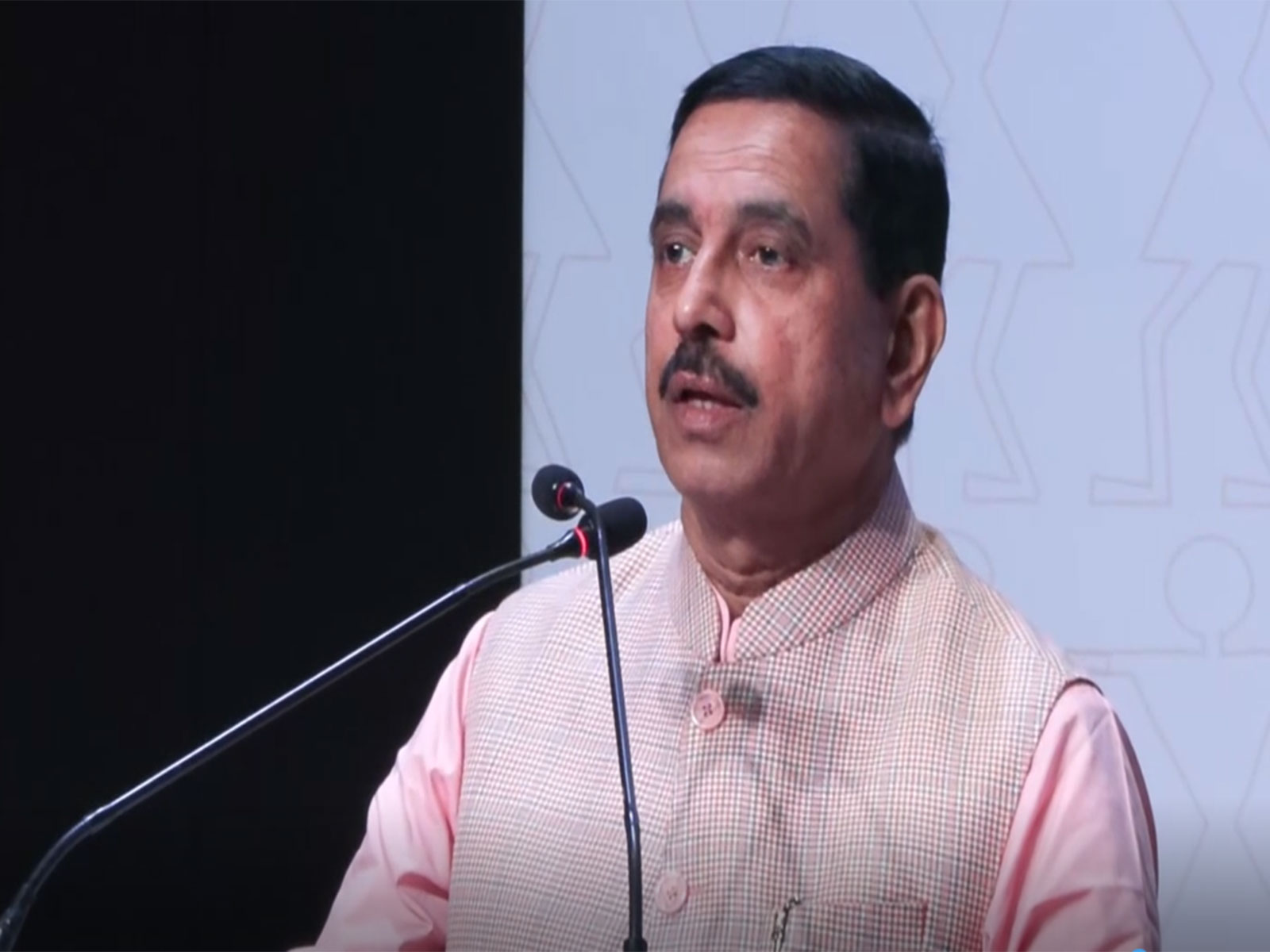
New Delhi [India], October 21 (ANI): The government is planning to launch a major agrivoltaics programme under the next phase of the PM-KUSUM scheme, aimed at allowing farmers to generate solar electricity while continuing agricultural activities on the same land, Union Minister for New and Renewable Energy Pralhad Joshi said on Wednesday.
Addressing the seventh AGRIVoltaics Conference at Bharat Mandapam in New Delhi, Joshi said the government is exploring ways to expand solar power generation without affecting agricultural production, particularly as demand for land increases across sectors.
"We will be launching one of the world's most ambitious agrivoltaic programs under the next phase of PM Kusum. That is also we are planning," Joshi said.
Agrivoltaics involves installing solar panels above agricultural land, allowing farmers to grow crops underneath while generating electricity. The approach could help address the competing demand for land from agriculture and renewable energy projects.
Joshi highlighted that nearly 85 per cent of India's farmers are small and marginal farmers, making it difficult to divert agricultural land exclusively for electricity generation.
He said agrivoltaics could help address this challenge by allowing farming and solar power generation to take place together.
Citing estimates, the minister said around 47.5 million hectares, or nearly 30 per cent of India's 160 million hectares of cropland, are technically suitable for agrivoltaics.
Maharashtra, Rajasthan, Andhra Pradesh, Madhya Pradesh, Karnataka and Uttar Pradesh together account for nearly 50 per cent of the country's estimated agrivoltaic potential, he said.
"Field studies suggest that the suitable system can improve yields by 10 to 20%," Joshi said, highlighting the potential agricultural benefits of such installations.
However, the minister acknowledged that higher installation costs remain a major challenge to expanding agrivoltaics.
"Agri PV plants can cost around 25 to 30% more than the conventional ground mounted solar," he said.
Joshi explained that elevated solar structures require additional infrastructure, increasing project costs compared with conventional ground-mounted solar installations.
He said electricity generation from agrivoltaic systems could cost around Rs 3.20 to Rs 3.30 per unit, compared with approximately Rs 2.50 to Rs 2.60 per unit for conventional ground-mounted solar projects.
The minister stressed the need to address this cost difference to make agrivoltaics commercially viable on a larger scale.
He also indicated that costs could decline as the technology is deployed at scale, similar to the reduction witnessed in conventional solar power tariffs over the years.
The proposed programme could expand the role of farmers in renewable energy generation while helping India balance its growing electricity demand with the need to protect agricultural land.
However, Joshi did not specify a launch timeline, financial allocation or capacity target for the proposed programme. (ANI)
