

RBI flags elevated AI-related asset valuations among key downside risks to global economy
Mumbai (Maharashtra) [India], October 7 (ANI): The Reserve Bank of India has flagged elevated valuations of artificial intelligence-related assets as one of the key downside risks to the global economic outlook, alongside geopolitical tensions, tighter global financial conditions and high public debt.
In its Monetary Policy Statement for 2026-27, the RBI said the global economy has remained resilient, but the re-escalation of the West Asia conflict and volatility in crude oil prices have kept the global economic environment uncertain.
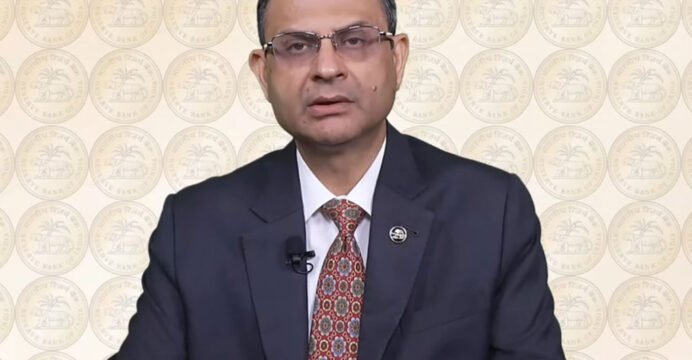
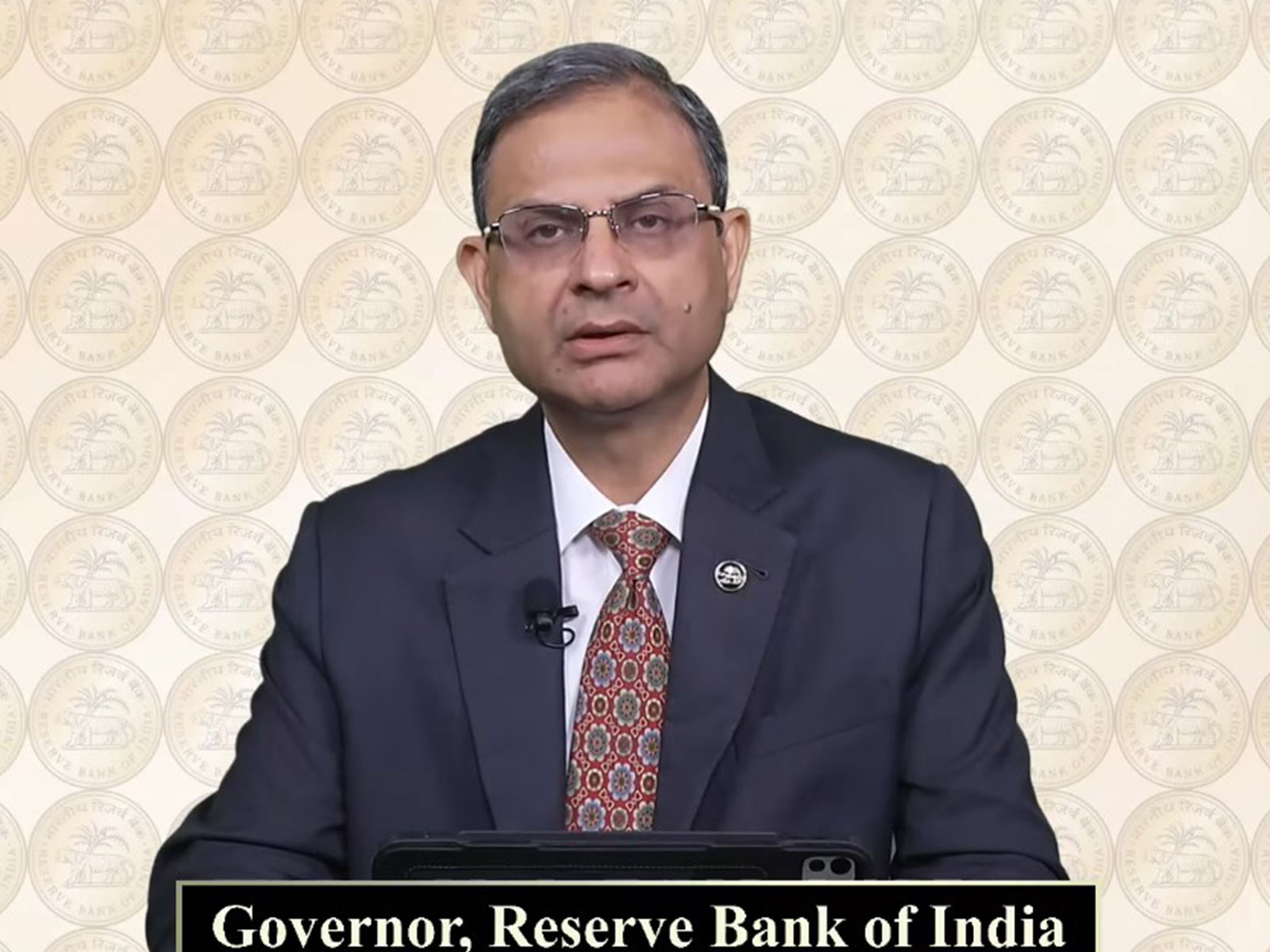
Governor said, “With a resolution of the West Asia conflict remaining elusive, significant downside risks to the global outlook remain, including further tightening of global financial conditions, continuing elevated AI-related asset valuations and high public debt”.
The RBI's reference to AI-related asset valuations comes as part of its broader assessment of risks to global financial and economic conditions. The central bank also said the resolution of the West Asia conflict remains elusive, adding to uncertainty around the global outlook.
The central bank also noted that inflation has accelerated in key economies, prompting a shift towards tighter monetary policy. The US Federal Reserve raised its policy rate by 25 basis points in September, while rate tightening by other major systemically important central banks has also strengthened expectations of higher global policy rates.
Despite these risks, the RBI said the Indian economy has remained resilient. According to National Statistics Office estimates, real GDP growth in Q1 of 2026-27 stood at 7.8 per cent, higher than expected.
Strong private consumption and fixed investment, a rebound in merchandise exports and sustained growth in services exports supported economic activity, the RBI said. On the supply side, manufacturing grew at a robust pace, while services activity strengthened on the back of domestic and external demand.
The central bank said available high-frequency indicators for July-August suggest that domestic economic activity has maintained momentum in Q2. Domestic demand remains resilient and is supported by robust external demand, with merchandise exports registering double-digit growth.
However, the RBI cautioned that global economic uncertainty could continue to affect domestic activity. Energy prices and supply chain pressures remain uncertain amid the West Asia conflict.
The central bank said the adverse impact of these pressures is being contained through active diversification of supply sources.
Domestic risks are also present. The RBI said a deficient southwest monsoon and strong El Niño conditions pose risks to agriculture and rural demand, although healthy foodgrain buffers and proactive government interventions are expected to reduce the impact.
At the same time, continuing momentum in services and broadly stable employment conditions are expected to support urban demand. Strong capacity utilisation, robust credit flows and the government's infrastructure push are expected to sustain investment activity.
The central bank revised the country’s growth projections for 2026-27 to 7.1 per cent from 6.6 per cent, with Q2 growth at 7.2 per cent, Q3 at 6.9 per cent and Q4 at 6.8 per cent.
RBI also raised concerns over inflation pressures, saying headline CPI inflation is expected to average almost 5.8 per cent over the next three quarters, while core inflation is projected at 4.4 per cent for 2026-27.
The RBI said the Indian economy remains resilient, but the combination of global financial tightening, geopolitical uncertainty, commodity price pressures and elevated AI-related asset valuations could shape the global economic environment in the period ahead. (ANI)
