

Toronto is ready to welcome Mohan Bhagwat: opposition to his visit baseless
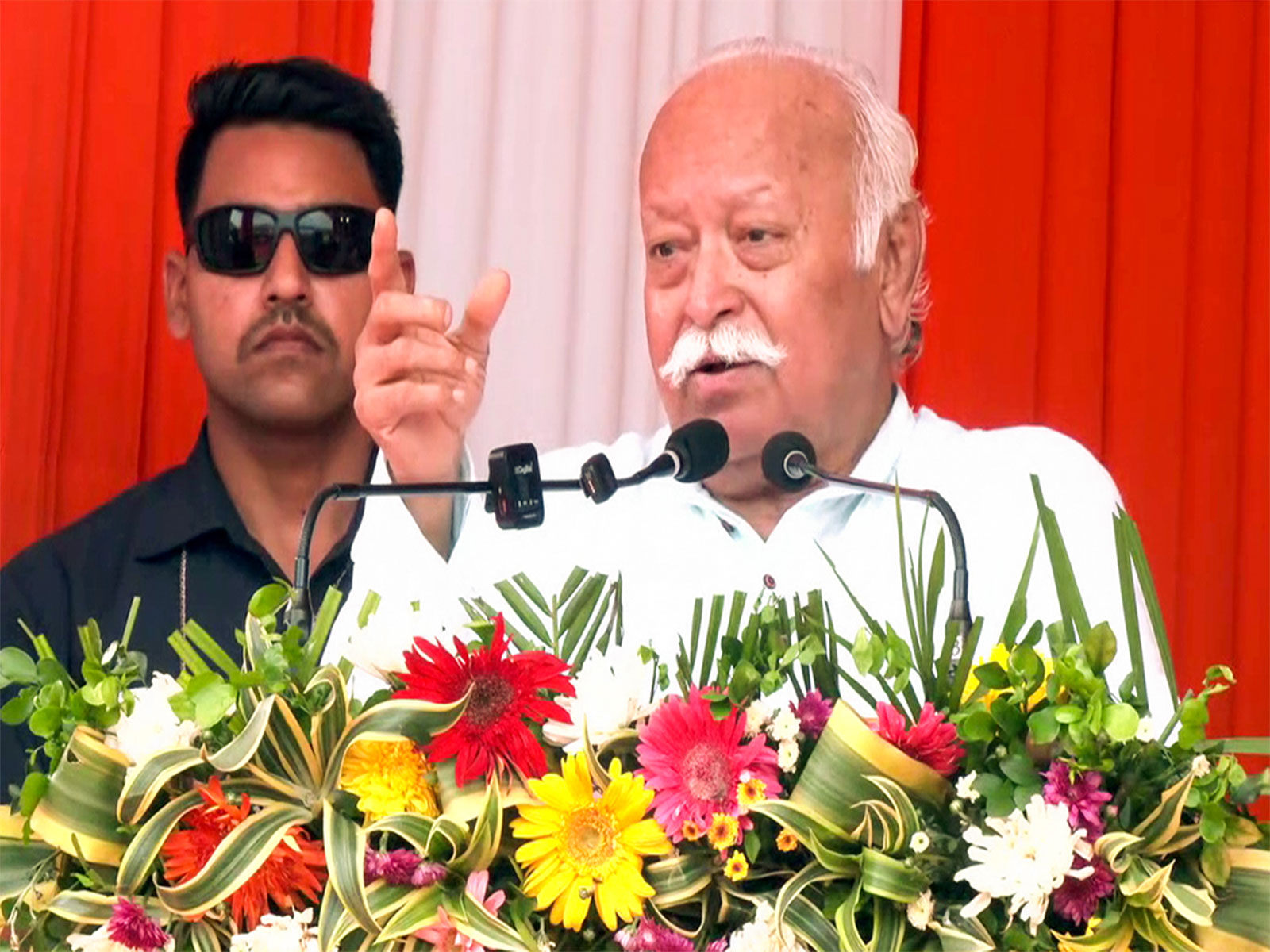
Toronto [Canada], August 11 (ANI): More than a million Canadian Hindus are excited to welcome RSS Chief Mohan Bhagwat to Toronto at the end of August 2026. Sadly, NDP MPs Jenny Kwan and Heather McPherson have written to the Canadian government asking that Mr. Bhagwat be denied entry to Canada.
The question is: why are MPs representing ridings in British Columbia and Alberta intervening in an event taking place in the Greater Toronto Area, thousands of kilometres away from their constituencies? Their intervention raises legitimate questions about the motivations behind their letter and whether it reflects an unfair or prejudicial attitude toward Canadian Hindus and their spiritual and cultural traditions.
The NDP's former leader, Jagmeet Singh, has long advocated for a tougher approach toward India, which critics have attributed, at least in part, to his personal grievances involving India. However, Canadians have already experienced the economic consequences of strained Canada-India relations, including significant disruptions to trade and business ties.
MPs McPherson and Kwan have opened a Pandora's box of allegations against Mohan Bhagwat. In their letter, they reportedly asked the Canadian government to declare Mr. Bhagwat inadmissible to Canada on the grounds of his alleged "history of hate speech, advocacy of violence against religious minorities, targeted intimidation of critics in India and in Canada, and his association with criminal organizations and listed terrorist organizations."
These are extremely serious allegations. Can the MPs provide substantial and verifiable evidence to support each of these claims? Where is the evidence of Mr. Bhagwat's alleged "hate speech," his supposed advocacy of "violence against religious minorities," his alleged "targeted intimidation" of critics in India and Canada, or his purported "association with criminal organizations and listed terrorist organizations"?
Such serious accusations require equally serious evidence. If the MPs cannot provide credible evidence to substantiate these allegations, should they not reconsider their statements and, if necessary, apologize to Canadians in general and Canadian Hindus in particular for making sweeping and potentially defamatory claims?
The MPs have also argued that Mr. Bhagwat's presence in Canada could lead to "social disorder" and pose a danger to Canadians who are already subject to intimidation, transnational repression, and threats of violence.
But what evidence demonstrates that Mohan Bhagwat or the RSS has caused social disorder in Canada? What specific incidents are being cited to establish that Mr. Bhagwat's visit would create a threat to public safety? Canadians deserve evidence rather than speculation when such extraordinary claims are made by elected representatives.
The NDP MPs also referenced the murder of Canadian citizen Hardeep Singh Nijjar and allegations involving senior Indian leadership.
However, public statements by Canadian law-enforcement officials concerning the Nijjar investigation should be carefully distinguished from political allegations. In an interview with CBC's Power & Politics in July 2026, RCMP Deputy Commissioner Lisa Moreland reportedly stated that nothing had emerged at that point to link the Indian government to the operation.
This does not diminish the seriousness of the Nijjar investigation. Rather, it underscores an important principle: allegations involving individuals, organizations, or governments should be based on evidence and due process.
Despite this, the NDP MPs continued to characterize Mohan Bhagwat as the head of a "fascist" organization and reiterated their party's call for the RSS to be banned in Canada and placed on the terrorist-entities list.
They wrote that the New Democrats have "long called on Canada to ban the RSS from Canada, place the RSS on the terrorist entities list, and impose sanctions on connected networks."
This raises another legitimate question: What evidence establishes that the RSS meets the legal threshold for designation as a terrorist organization under Canadian law?
The RSS should not be casually equated with internationally recognized terrorist organizations such as al-Qaeda or ISIS without evidence demonstrating comparable conduct. Similarly, allegations involving extremist or terrorist-linked groups in Canada should be addressed through evidence and the rule of law, rather than political rhetoric.
The RSS has not been established through Canadian legal proceedings as an organization responsible for transnational acts of violence in Canada. Its supporters describe it primarily as an organization engaged in social service, community activities, cultural work, and intellectual and political discourse rooted in Hindu civilization.
If the organization is to be accused of terrorism or transnational violence, Canadians have a right to see credible evidence supporting such claims.
Toward the end of their letter, the NDP MPs criticized the Liberal government for what they described as its increasingly close relationship with the Modi government. They argued that this has caused members of several minority communities in Canada to feel that their concerns and safety no longer matter to the government.
That argument deserves scrutiny as well.
Have Canadian Sikhs and Muslims etc., been presented with evidence that the presence of Mohan Bhagwat in Canada would endanger their community? Is there evidence that RSS followers and supporters in Canada have posed a security threat to Canadian citizens?
Canada has unfortunately witnessed incidents of violence and intimidation affecting members of many communities, including Jews, Christians, Hindus, Sikhs and Muslims in the hands of extremist Islamists and violent Khalistanis.
The answer to extremism, however, cannot be collective suspicion of an entire religious or cultural community. Canadian Hindus should not be treated as though welcoming a visiting Hindu leader somehow makes them a threat to Canadian society.
The MPs' intervention therefore risks reinforcing what many Canadian Hindus may perceive as Hinduphobia: the tendency to apply a different standard to Hindu organizations and Hindu leaders than is applied to other religious and cultural communities.
The MPs' final statement is even more categorical. They declared that Mr. Bhagwat's presence in Canada "would be a danger to Canadians," that "he is not welcome here," and that it is time to ban the RSS and its members from Canada.
Such sweeping assertions deserve serious examination.
Canada is built on pluralism, freedom of expression, freedom of religion, and the principle that people from diverse cultural and religious backgrounds can participate in public life. Political disagreement is legitimate. Peaceful protest is legitimate. Criticism of religious or political leaders is legitimate.
But excluding a visiting religious or cultural leader from Canada based on unsubstantiated allegations would raise serious questions about those very Canadian values.
The NDP MPs' statements may also be perceived by many Canadian Hindus as disrespectful toward the more than one million Hindus who live across Canada and particularly toward the large Hindu community in the Greater Toronto Area. They may also unintentionally contribute to divisions among Hindus, Sikhs, Muslims and other communities.
Hindus, Sikhs, Muslims, Jews, Christians and non-believers are all part of Canada's diverse social fabric. The common Canadian principle should be that every community deserves dignity, security, and equal treatment under the law.
Mohan Bhagwat has publicly spoken about humanity, social harmony, and engagement across communities. Supporters of his visit argue that his message is fundamentally about cultural identity, social service, and human unity. Whether Canadians agree with his views or not, those views should be debated openly rather than suppressed through unsubstantiated accusations.
The NDP MPs have cited support from several Canadian organizations for their position. However, political opposition from a handful of organizations cannot reasonably be presented as representing the views of all Canadians.
Despite the controversy and the opposition campaign, many Canadian Hindus remain enthusiastic about welcoming Shri Mohan Bhagwat to Canada.
Canada belongs to all of its citizens and communities. Its multiculturalism should mean that people are free to welcome their spiritual, cultural, and intellectual leaders--as long as they respect Canadian law.
If there are credible allegations against Mohan Bhagwat or the RSS, they should be presented with evidence and examined through the appropriate Canadian legal processes.
But if the allegations cannot be substantiated, political leaders should think carefully before making sweeping accusations against a visiting religious and cultural figure--or, by extension, against the millions of Canadians who identify with the Hindu tradition.
Canada needs more dialogue, not division; more evidence, not allegations; and more respect for its multicultural mosaic, not attempts to silence one community's right to welcome its own spiritual and cultural leaders. (ANI)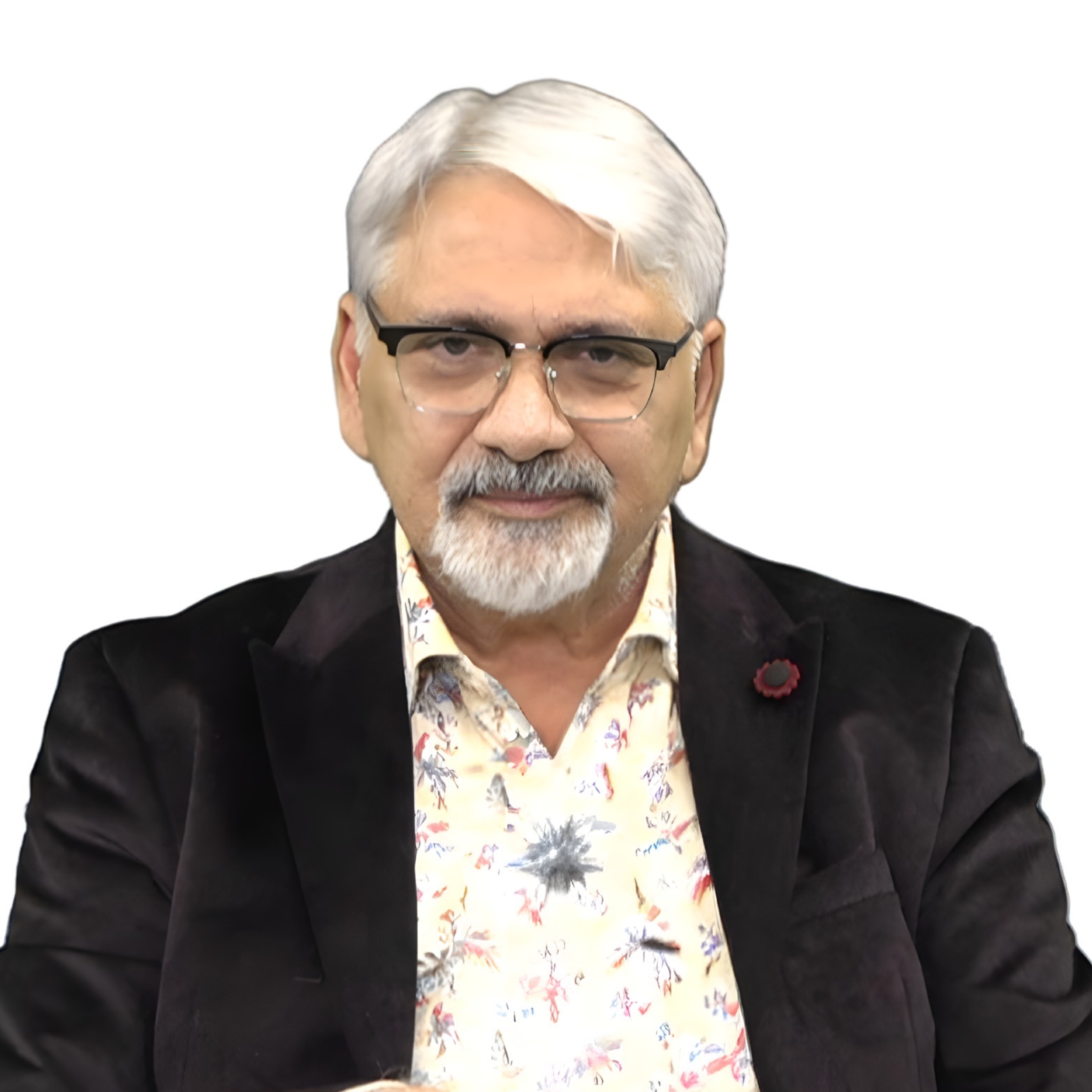
(Disclaimer: Tahir Aslam Gora is the author of "A Story of An Islamophobe Living in Trudeau's Khalistan" & "Global Village in 2026 and Beyond". Views expressed in this article are his own)
