

AI policies may need to change every few months as technology evolves: CSIR-NIScPR Director
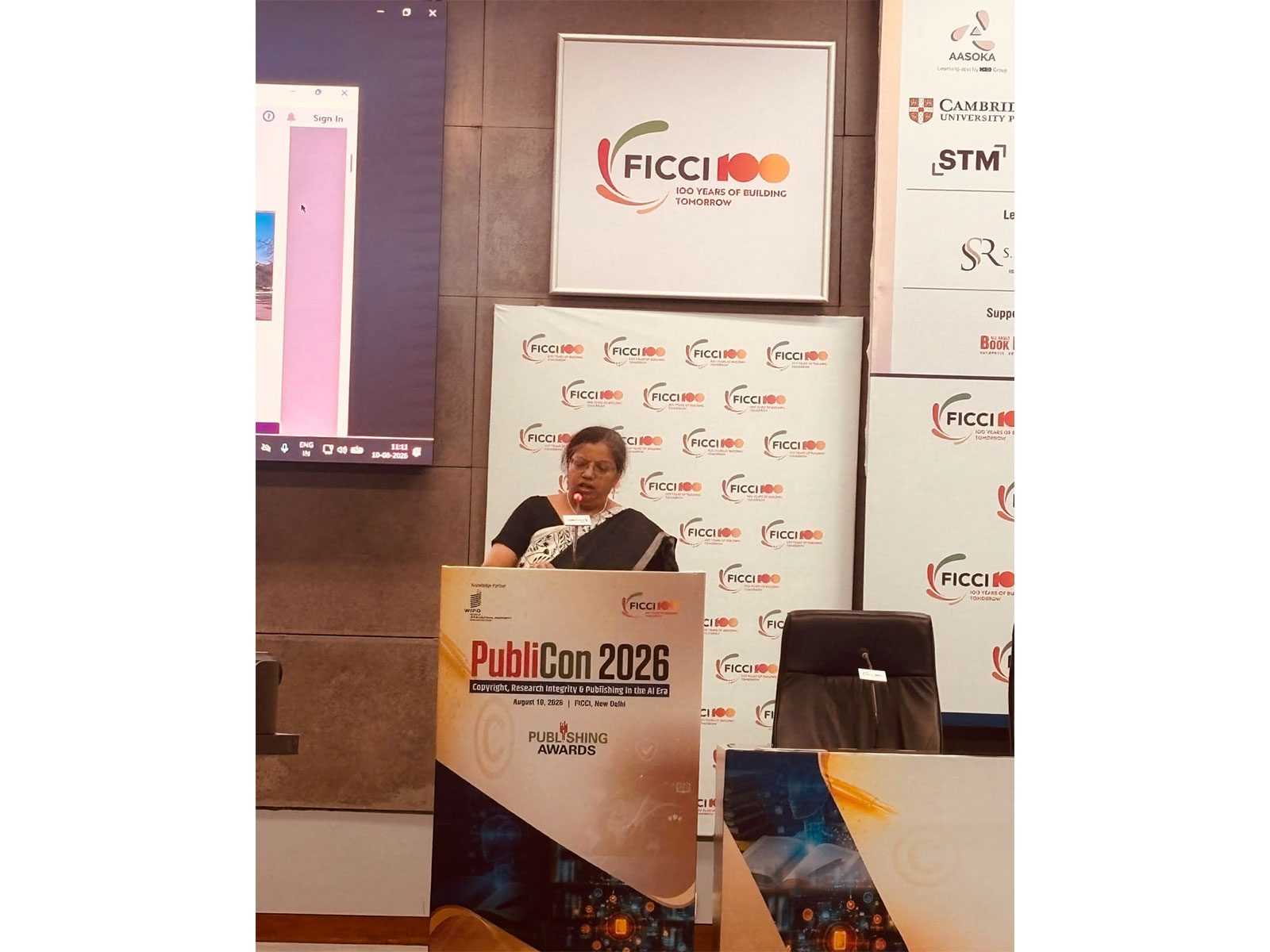
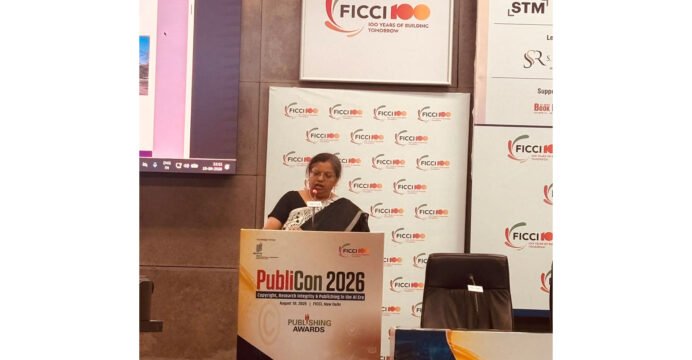
New Delhi [India], August 10 (ANI): Policies governing the use of artificial intelligence (AI) in research and publishing may need to be revised every few months as technological capabilities evolve rapidly, CSIR-National Institute of Science Communication and Policy Research (CSIR-NIScPR) Director Geetha Vani Rayasam said on Monday.
"Every day you hear about a new model coming up or a new capability. So I think we also have to evolve constantly to keep up with these changes. Our policies have to evolve," Rayasam said.
Responding to a query of ANI on the sidelines of PubliCon 2026 on "Copyright, Research Integrity and Publishing in the AI Era", organised by FICCI, she said "Earlier, you make a policy to last for many years or many decades, in fact. But now your policies may have to change every few months because the capabilities are changing."
She said the rapid pace at which new AI models and capabilities are emerging has created a need for dynamic policymaking rather than relying on guidelines designed to remain unchanged for years.
"The old way of working will not work. So I think you need this dynamic policy making and dynamic thinking," she said.
She said that while policymaking traditionally involved creating rules intended to remain in place for several years or even decades, the pace of AI development could require a fundamentally different approach. She further emphasized that the challenge is not whether AI should be used in research and publishing, but how it can be integrated responsibly while preserving human accountability.
"The question is whether to use AI or not is not the question, but how do we use it responsibly is the question," she said.
According to Rayasam, AI can assist researchers in areas such as data analysis, literature-related tasks and other research processes, but human judgement remains essential. She said the increasing use of AI also makes transparency and accountability critical in scientific publishing.
"When you use AI, you have to disclose," she said, adding that researchers using AI extensively should identify the tool used and indicate where it was employed. Basic editing through tools such as Grammarly, however, may not require the same level of disclosure.
Rayasam also highlighted the growing challenge of maintaining research integrity amid increasing AI adoption. She said AI-based tools can be used to detect plagiarism, but technology alone cannot address the problem as new methods to evade detection are also emerging.
"It's almost like a cat and mouse game," she said, referring to the continuing race between AI-based detection tools and techniques developed to bypass them.
She stressed that research integrity requires more than technological safeguards and called for greater awareness, ethics training and capacity building among students, researchers and editors.
Rayasam also pointed to the pressure created by the "publish or perish" culture in academia, saying excessive emphasis on publication numbers and journal impact factors can contribute to research misconduct.
She advocated a greater focus on quality over quantity in scientific research, while stressing that responsible AI use must be accompanied by evolving institutional policies, ethical practices and human oversight.
"Human creativity and human imagination and the judgement is important when using AI," Rayasam said. (ANI)
