

Madhya Pradesh Assembly passes Uniform Civil Code Bill
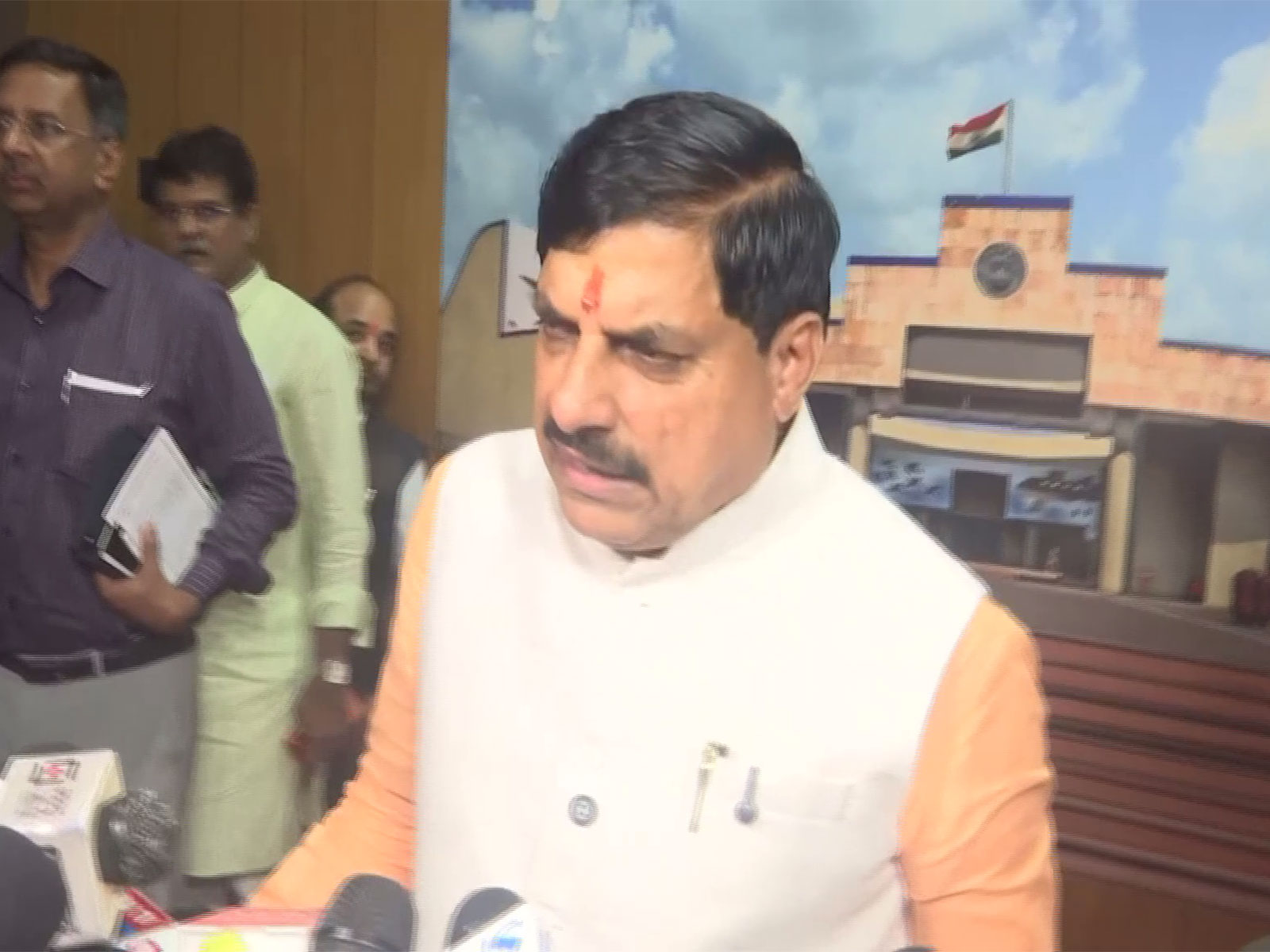
Bhopal (Madhya Pradesh) [India], July 21 (ANI): After Madhya Pradesh Assembly on Tuesday passed the Uniform Civil Code (UCC) Bill by a voice vote, Chief Minister Mohan Yadav termed it as a "golden chapter" for the state's people stating that landmark law reinforces the nation's foundational principle of 'One Nation, One Constitution, One Flag, One Leader'.
The Bill was passed thorugh voice vote despite protests from Congress MLAs who demanded the Bill be sent to a select committee and pushed for 27% OBC reservation instead.
Highlighting the historic significance of the law, Chief Minister Yadav stated that the legislation draws inspiration from national stalwarts like Bhimrao Ambedkar, Sardar Vallabhbhai Patel, and Syama Prasad Mookerjee.
"The passing of the Uniform Civil Code bill is truly a golden day for the 8.5 crore people of Madhya Pradesh... The enactment of this law in the Madhya Pradesh Legislative Assembly demonstrates our genuine commitment to the vision of 'One Nation, One Constitution, One Flag, One Leader,' championed by Dr Bhimrao Ambedkar, Sardar Vallabhbhai Patel, and Dr Syama Prasad Mookerjee... This move will liberate women from the suffering caused by polygamy and ensure government support for their rights... I wish to congratulate the entire state and ask the Congress party, 'why do they always seek to create a divide between Hindus and Muslims?'... It was precisely this flawed mindset of the Congress that led to the country's partition at the time of independence", he said.
This move will liberate women from the suffering caused by polygamy and ensure government support for their rights, Yadav emphasised.
Taking a direct swipe at the Opposition, Yadav questioned the Congress party's historical stance on civil uniformity, accusing them of engaging in divisive politics.
"I wish to congratulate the entire state and ask the Congress party, Why do they always seek to create a divide between Hindus and Muslims? It is precisely this flawed mindset of the Congress that led to the country's partition at the time of independence," he stated.
The legislation establishes a single, uniform civil framework governing personal matters across religious communities in the State.
Meanwhile, Congress MLA Jaivardhan Singh criticised the move saying the youth want a Uniform Education Code and Uniform Health Code instead.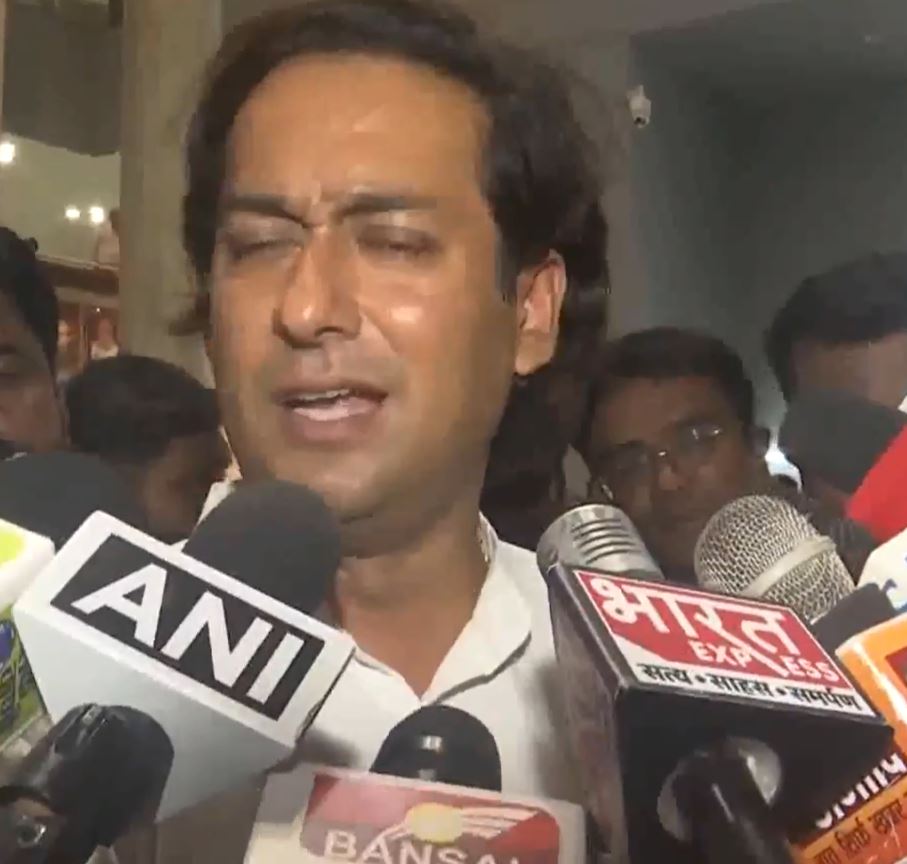
"The BJP government's conduct regarding the UCC is highly objectionable... The youth of the state and the country are saying that they do not want a Uniform Civil Code. Instead, they want a Uniform Education Code and a Uniform Health Code," Singh said.
He also questioned the need for Madhya Pradesh to implement the UCC, saying, "Does the Chief Minister lack faith in the Prime Minister and the Home Minister regarding the implementation of UCC nationwide that he is implementing it here?"
Congress MLA Arif Masood criticised the passage of the Uniform Civil Code (UCC) Bill in the Madhya Pradesh Assembly, alleging that constitutional and parliamentary norms were not being respected.
"A discussion on the amendment was held. An opportunity was provided. I put forward my proposals... However, after two hours, it became evident that there was sheer obstinacy. The Constitution is no longer being upheld, nor are parliamentary norms being respected. The sole objective was simply to get the bill passed," Masood told ANI.
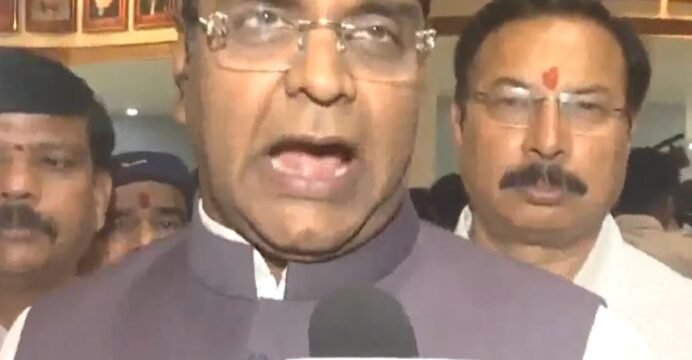
State Cabinet Minister Vishvas Sarang hailed the landmark move, emphasising that the law will ensure equality, protect women from harassment, and abolish regressive societal practices.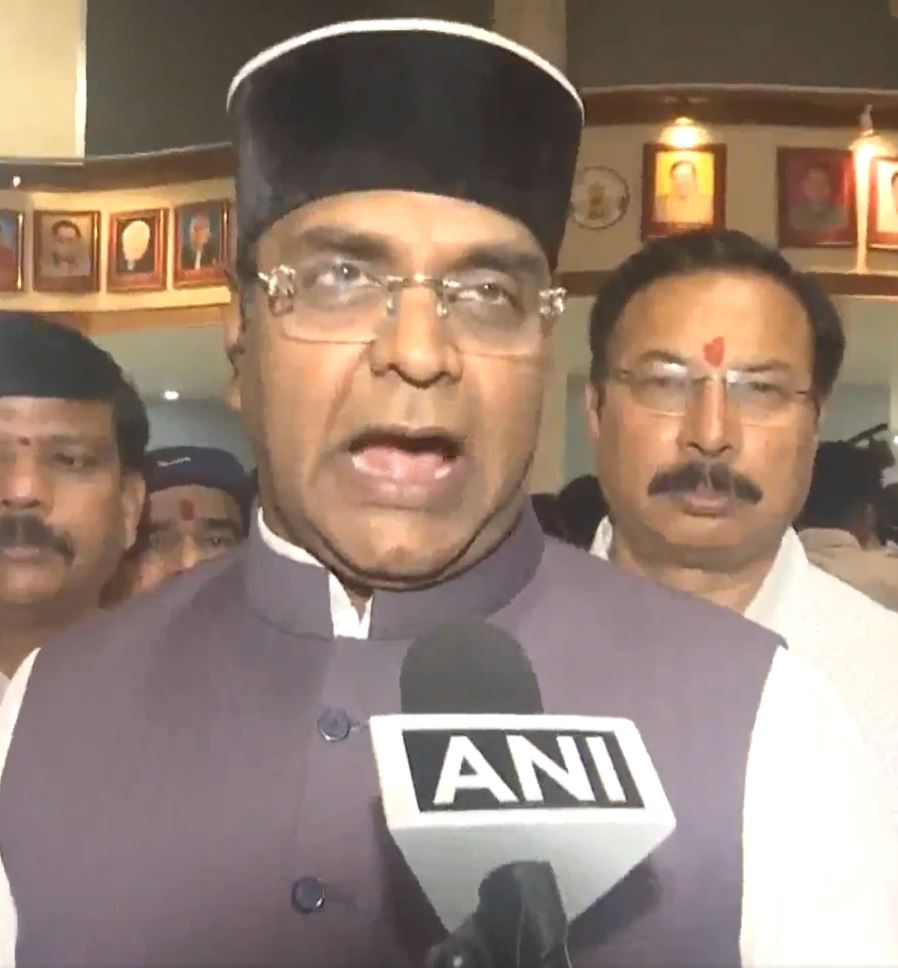
Speaking to ANI on the legislation, Sarang asserted that the new framework would bring fundamental changes to personal laws in the state.
"Women will no longer face atrocities or harassment in Madhya Pradesh," Sarang stated. "No man will be able to marry four times, and regressive practices like 'halala' will come to an end. Uniformity and equality will prevail across the state."
He further underscored that the legislation guarantees equal rights for all citizens regardless of community, aligning the state with broader national efforts toward a single, unified civil framework. (ANI)
