

Improper medical waste disposal in Pakistan raises public health concerns
Lahore [Pakistan], June 15 (ANI): Hospitals across Pakistan are facing scrutiny over the improper disposal of medical waste, a practice that experts warn could contribute to the spread of infectious diseases and environmental degradation. According to The Express Tribune, hazardous waste generated in operating theatres, emergency departments, and laboratories is reportedly ending up outside hospital premises, where it is allegedly collected and processed through unregulated recycling channels.
As reported by The Express Tribune, medical waste includes dangerous materials such as used syringes, injection needles, blood-stained dressings, intravenous fluid containers, surgical gloves, medicine vials, expired pharmaceuticals, and plastic tubing. Health and environmental regulations classify these materials as infectious waste, requiring them to be segregated at the point of generation and disposed of through approved methods such as incineration or sterilisation.
According to The Express Tribune, several major hospitals in Lahore and other cities, including Faisalabad, Rawalpindi, Chakwal, Gujrat, Bahawalpur, Narowal, Gujranwala, and Sialkot, have reportedly failed to implement adequate waste management systems. In many instances, infectious medical waste is allegedly mixed with regular garbage before being transported to municipal dumping sites or open disposal areas.
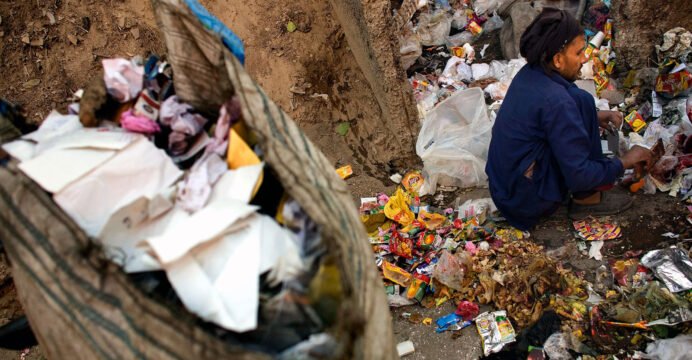
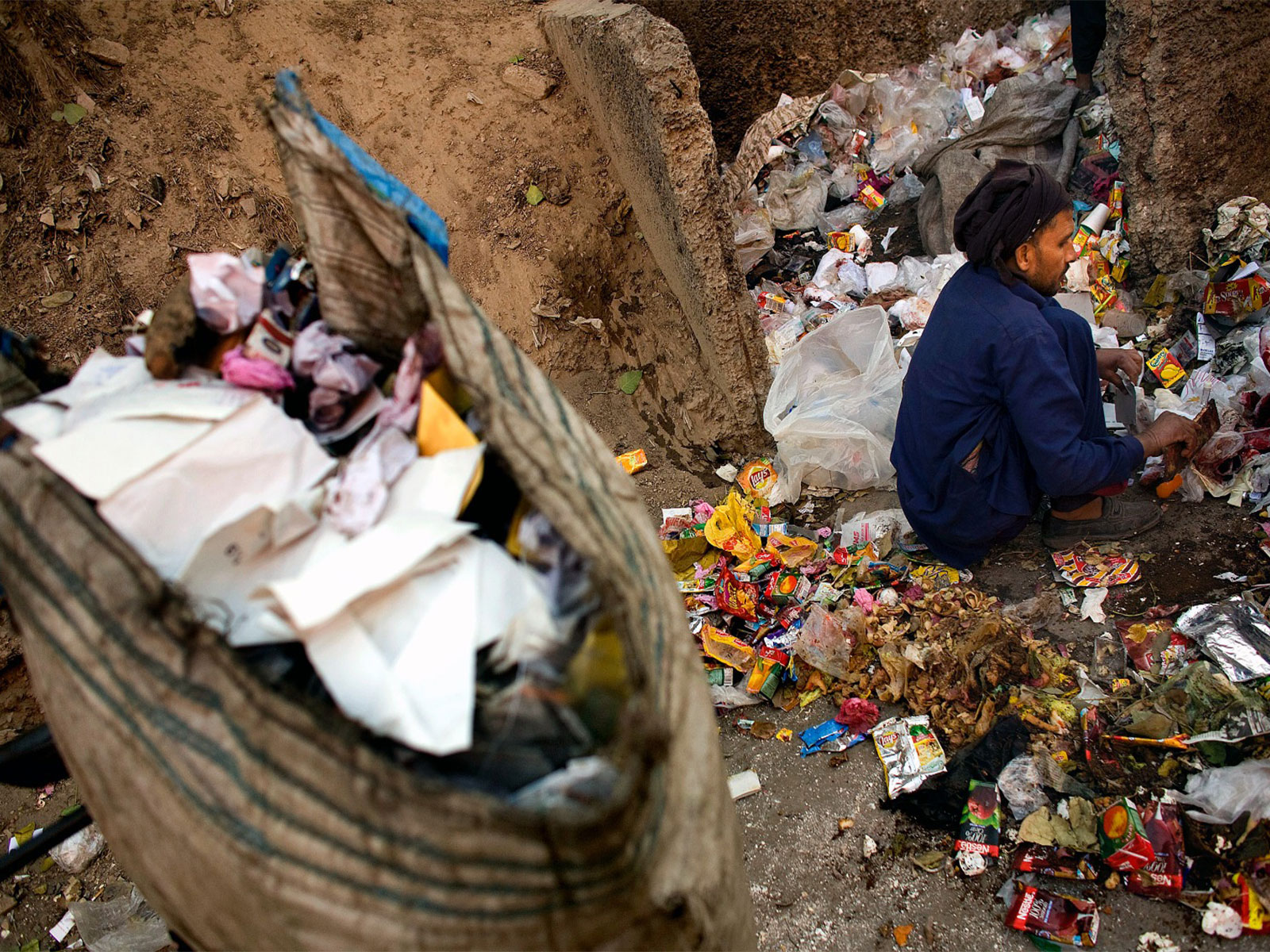
The media outlet further reported that such practices allow informal waste pickers to access discarded materials and recover recyclable plastics. Items, including saline bottles, drip sets, syringe components, and medical packaging, are allegedly sold to scrap dealers and small-scale recycling units. These materials are then cleaned, melted, and repurposed into low-cost plastic products such as buckets, cups, household containers, and toys.
Experts have raised concerns about the health implications of this recycling process. Punjab University Professor Munawar Sabir told The Express Tribune that medical plastics may retain biological contaminants, including blood residues and pharmaceutical traces. He warned that toxic substances associated with medical use and plastic additives could pose long-term risks to both workers involved in recycling and consumers using the finished products.
Public health specialists also highlighted the dangers associated with improperly discarded syringes and other sharp objects. According to The Express Tribune, the mishandling of such waste increases the risk of transmitting blood-borne diseases, including hepatitis B and hepatitis C, underscoring the urgent need for stricter enforcement of medical waste disposal regulations. (ANI)
