

From farms to digital India a story of inclusive growth
New Delhi [India], June 2 (ANI): India's development journey over the past 12 years under the leadership of Prime Minister Narendra Modi has increasingly focused on strengthening public welfare delivery and expanding access to essential services for farmers, the poor and the middle class.
From agriculture and healthcare to housing, digital payments and financial assistance, government initiatives have aimed at ensuring that development reaches people at the grassroots level.
Across villages and cities alike, the impact of welfare schemes and technology-driven governance is becoming more visible in daily life. Farmers are receiving direct financial support, poor families are gaining access to social security and healthcare, while digital services are making everyday transactions easier and faster.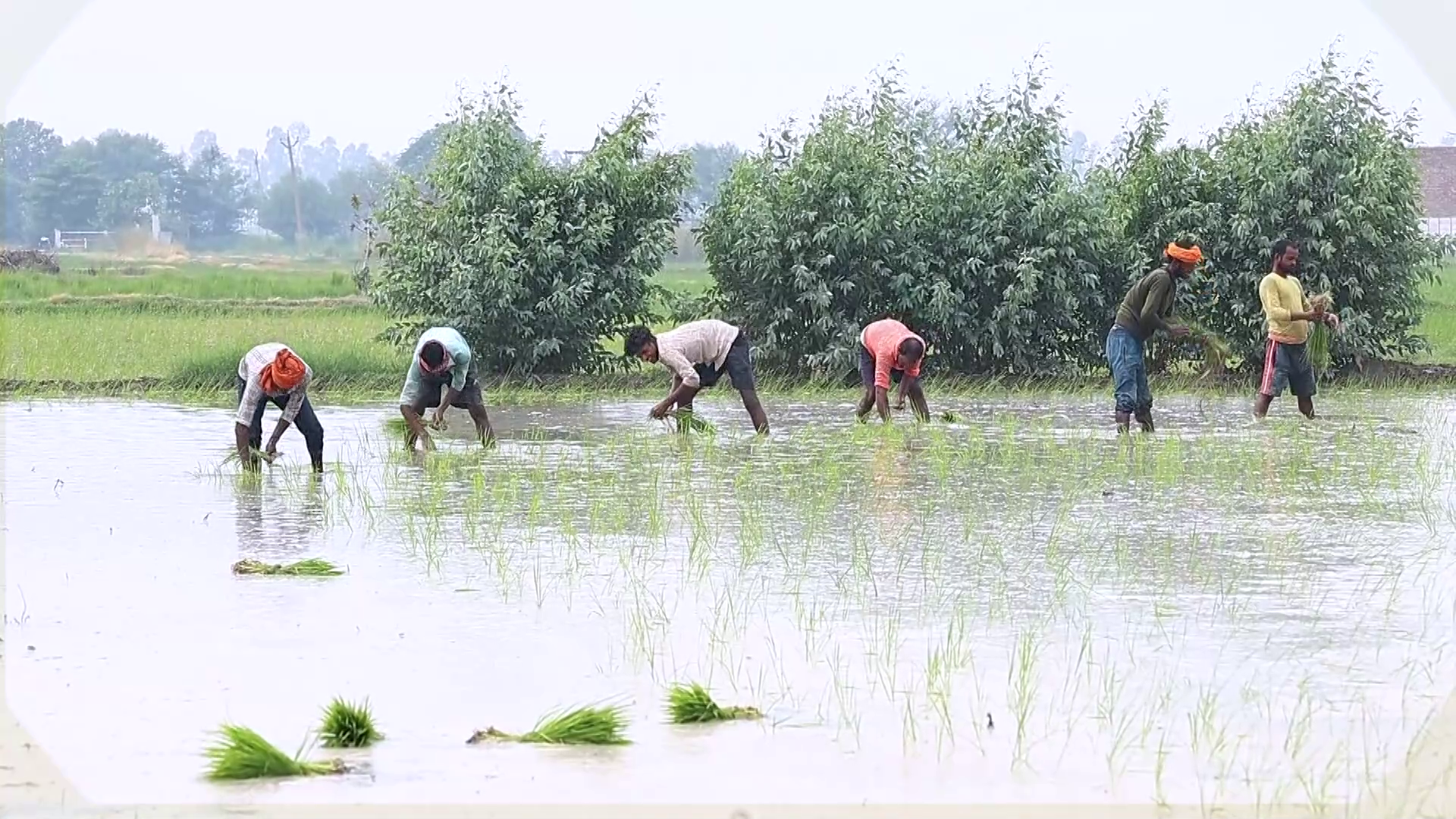
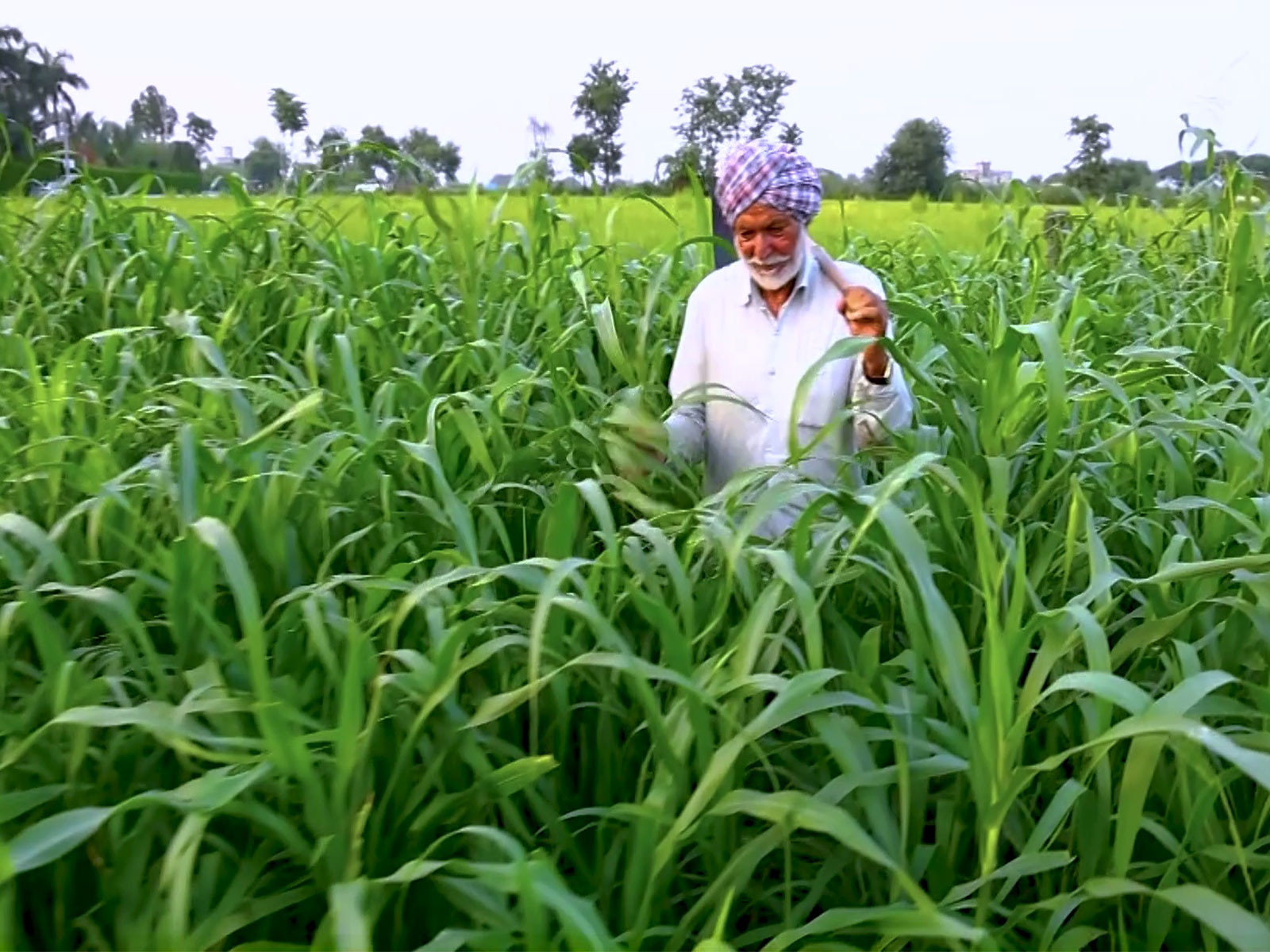
One of the biggest transformations has been witnessed in the agriculture sector. Under the Pradhan Mantri Kisan Samman Nidhi (PM-KISAN) scheme, more than 11 crore farmers have received direct financial assistance, with over ₹3.7 lakh crore transferred directly into their bank accounts. The scheme has helped farmers manage expenses related to seeds, fertilisers and irrigation.
Farmers are also receiving protection against crop losses through the Pradhan Mantri Fasal Bima Yojana. More than 78 crore farmer applications have been insured under the scheme so far, while claims worth over ₹1.83 lakh crore have been disbursed.
Alongside increasing productivity, the government has also pushed for sustainable and chemical-free farming under the National Mission on Natural Farming. More than 18,000 clusters have been created across the country, while over 20 lakh farmers have registered under the initiative.
Agriculture experts and farmers associated with natural farming say awareness around low-cost and eco-friendly farming methods is steadily increasing, especially with the help of trained "Krishi Sakhis" promoting organic fertilisers and sustainable agricultural practices.
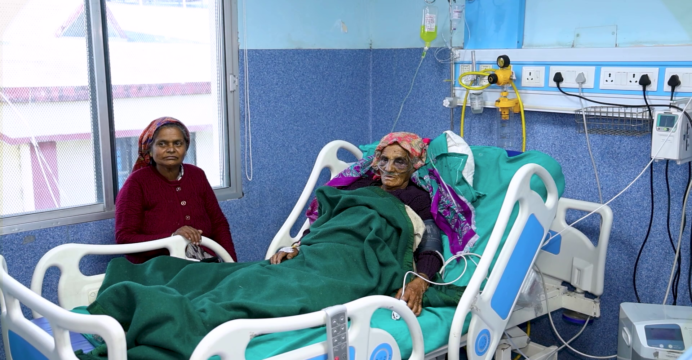
The healthcare sector has also seen major expansion over the last decade. Under the Ayushman Bharat scheme, eligible beneficiaries are entitled to free treatment coverage of up to ₹5 lakh. More than 11 crore people have reportedly benefited from the scheme so far.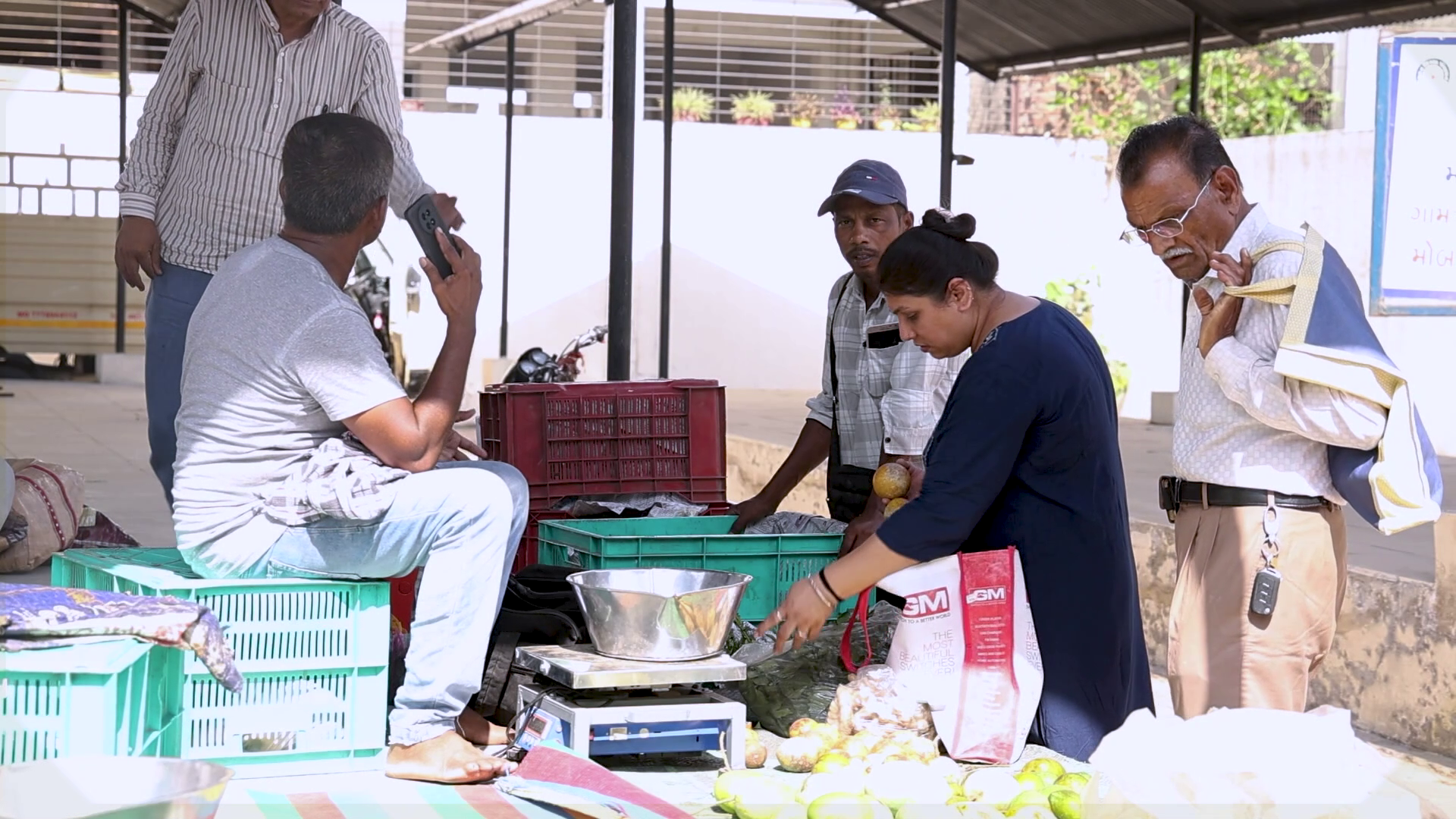
At the same time, over 16,000 Jan Aushadhi Kendras are providing affordable medicines to people across the country. The government has also expanded medical infrastructure through new AIIMS institutions and medical colleges, improving access to healthcare in remote areas.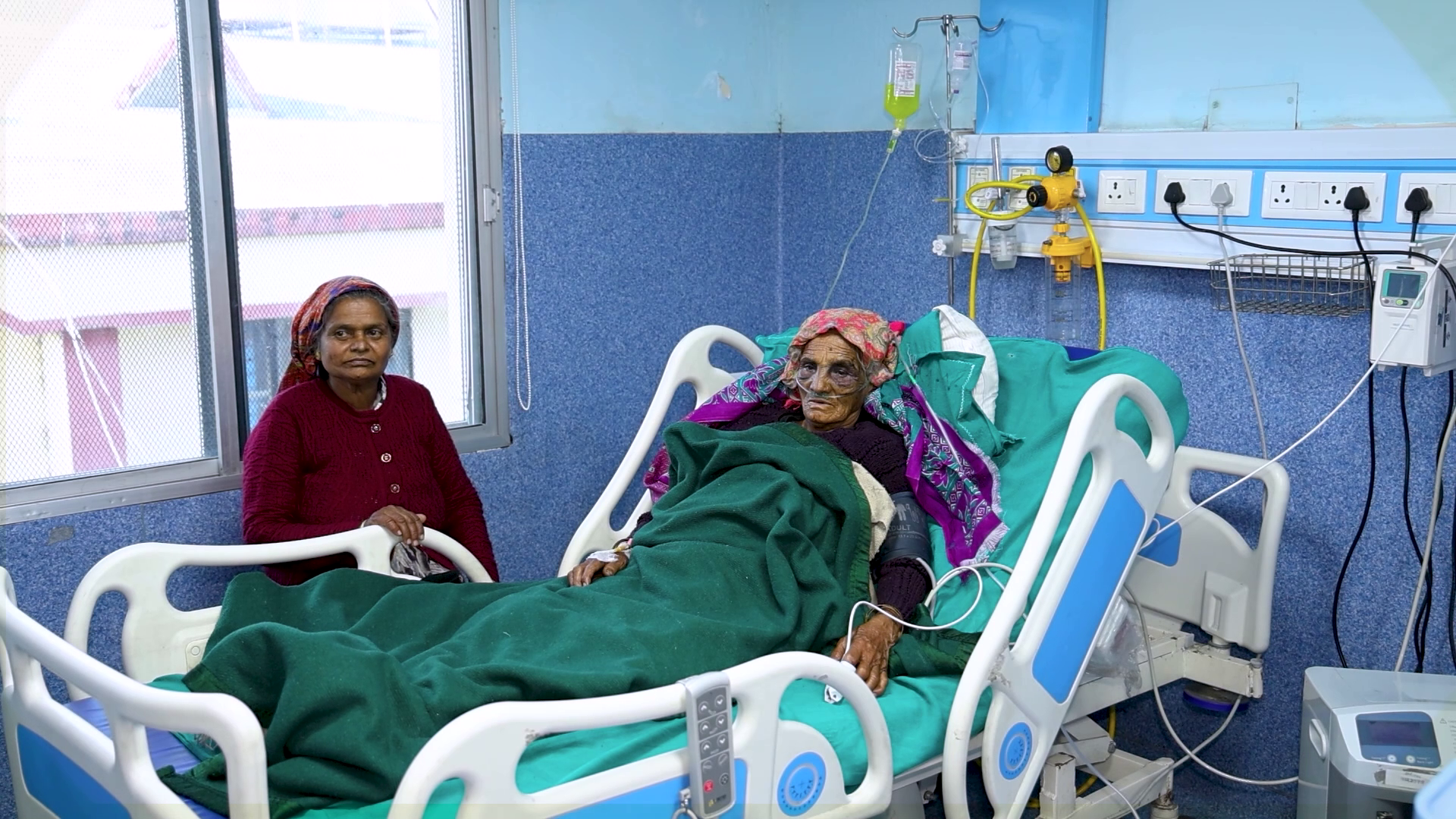
Government Medical College in Jammu and Kashmir's Anantnag is among the institutions benefiting from upgraded infrastructure and expanded healthcare services, with residents availing treatment under Ayushman Bharat.
The government's welfare outreach has also focused heavily on improving living conditions for economically weaker sections.
More than 80 crore people are receiving free food grains under welfare schemes aimed at ensuring food security. Under housing initiatives, over 4 crore families have received permanent houses, while more than 10 crore women have benefited from LPG connections under the Ujjwala Yojana, reducing dependence on traditional cooking fuels.
Meanwhile, India's middle class is also witnessing rapid changes through digital transformation and tax reforms.
Under the new tax regime, relief on income up to ₹12 lakh has been provided to salaried taxpayers. Digital connectivity has also expanded dramatically, with mobile internet costs falling sharply over the past decade.
The rise of Digital India and UPI-based payments has transformed everyday transactions, from large retail outlets to small roadside vendors. Today, India records over 14 to 15 billion digital transactions every month, reflecting the growing adoption of cashless payments across the country.
From farmers and small entrepreneurs to patients and middle-class families, the changing landscape reflects a broader push towards inclusive governance and service delivery.
Observers say the focus is no longer only on infrastructure creation, but increasingly on ensuring that welfare schemes and development initiatives directly improve the lives of ordinary citizens across the country. (ANI)
