

No room for “speculation” till final outcome reached in talks with US, says Iranian FM Abbas Araghchi
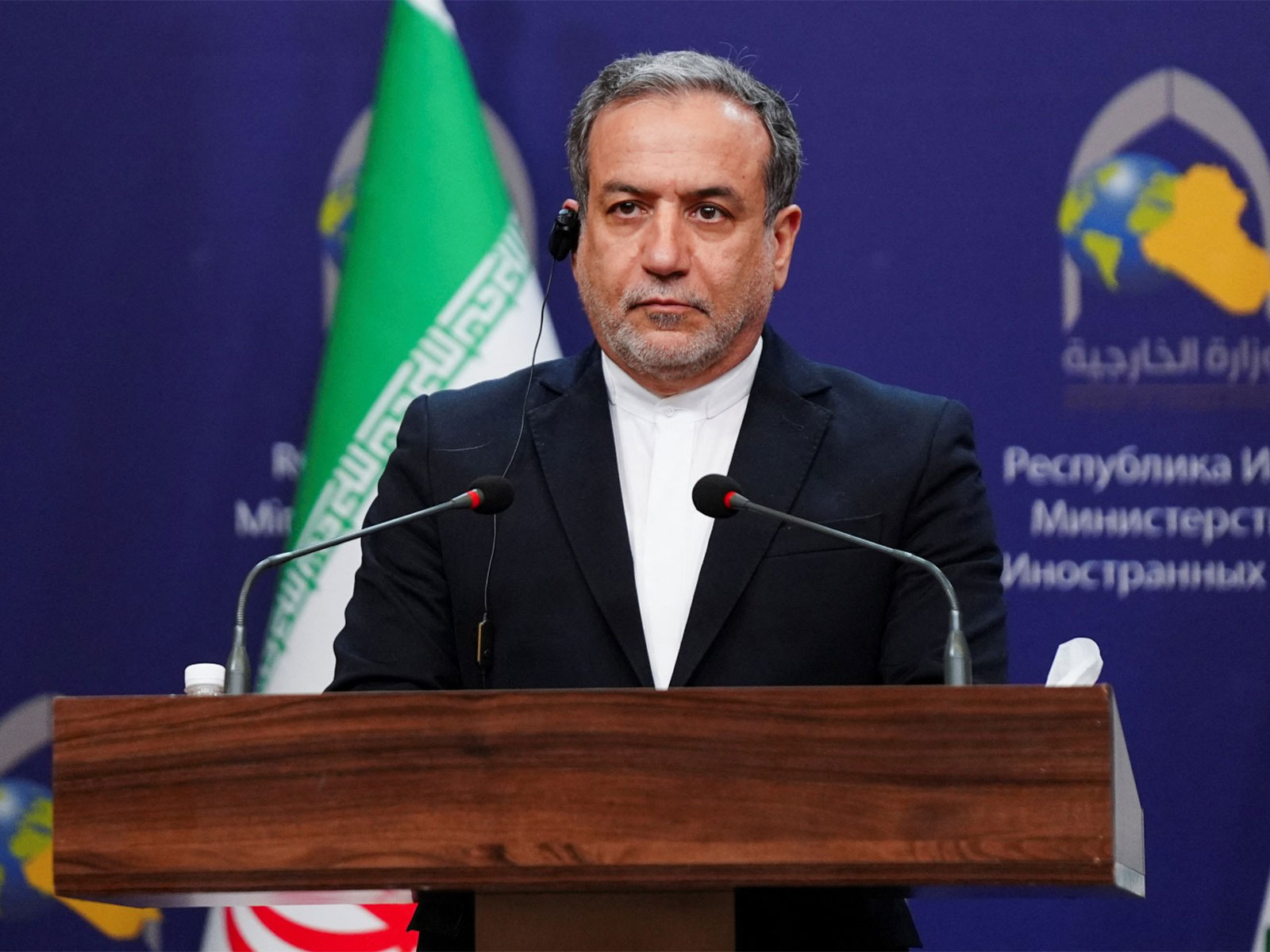
Tehran [Iran], June 1 (ANI): Iran's Foreign Minister Abbas Araghchi has revealed that "dialogue and an exchange of messages are ongoing" between Tehran and Washington despite the current deadlock in talks.
According to a report by the Iranian news agency IRNA, Araghchi stated that "it is not possible to judge until a clear conclusion is reached; everything that is being said now is speculation and should not be taken seriously until it is certain."
These back-channel communications persist even as political hurdles mount in Washington. Merely seven days after characterising a potential accord with Tehran as "largely finalised," US President Donald Trump has reportedly sent the pact back for modifications. This move has dragged out the talks and injected fresh ambiguity into initiatives aimed at halting the conflict.
The push for adjustments underlines growing friction over the terms. According to a report by CNN, Trump demanded more stringent conditions regarding Iran's nuclear obligations and the unblocking of the Strait of Hormuz during a briefing with his counsellors.
Furthermore, he voiced apprehensions regarding the scale of economic assistance that Tehran might receive under a potential pact. Reports indicate he is aiming to avoid parallels with the Obama administration's nuclear accord, which he has routinely denounced as overly generous.
This sudden hesitation marks a sharp turn in the timeline of the negotiations. The recent push for alterations follows a week after Trump noted that the accord was "largely finalised" while hinting that a cessation of hostilities was close at hand.
Prior to this setback, optimism had been growing. In the days since his initial remarks, American authorities have pointed to advancements towards a pact designed to freeze the conflict, unblock the vital maritime corridor, and pave the way for more comprehensive discussions regarding Iran's nuclear infrastructure.
However, the momentum stalled during a crucial White House meeting. Despite Trump declaring his intention to reach a "final determination" during the Friday briefing and sketching out several prerequisites on social media, the two-hour assembly wrapped up without a verdict.
Public statements from both sides have highlighted deep disagreements on key issues. In his online post, Trump asserted that Washington would confiscate Iran's reserve of highly enriched uranium and obliterate it. Conversely, Tehran has repeatedly maintained that it is not deliberating on the specifics of its nuclear infrastructure under the present dialogue.
Financial matters also remain a critical sticking point. Trump further specified that there had been no deliberations regarding a financial exchange as an element of the pact, whereas Tehran has insisted that economic stipulations must form part of any potential accord.
With both sides firmly dug in, the path to reconciling these contrasting positions remains ambiguous as discussions persist over the precise phrasing of the document.
Trump's insistence on tougher terms has been echoed across multiple reports. Separately, Axios had earlier detailed that Trump was seeking modifications to the draft accord, demanding more assertive phrasing regarding the unblocking of Hormuz in the pact with Tehran.
The political rhetoric has also intensified within Iran. Iranian Parliament Speaker Mohammad Bagher Ghalibaf declared on Sunday that no pact with Washington would receive legislative backing until Tehran's "rights" are guaranteed, as reported by the semi-official Tasnim news agency.
Emphasising a deep-seated scepticism towards American diplomacy, the Iranian news agency quoted Ghalibaf as saying, "The soldiers of the diplomatic battlefield have no trust in the words and promises of the enemy. What matters to us are tangible achievements that we must obtain, in exchange for which we will fulfil our commitments."
Scepticism regarding the viability of the deal is not confined to Tehran. Weighing in on the development, Democratic Senator Chris Coons, a member of the Senate Foreign Relations Committee, remarked that the conditions presented by Trump seem reasonable on paper but could prove highly challenging to execute, especially concerning the Strait of Hormuz. (ANI)
