


More countries turning to solar amid high fossil fuel prices, supply uncertainty: DG, International Solar Alliance
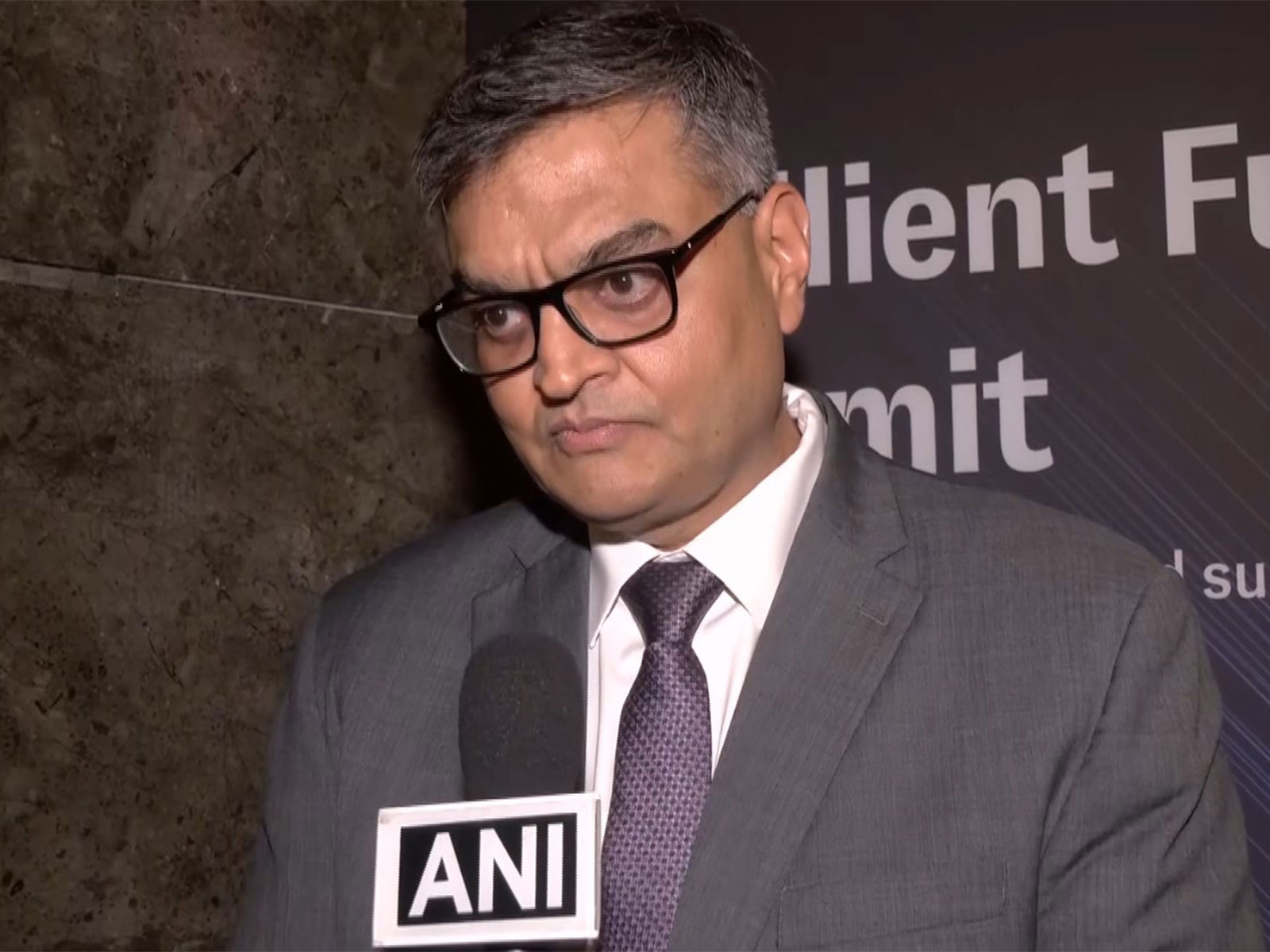
New Delhi [India], April 29 (ANI): More countries are increasingly shifting towards solar energy and joining the International Solar Alliance amid rising fossil fuel prices and supply disruptions, said Ashish Khanna, Director General, International Solar Alliance.
In an exclusive conversation with ANI, Khanna said that in just the last month, countries like Canada, the Republic of South Korea and Jordan have joined the alliance, driven by economic and energy security considerations.
"You know, just in last one month, Canada, the Republic of South Korea and Jordan are joining. Why are they joining? They're joining because doing solar made a lot of sense just for the climate. Then it made a lot of sense being lowest cost, affordable energy for countries. And now, when the world has to import fossil fuels at double the price, even not knowing where the LPG will come, it has a huge fiscal shock, all three are pointing to do a lot more electrification of their countries and using solar," he said.
He highlighted that global solar installations have been rising steadily, noting that solar deployment, which was around 500 gigawatts annually, has now reached 600 gigawatts, and is expected to grow further as countries accelerate adoption.
Khanna said the ongoing global energy disruptions are pushing nations to rethink their energy strategies and move towards renewable sources.
"If you are today dependent on LPG or diesel, the price is already double, and then you are not even sure you're going to get it. But nobody takes the Sun away from you," he said.
He stressed that countries need to focus on electrification to reduce vulnerability to such shocks. In India, he noted that out of 100 units of primary energy, only 21 per cent is electricity, while 40 per cent is used in transport and another 40 per cent in households and industries relying largely on fossil fuels.
He said India needs policy support to accelerate the electrification of transport through EVs, as well as industries and households, with solar energy playing a key role.
Khanna also pointed out that India already has strong solar capacity, mentioning that during a recent peak, nearly 60 gigawatts of power came from solar. However, he said demand needs to be better managed through improved digitisation of distribution systems to absorb more renewable energy.
On supply chains, he said countries need to collaborate to reduce dependence and improve manufacturing capabilities. He highlighted that while countries like Germany and Japan have advanced research capabilities, India has strong talent and market potential.
He added that India should focus on emerging technologies such as Perovskite, sodium-ion batteries and solid-state batteries to strengthen future supply chains. (ANI)
