

Terrorism epicentres no longer immune to “justifiable punishment”: Rajnath Singh at SCO Defence Ministers’ Meeting
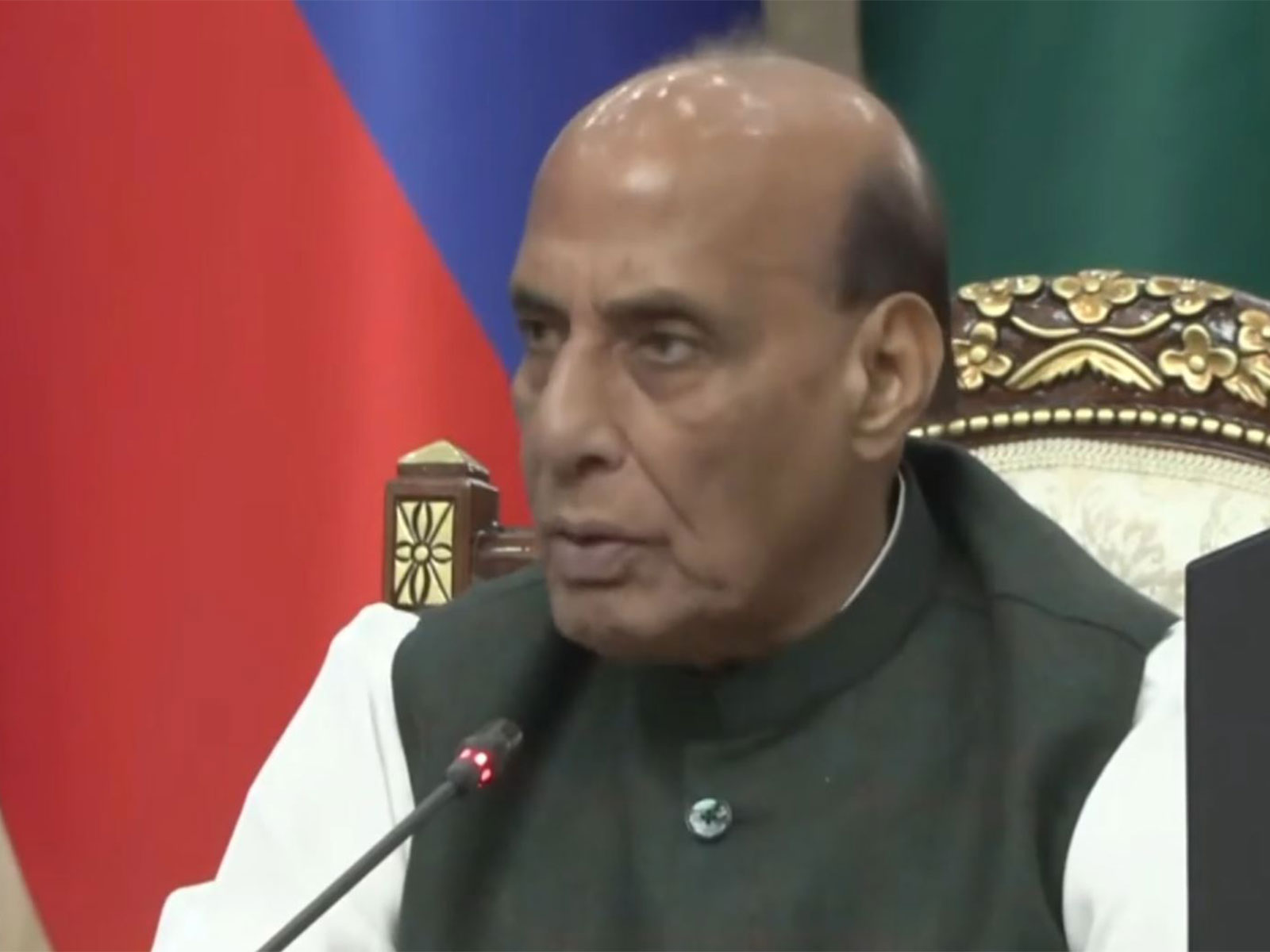
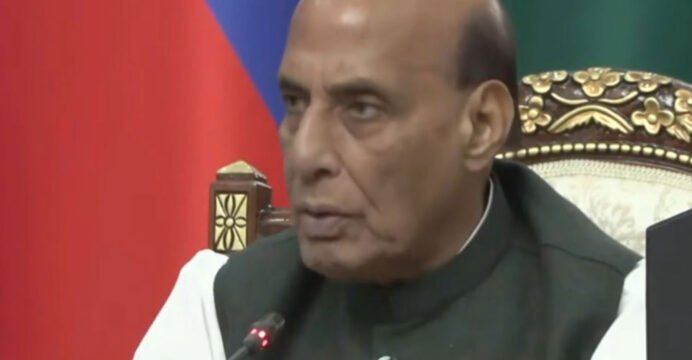
Bishkek [Kyrgyzstan], April 28 (ANI): Defence Minister Rajnath Singh on Tuesday issued a stern warning against terrorism, asserting that the epicentres of terror are no longer immune to "justifiable punishment."
Addressing the Shanghai Cooperation Organisation (SCO) Defence Ministers' Meeting in the Kyrgyz capital, Singh recalled the recent anniversary of the deadly terror strike in Jammu and Kashmir.
"A few days ago, on April 22, we paid tributes to the victims of the Pahalgam terror attack. This incident shook not just a region but entire humanity," the Defence Minister said, highlighting the global impact of such violence.
Connecting the incident to India's military response, Singh noted the shift in the country's strategic approach toward cross-border threats.
"During Operation Sindoor, we demonstrated our firm resolve that terrorism epicentres are no longer immune to justifiable punishment," he stated, underlining India's commitment to decisive action against those who harbour and orchestrate terror.
The Minister's remarks mark one year since the deadly terror attack in Pahalgam that claimed 26 lives. On April 22, 2025, the nation was left shocked when terrorists struck the tourist town of Pahalgam in Jammu and Kashmir, entering a village and killing 26 civilians.
Known as a tourist spot with scenic beauty, Pahalgam was rendered in blood as Pakistan-backed terrorists killed several innocent people. In the cross-border communal attack, the assailants reportedly questioned the victims about their religion before killing them, leaving families grappling with loss even a year later.
As India mourned the loss, what followed was decisive action by the Indian armed forces in the form of Operation Sindoor. Indian armed forces struck terror bases in Pakistan and Pakistan-occupied Jammu and Kashmir (PoJK).
In the aftermath of the attack, India launched 'Operation Sindoor' on May 7, 2025, targeting terror infrastructure across Pakistan and PoJK. According to official details, Indian armed forces destroyed nine major terror launchpads linked to Lashkar-e-Taiba, Jaish-e-Mohammed and Hizbul Mujahideen, and eliminated over 100 terrorists during the operation.
What followed were drone attacks and shelling by Pakistan, which led to a four-day conflict between the two neighbouring countries. India showed formidable defence and conducted retaliatory strikes, destroying Radar installations in Lahore and Radar facilities near Gurjanwala.
Inflicted by heavy damage, Pakistan's Director General of Military Operations (DGMO) called the Indian DGMO and a ceasefire was agreed on May 10. Furthermore, Operation Mahadev was another big joint success of the Army and security forces last year, as they tracked down and eliminated three terrorists involved in the Pahalgam terror attack.
Among non-military actions following the tragedy, India terminated the Indus Waters Treaty and all bilateral trade with Pakistan. (ANI)
