

India’s farming moves beyond tradition to smart agriculture
Hapur (Uttar Pradesh) [India], April 27 (ANI): Farming in India is no longer limited to traditional practices. Today's farmers are embracing innovation, technology, and smart techniques to transform agriculture into a profitable and sustainable business. From poly houses to organic composting, a new wave of change is redefining how farming is perceived, turning soil into a source of both income and opportunity.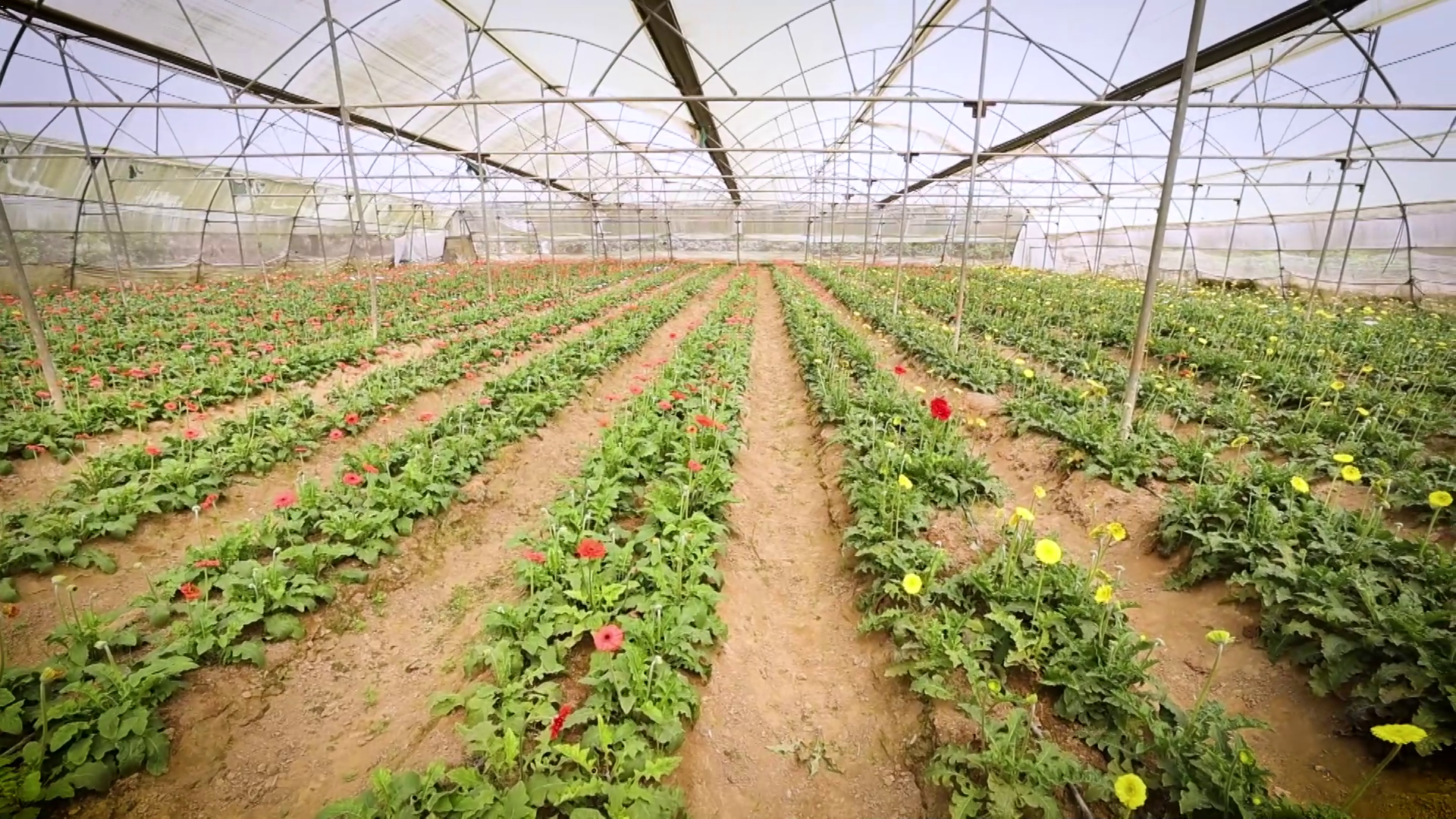
In Hapur's Tigri village, this transformation is clearly visible. Vast stretches of land are now covered with modern polyhouses, where flowers are cultivated in controlled environments.
What was once traditional farmland has evolved into a high-tech agricultural setup, where temperature, humidity, and growth conditions are carefully managed to ensure quality produce.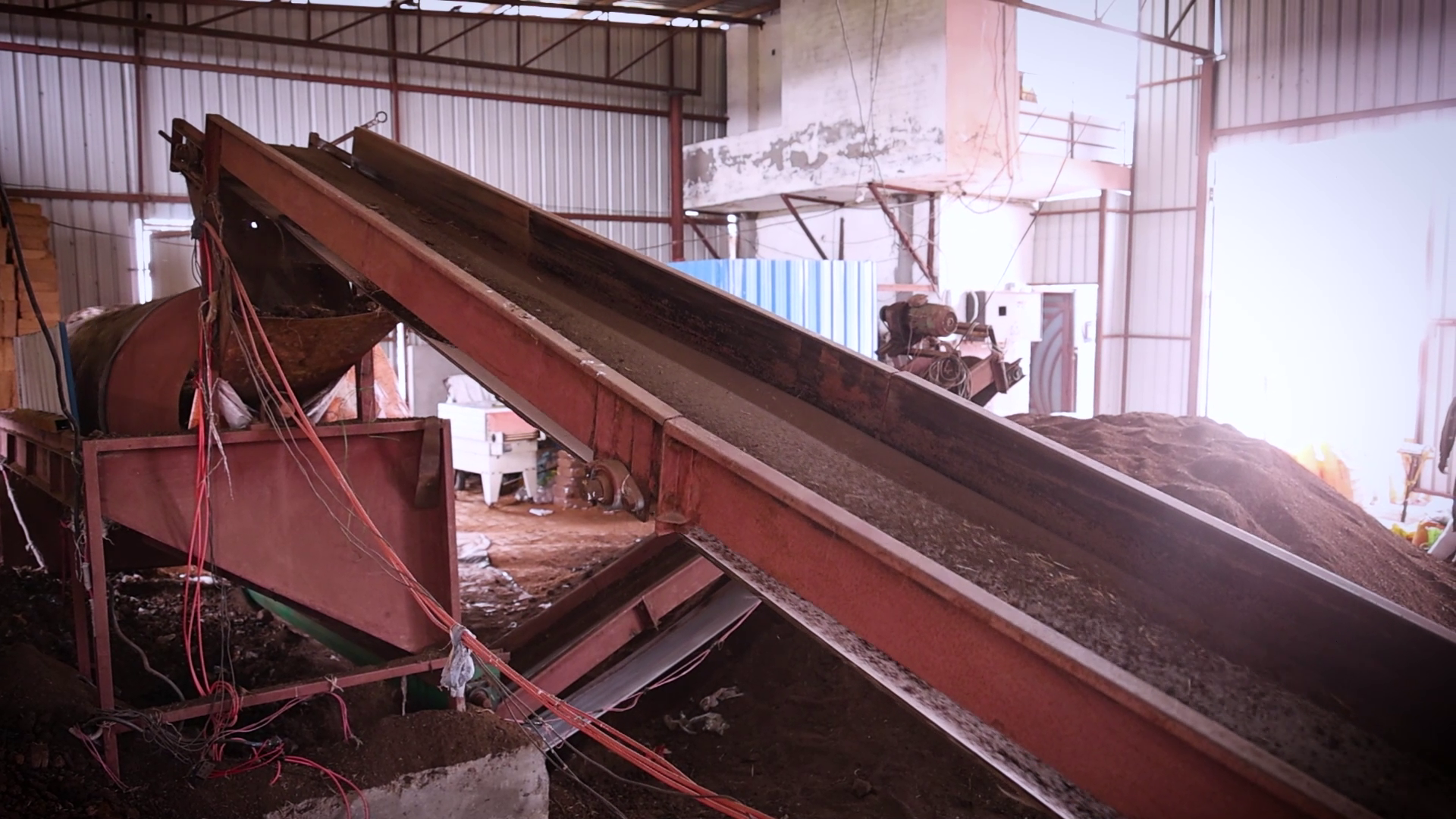
Sardhanand Pradhan, a progressive farmer from the village, has emerged as a leading example of this shift. Starting his journey in 2000 with just a 500-square-meter polyhouse, he has expanded his operations to 14 acres equipped with advanced infrastructure.
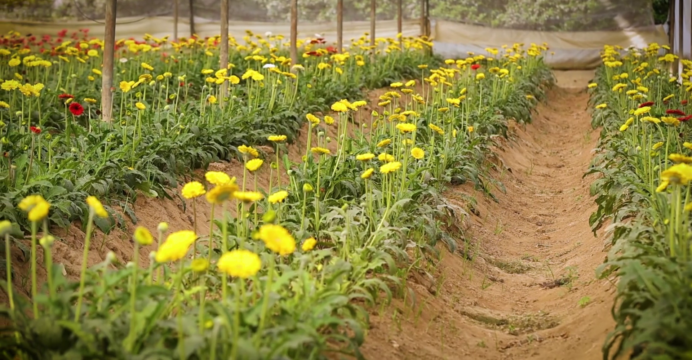
Today, he cultivates flowers like roses, gerberas, and lilies, supplying them across the country.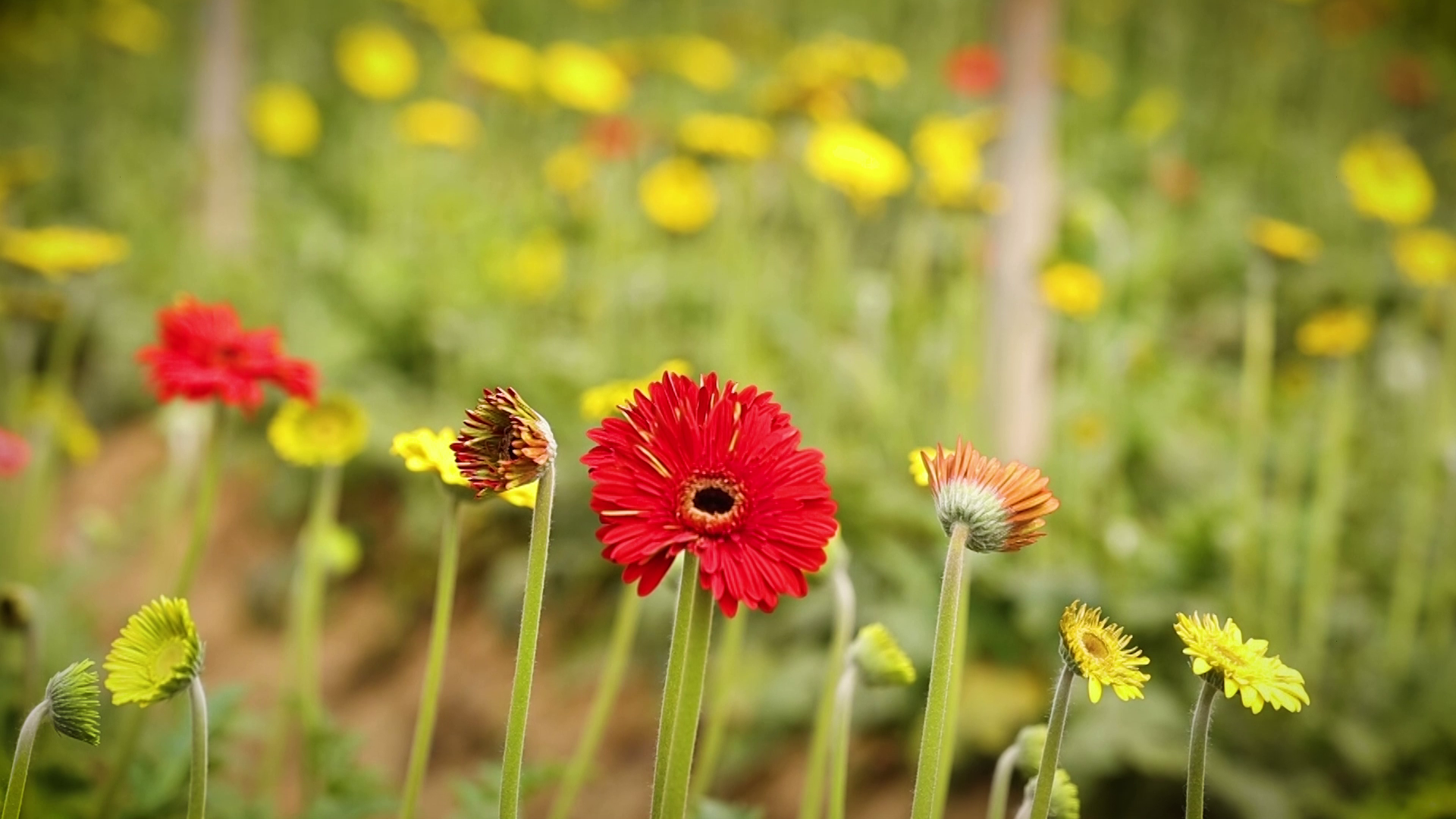
Explaining the importance of modern techniques, Pradhan said, "Without the poly sheet, it is not possible to achieve such high-quality flowers. Proper maintenance is essential. We also cover the buds with caps, and the more the petals develop, the better price they fetch in the market. Compared to traditional open-field farming, this method gives us nearly ten times more profit."
Farmers like Pradhan are increasingly adopting drip irrigation, weather monitoring systems, and smart farm management practices. These advancements have made agriculture not only more productive but also more predictable and efficient.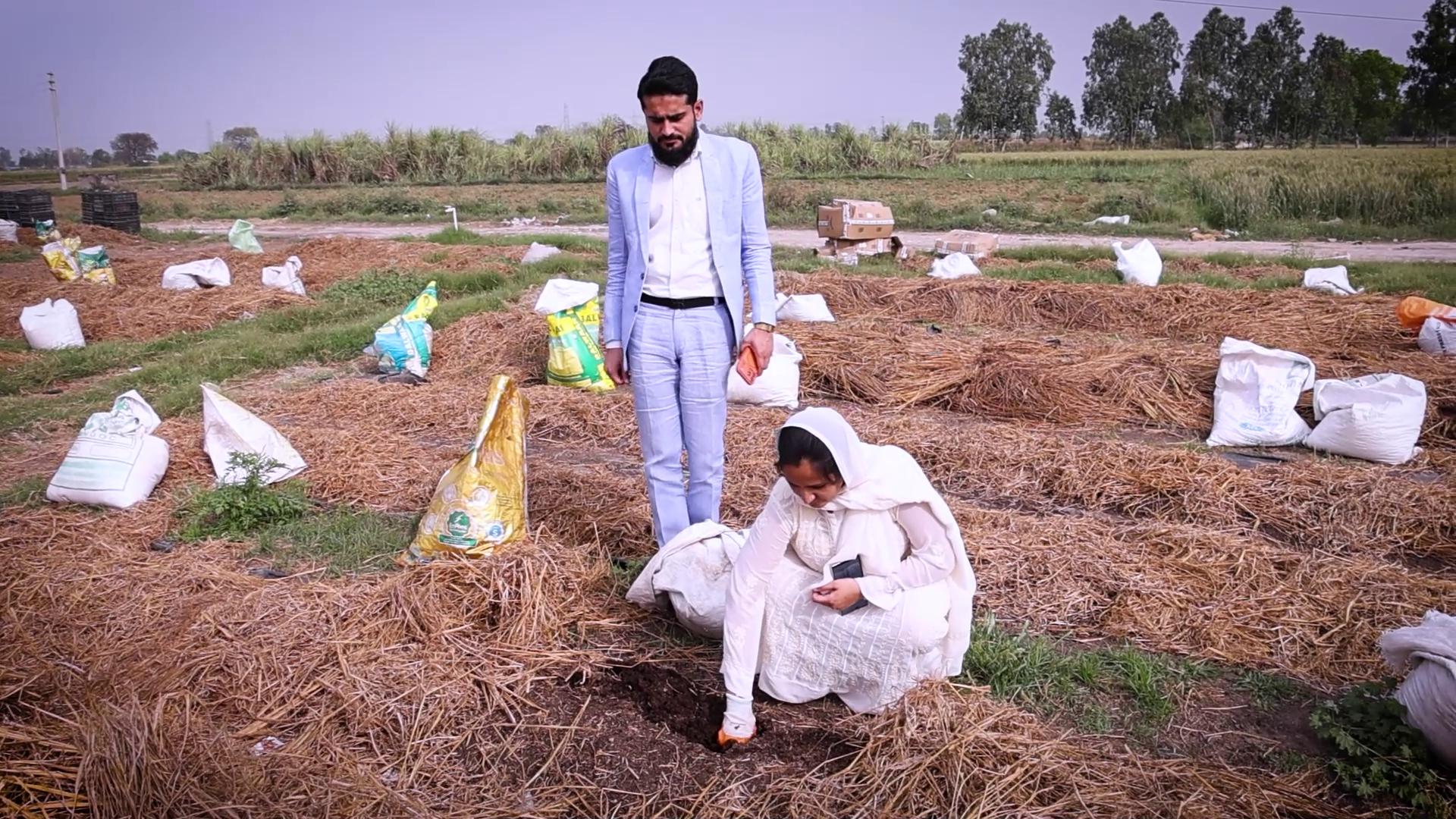
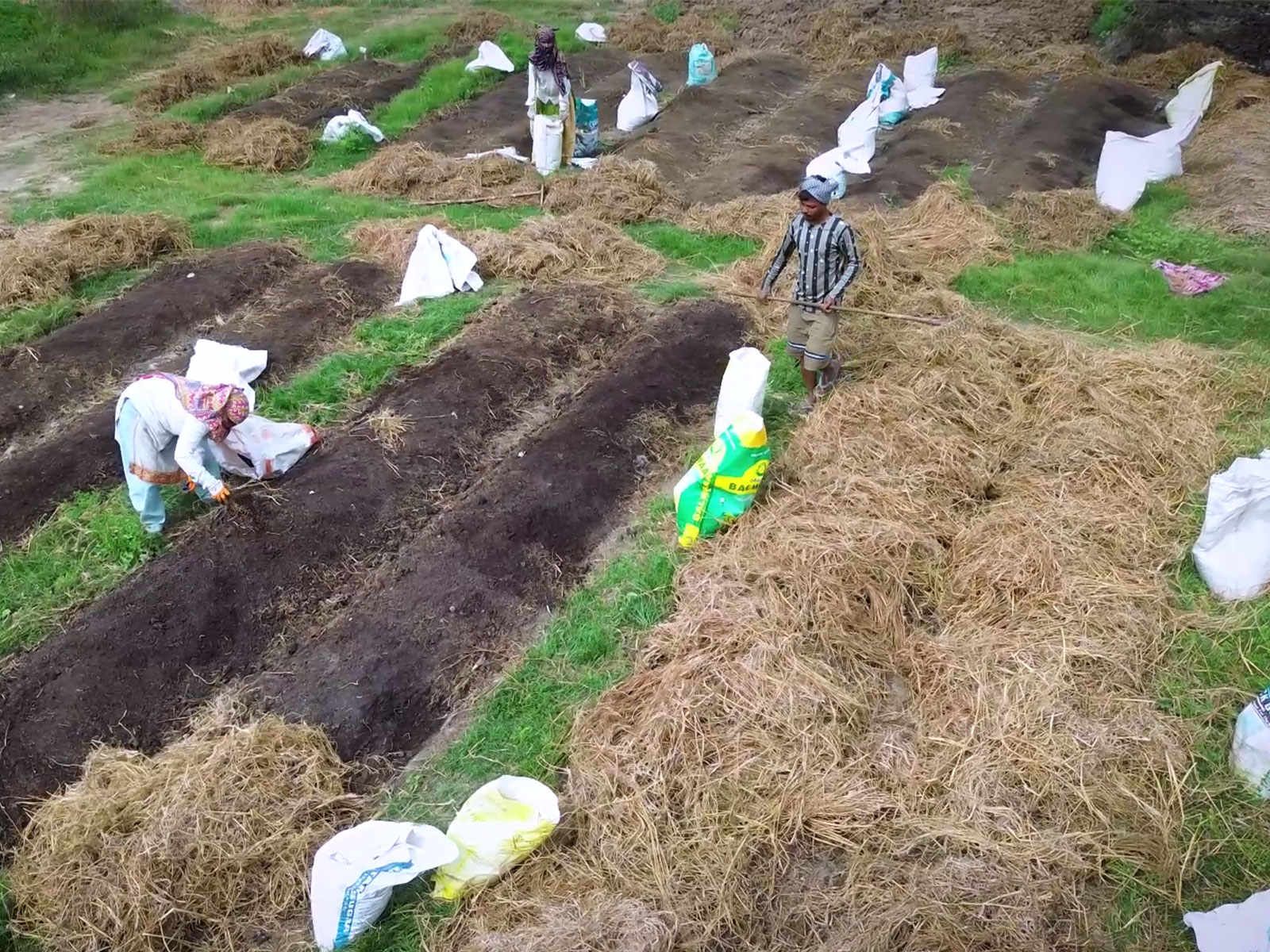
At the same time, a growing number of young entrepreneurs are entering allied agricultural sectors, contributing to this transformation. One such example is Sana Khan, an engineer who ventured into vermicomposting after being inspired during a college project.
She started her business in 2014, and today her company produces nearly 400 tonnes of organic compost every month. Beyond business, she is also working to promote sustainable farming practices through workshops and training programs in collaboration with over 100 schools.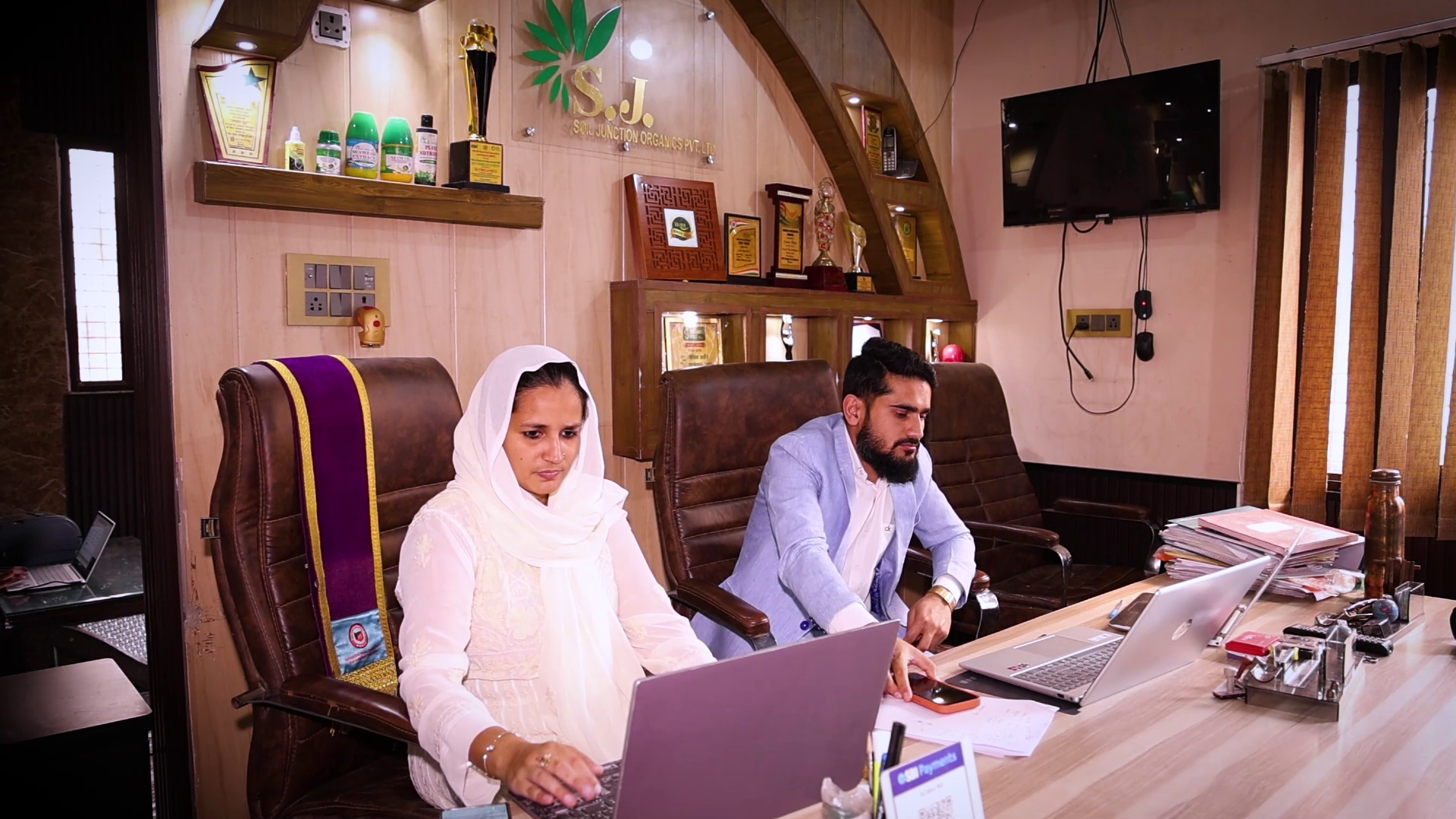
Talking about her customer base, Sana Khan said, "Our end customers mainly include farmers, retail seed store operators, and urban gardeners. After COVID, many people started growing vegetables on their rooftops and terraces, and they have now become our major customers. We also have a large number of potato farmers who use our compost extensively."
The rising demand for organic and chemical-free farming solutions has further boosted such ventures. Increasing awareness about health, better pricing, and sustainability has made organic inputs like vermicompost a viable and profitable option.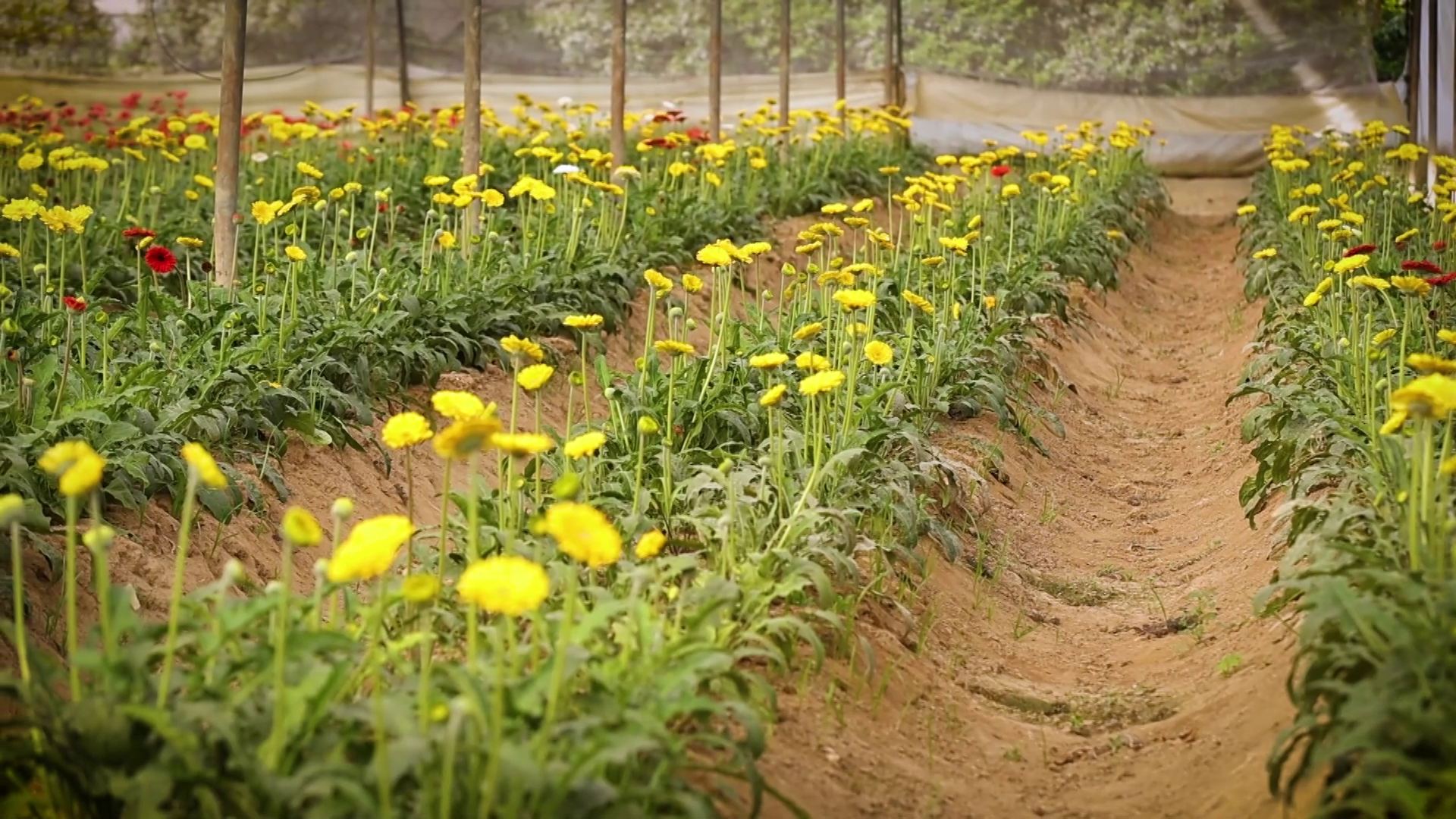
This evolving landscape highlights a larger shift: farms are no longer just places for growing crops. They are becoming hubs of innovation, entrepreneurship, and employment generation.
With progressive farmers and young entrepreneurs working together, India's agricultural sector is steadily moving towards a future that is not only self-reliant but also future-ready. (ANI)
