

Trump’s 100% tariff on patented drugs has limited impact on Indian pharma, rising protectionism a concern: Biocon CEO
By Nikhil Dedha
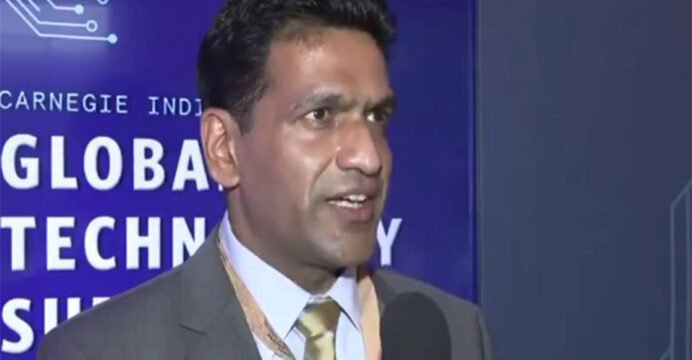
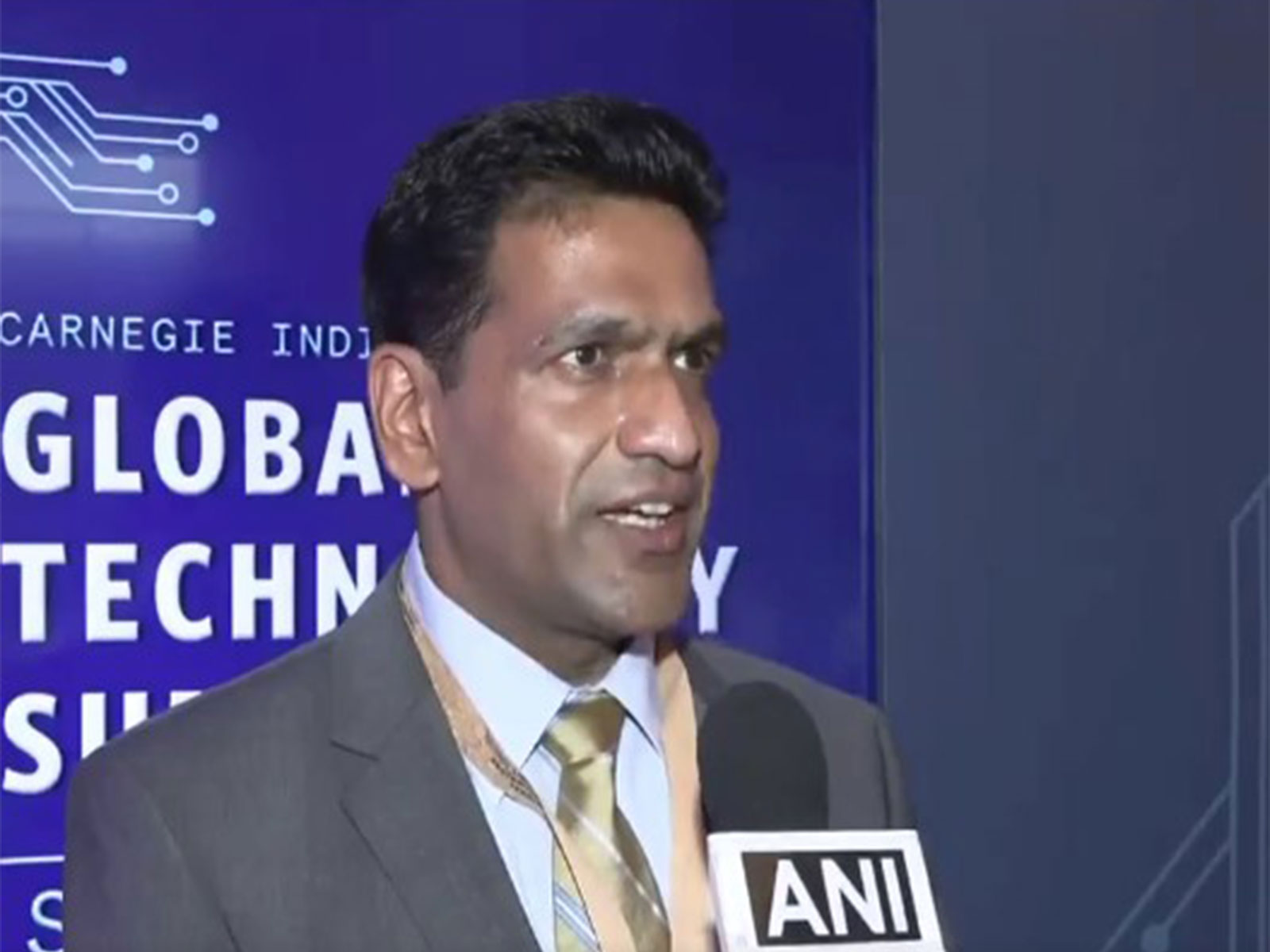
New Delhi [India], April 3 (ANI): The recent decision by US President Donald Trump to impose a 100 per cent tariff on patented pharmaceutical imports to US is unlikely to cause immediate disruption to Indian drugmakers, as the move largely targets branded medicines while exempting generics and biosimilars, said Siddharth Mittal, CEO and Managing Director of Biocon Limited.
In an exclusive interaction with ANI, Mittal said the tariff action is aimed at boosting domestic manufacturing in the United States but does not significantly impact Indian players in the near term.
"The recent tariff action by President Trump is clearly aimed at incentivising domestic manufacturing in the US. However, the current framework is targeted at branded and patented drugs, with generics and biosimilars largely exempt, which limits any immediate disruption for Indian players like Biocon," he said.
Mittal added that the exclusion of generics provides a cushion for India's pharmaceutical exports, particularly to the US, where Indian companies have a strong presence.
"In the near term, the exclusion of generics offers a buffer, ensuring continuity in exports of low-cost medicines that form the backbone of India's pharmaceutical trade with the US," he said, noting that Indian drugmakers command a significant share in the US generics market.
However, he cautioned that the move signals rising protectionism in global trade, which could impact the industry in the longer term.
"That said, the move does introduce a layer of policy uncertainty. While the direct impact is contained for now, the broader signal is one of increasing protectionism, which industry will be closely watching," Mittal said.
The United States has recently announced sweeping trade measures targeting patented pharmaceutical imports and metals, with a 100 per cent tariff applicable to patented drug imports from countries, including India.
Mittal also highlighted that the pharmaceutical sector continues to face challenges from rising logistics and supply chain costs amid ongoing geopolitical tensions.
"We have seen a rise in logistics and supply chain costs due to disruptions in key shipping routes. Insurance costs have also risen, and longer transit times are becoming the norm," he said.
He further pointed out that the ongoing conflict in West Asia remains a key concern for the industry, even though pharmaceuticals are considered an essential sector.
"While pharmaceuticals are relatively resilient, any prolonged instability in the region impacts energy prices, shipping routes, and overall trade flows, which in turn affects input costs and delivery timelines," he added.
Sharing the outlook for the upcoming financial year, Mittal said, "Looking ahead to FY27, we remain cautiously optimistic. Demand fundamentals for pharmaceuticals--especially generics, biosimilars, and speciality therapies--remain strong globally," he said.
He added that India will continue to play a critical role in supplying cost-effective medicines worldwide, though future growth will depend on evolving global trade policies and the industry's ability to manage cost pressures and diversify supply chains. (ANI)
