

Exploration delays, slow licensing holding back India’s gold potential, says former GJC chairman
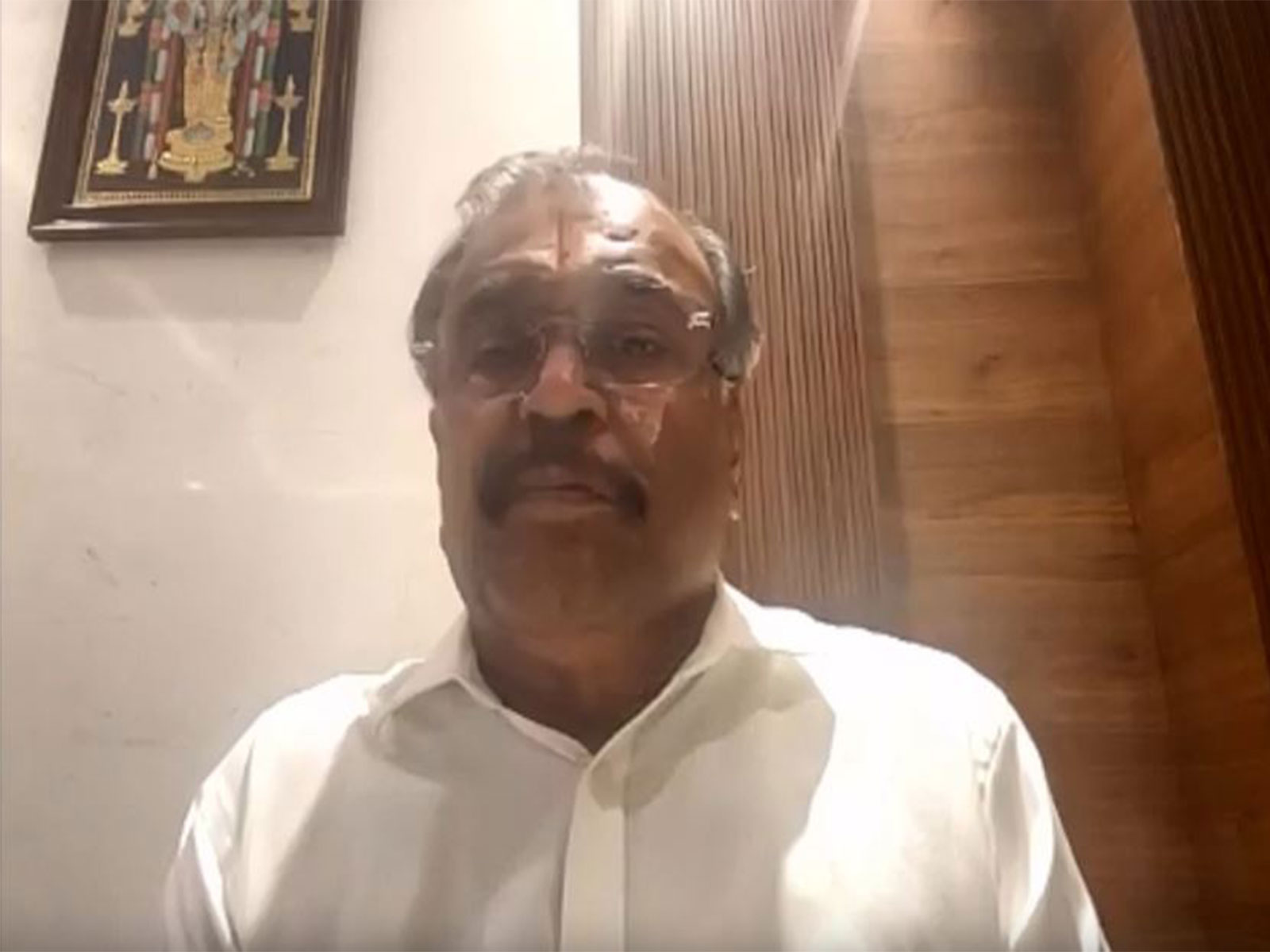
New Delhi [India], February 23 (ANI): Delays in gold exploration and mining licensing are holding back India's production potential and keeping the country dependent on imports, and the country could produce 50-100 tonnes annually if exploration is accelerated and licences are issued more widely, Anantha Padmanaban, founder member and former chairman of the All India Gem & Jewellery Domestic Council (GJC) told ANI on Monday.
In an online interview, Padmanaban said India has significant untapped gold potential but exploration has not progressed. "Mining, we have a lot of potential, but our mining exploration is not happening. Government has been very slow," he said.
He said that India can supply 50-100 tonnes to the market or they can send it to the Reserve Bank also. "Our reserves can go up. We don't need to buy from outside. We will be saving our foreign exchange," he added.
He said deposits have been identified in states such as Madhya Pradesh and Jharkhand, but licences have not been issued widely.
"People say a lot of deposits in Madhya Pradesh, Jharkhand and all these places, they are identifying, but exploration is not happening. First, they need to start mining. Government has to come forward and issue the licenses across the board, even to the foreign players. Only then the big players will participate and a lot of gold can be extracted," he said.
Padmanaban's remarks follow Finance Minister Nirmala Sitharaman's statement that gold remains within "certain limits." He said the comment refers to the value of imports rather than quantity.
"Last year, whatever it was, the quantity has reduced this year. So they are not worried about the quantity, they are more worried about the amount," he said, adding that the government's concern is that "there shouldn't be any strain to the country."
He said imports in the financial year ending March are expected to be down by 30-35% compared with last year due to higher overseas prices and weak domestic demand.
Padmanaban said that if the government were not comfortable with import levels, it could impose restrictions similar to those introduced in 2013. "If they bring in some restriction like that... it becomes very difficult. Then we cannot do business and grey market will pick up," he said, adding that the current approach has prevented such inflows.
Domestic gold prices are around 16,300 rupees per gram for 24 carat gold as of now, he said, and could fluctuate between 14,000 rupees and 18,000 rupees in the coming months.
"It can go up by another 10-12% or it can come below 10% to 15%," he said. A fall of up to 20% could occur if Russia and Ukraine sign a peace agreement, he added, but said such a scenario appears unlikely at present.
He said geopolitical uncertainties are driving volatility. "As long as we have our friend Trump making unusual decisions every day morning, that is the reason gold is going up and down," he said. Overall, the market is expected to be upside in the months to come if no major global turmoil occurs.
On tensions in the neighbourhood, he said developments between Pakistan and Afghanistan would not have a major impact on gold prices. He also said free trade agreements do not significantly affect gold imports, noting that customs duties still apply to gold bars.
Demand has been slow in March due to tax payments and year-end account closures, he said, but is expected to improve from April with the start of the wedding season and Akshaya Tritiya. (ANI)
